An ICE agent stands alongside a long line of travelers waiting to pass through a TSA Checkpoint at the Philadelphia International Airport on March 28, 2026 in Philadelphia, Pennsylvania. (Photo by Matthew Hatcher/Getty Images)
The Department of Homeland Security unit increased its annual target of arrests of individuals with criminal history or pending charges after more than doubling its 2025 goal.
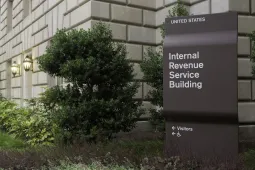
Signed by 115 lawmakers, the filing makes the case that the IRS-ICE pact “improperly challenges” Congress’s power to protect taxpayer information and will deprive the federal government…
Former agency staffers and experts believe the independent financial regulators’ MOU won’t “shake everything up,” but data and technology callouts bear watching.
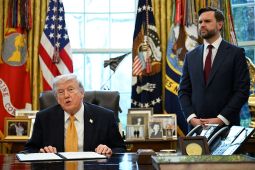
President Donald Trump speaks before signing an executive order on fraud in the Oval Office at the White House in Washington, D.C., on March 16, 2026, as Vice President JD Vance looks on. (Photo by ANNABELLE GORDON / AFP via Getty Images)
The president’s executive order creates a task force to combat fraud and promote more data-sharing between federal agencies and state, local, tribal and territorial governments.
The watchdog also encouraged the SBA to address inefficiencies in the Disaster Loan Program by pursuing a new legal authority to secure taxpayer consent for applications.
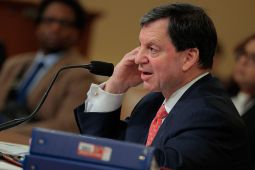
IRS CEO Frank Bisignano testifies before the House Ways and Means Committee in the Longworth House Office Building on Capitol Hill on March 4, 2026 in Washington, D.C. (Photo by Chip Somodevilla/Getty Images)
Democratic lawmakers pressed Frank Bisignano on the IRS-ICE data-sharing agreement. The CEO said the tax agency is prioritizing risk management and touted its AI work.
The D.C. Circuit Court of Appeals said immigrants’ rights groups were unlikely to succeed on claims that the data-sharing pact violated tax code or circumvented agency rule-making.
The report comes just days after President Trump signed a law permanently authorizing the SSA to share its death data with Treasury’s Do Not Pay system.