Advertisement

Meet the 2026 FedScoop 50 winners

The 2026 FedScoop 50 awards honor the most impactful leaders in the federal government who strive each day to leverage technology to transform government.

Scoop News Group is thrilled to announce the winners of the FedScoop 50 awards for 2026.

Now in their 15th year, the FedScoop 50 awards honor the most impactful leaders in the federal government who strive each day to leverage technology to transform government. Scoop News Group again experienced record voting for the FedScoop 50 in 2026, receiving more than 1.5 million votes across six categories, including a new Cybersecurity Visionary category. And this year, the FedScoop 50 comprises the entire federal government, recognizing members of the greater defense and public sector cybersecurity communities that previously fell under the DefenseScoop 50 and CyberScoop 50, respectively.

Coming off a mercurial 2025, federal agencies this year leaned into a new normal of AI-driven efficiency, heightened cyber threats, and a hyper-focus on breaking down barriers to more rapidly acquire and deploy modern commercial technologies that meet mission needs. With that, many public officials stepped into new leadership roles, setting new priorities and initiatives to drive transformation across the federal enterprise.

This year’s recipients for the FedScoop 50 are brilliant leaders, innovative decision-makers and tireless workers dedicated to public service and making the federal government more efficient and effective through the use of technology.

Also, Scoop News Group would like to share a huge thanks to the sponsors of this year’s list: Cloudflare, Databricks, Everpure, Salesforce and SAP.

Please join us in congratulating the winners, listed below alphabetically by each category, and sharing the list across social media and other platforms.

FedScoop 50 2026

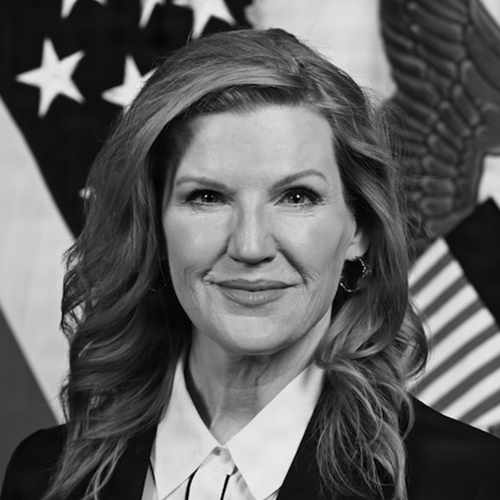
Kirsten Davies

CIO, Dept. of Defense

Golden Gov: Federal Executive of the Year

Kirsten Davies was sworn in as the Pentagon’s CIO in December 2025 following Senate confirmation. She leads enterprise information technology and cybersecurity policy for a department whose networks and digital services reach across the military. Her role calls for aligning technology investments with operational needs while improving the security and resilience of the systems personnel use every day. In 2026, she’s played a central role in the department’s re-evaluation of the CMMC 2.0 program. Davies brings executive technology leadership experience to an organization where modernization must work across services, commands and mission environments. As CIO, she helps set the direction for the department’s digital infrastructure and for the people responsible for delivering and defending it.

FedScoop 50 2026

Michael Duffy

Acting Federal CISO , Executive Office of the President

Golden Gov: Federal Executive of the Year

Michael Duffy serves as acting federal CISO, helping coordinate cybersecurity priorities across civilian agencies from the Office of Management and Budget. His background includes federal security work at the Department of Homeland Security and CISA. In the current role, Duffy engages agency security leaders on the policies and practices needed to reduce risk across a large, diverse federal enterprise. His work connects governmentwide direction with the practical challenge agencies face in protecting systems and responding to threats.

FedScoop 50 2026

Brian Epley

CIO, Dept. of Commerce

Golden Gov: Federal Executive of the Year

Brian Epley leads technology at the Department of Commerce, whose varied bureaus support economic development, trade, scientific research and public data. Before becoming CIO, he served as principal deputy CIO at the Department of Energy and held senior technology and administrative roles at the Environmental Protection Agency. That experience across agencies gives him a broad view of how enterprise services must support distinct missions. At Commerce, Epley is responsible for aligning IT, cybersecurity, data use and modernization with departmental priorities. His leadership helps ensure that technology investments serve both the employees who run agency programs and the public and businesses that rely on them.

FedScoop 50 2026

Thomas Flagg

Deputy Federal CIO , Executive Office of the President

Golden Gov: Federal Executive of the Year

Thomas Flagg joined the Office of Management and Budget as deputy federal CIO in June 2026 under former Federal CIO Greg Barbaccia. He helps coordinate technology policy and leadership across federal agencies after serving as CIO at the Department of Education and in senior technology roles at the Department of Labor. Those agency assignments gave him firsthand experience with the obstacles federal CIOs face in modernizing systems and delivering services. In his current position, Flagg works at a governmentwide scale, helping turn shared priorities into guidance and collaboration among departments with different missions. His background in agency operations grounds that work in the practical demands of federal IT leadership.

FedScoop 50 2026

Scott Kupor

Director, Office of Personnel Management

Golden Gov: Federal Executive of the Year

Scott Kupor leads the Office of Personnel Management, the agency at the center of federal workforce policy and services. His tenure has included a focus on preparing the government for wider use of artificial intelligence, both in agency operations and in the skills employees will need. OPM’s 2026–2030 strategic plan sets out goals for an AI-ready workforce, including responsible adoption and training. Kupor has also discussed AI’s potential effects on work and joined the leadership of a new federal AI task force in October 2026. His decisions shape how agencies recruit, develop and support the people who will carry out government technology priorities.

FedScoop 50 2026

Paul Lawrence

Deputy Secretary , U.S. Department of Veterans Affairs

Golden Gov: Federal Executive of the Year

Dr. Paul Lawrence serves as VA’s deputy secretary and chief operating officer, overseeing policy and operations across the department. He is also performing the duties of the assistant secretary for information and technology and CIO, placing him directly over technology decisions affecting veterans’ care, benefits and services. Confirmed as deputy secretary in 2025, Lawrence previously led the Veterans Benefits Administration during the first Trump administration. His combined operational and technology responsibilities give him a central role in ensuring that modernization efforts address the needs of both veterans and VA employees. He brings an agencywide perspective to the difficult work of improving large, essential government systems.
FedScoop 50 2026

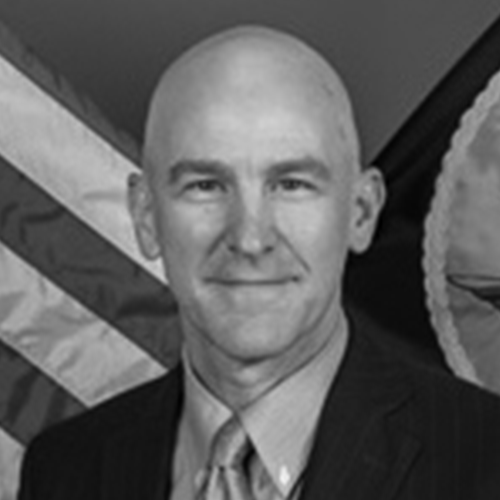
Emil Michael

Under Secretary of War for Research and Engineering and CTO , Dept. of Defense

Golden Gov: Federal Executive of the Year

Emil Michael is the Pentagon’s top research and engineering official and chief technology officer. He sets direction for technology development across a broad defense portfolio, with an emphasis on getting useful capabilities to military personnel faster. In 2026, his office identified critical technology areas and announced changes intended to strengthen the department’s innovation ecosystem and protect defense-funded research. Michael brings private-sector technology experience to a role that requires connecting researchers, companies and military customers. His leadership helps determine where the department concentrates its technology efforts and how promising advances move from development toward operational use.

FedScoop 50 2026

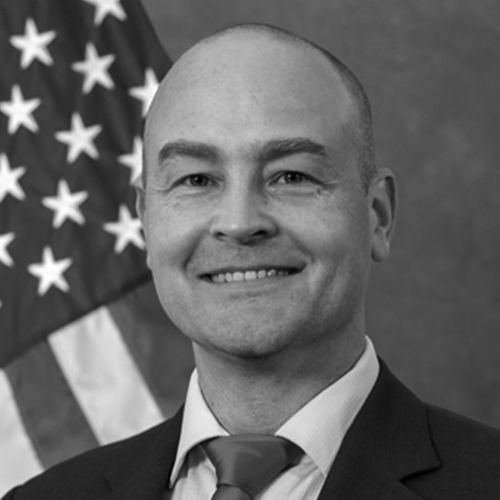
Lt. Gen. Jeth Rey

Deputy Chief of Staff, G6 , U.S. Army

Golden Gov: Federal Executive of the Year

Lt. Gen. Jeth Rey is the Army’s deputy chief of staff, G-6, and principal military adviser on networks, communications and related cyber capabilities. His office works with the Army CIO on planning, architecture and implementation for systems supporting operations around the world. Those responsibilities sit at the heart of the service’s effort to give soldiers reliable access to information while protecting networks in contested environments. Rey brings an operational perspective to decisions about how the Army connects formations, modernizes communications and prepares for future missions. His leadership helps turn enterprise technology plans into capabilities that units can depend on.

FedScoop 50 2026

David Shive

CIO, General Services Administration

Golden Gov: Federal Executive of the Year

David Shive oversees GSA’s IT operations and budget, aligning technology services with the agency’s work supporting the rest of the federal government. One of the government’s most experienced CIOs, he previously led GSA infrastructure and systems organizations and served as a CIO in the District of Columbia government. At GSA, his responsibilities extend beyond internal operations because the agency provides platforms and services used by federal partners. Shive’s leadership has supported cloud adoption, digital service delivery and shared technology. His work calls for systems that are secure and dependable for GSA employees while meeting the needs of agencies that rely on its governmentwide capabilities.

FedScoop 50 2026

Lt. Gen. Paul Stanton

Director, Defense Information Systems Agency

Golden Gov: Federal Executive of the Year

Lt. Gen. Paul Stanton leads the Defense Information Systems Agency and commands the Pentagon’s cyber defense command. The positions put him at the center of delivering and defending technology that military personnel use across the department. Stanton has emphasized the need for skilled IT and cybersecurity professionals to carry out that mission, making a direct recruiting appeal at a February 2026 event. His leadership spans the people, networks and services needed for secure communications and digital operations at defense scale. As threats and operational demands change, DISA’s ability to maintain resilient systems remains essential to the military’s daily work.

FedScoop 50 2026

Dawn Zimmer

CIO, Dept. of Energy

Golden Gov: Federal Executive of the Year

Dawn Zimmer became the Department of Energy’s CIO in November 2025. She leads enterprise IT and cybersecurity, working to keep systems secure and effective while aligning modernization with the department’s energy, science and national security missions. Zimmer has more than 25 years of experience across government, academia and the private sector. Before joining Energy, she led IT engagement and experience at Virginia Tech; earlier federal roles included technology leadership at the Federal Aviation Administration and Department of Justice. That background in service delivery and cybersecurity informs her work improving the technology used across a department with highly varied programs and facilities.

FedScoop 50 2026

Aaron Bishop

CISO, Dept. of Defense

Federal Leadership

Aaron Bishop became the department’s chief information security officer in 2026 after serving as CISO for the Department of the Air Force before that point. In the Pentagon role, he helps set cybersecurity direction across a vast network of military organizations, systems and partners. His responsibilities span cyber risk, defensive priorities and the policies needed to protect information while supporting operational missions. Bishop’s move from a military department to the enterprise-level post gives him firsthand experience with the challenge of turning departmentwide security goals into workable practices. He is helping shape how the defense enterprise strengthens its cyber posture while modernizing the technology warfighters use.

FedScoop 50 2026

Lt. Gen. Melvin “Jerry” Carter

Deputy Commandant for Information , U.S. Marine Corps

Federal Leadership

Lt. Gen. Melvin “Jerry” Carter serves as the Marine Corps’ senior adviser on the information environment. As deputy commandant for information, he helps guide the service’s approach to intelligence, cyberspace, communications and information warfighting, and represents those priorities across the Navy and defense enterprise. Carter’s leadership connects strategy and capability development with the needs of forces operating in a contested environment, where timely information and resilient networks can shape mission outcomes.

FedScoop 50 2026

Maj. Christopher Clark

AI Lead , U.S. Marine Corps

Federal Leadership

Maj. Christopher Clark is the Marine Corps’ artificial intelligence lead within the deputy commandant for information organization. His work helps the service develop AI expertise and connect emerging tools with operational problems Marines need to solve. Clark has served as the point of contact for the Corps’ AI fellowship programs, which select Marines for advanced study and projects based on their potential impact and the service’s needs. Those programs are part of the longer effort to build an AI-capable workforce, bringing technical knowledge back into units and organizations that can put it to use.

FedScoop 50 2026

Nikki Collier

Deputy Assistant Attorney General and CIO , Dept. of Justice

Federal Leadership

Nikki Collier became the Justice Department’s CIO and deputy assistant attorney general for information resources management in 2026 after serving as deputy CIO and acting CIO prior to that. She leads technology strategy and services for a department whose components carry out law enforcement, litigation and national security missions. Collier previously served as chief of staff to the assistant attorney general for administration, experience that complements her technology leadership with a departmentwide operational perspective. Her work involves aligning IT investments, cybersecurity and service delivery with the needs of DOJ’s varied offices, helping employees access dependable technology while protecting sensitive information.

FedScoop 50 2026

Susan Davenport

Chief Data and AI Officer , Dept. of the Air Force

Federal Leadership

Susan Davenport leads the Department of the Air Force’s enterprise approach to data and artificial intelligence across the Air and Space Forces. Her office develops strategies for data management, analytics and responsible AI use, with an emphasis on turning promising capabilities into operational results. In 2026, the department released new data and AI strategies intended to make information more usable and accelerate the delivery of AI-enabled capabilities. Davenport brings decades of military and civilian experience to that effort. She is focused on the governance, infrastructure and workforce practices needed for airmen and Guardians to use data securely and make better decisions.

FedScoop 50 2026

Ashley DeVoto

CIO , Dept. of the Air Force

Federal Leadership

Ashley DeVoto was named chief information officer for the Department of the Air Force in 2026. She leads its enterprise IT, cybersecurity, data and AI, and defense business systems portfolios, overseeing technology investments that support airmen, Guardians, civilians and contractors worldwide. The scale of the role requires balancing dependable day-to-day services with modernization that can improve military operations. DeVoto brings cyber and technology leadership experience to an organization whose missions span air, space and digital environments. Her priorities as CIO will help determine how the department secures its systems, equips its workforce and turns emerging technology into usable capability.

FedScoop 50 2026

Justin Fanelli

CTO, Dept. of the Navy

Federal Leadership

Justin Fanelli helps set the Department of the Navy’s technology direction while also serving as technical director for its digital program executive office. His career has included work on defense health data, Navy personnel systems, 5G, DevSecOps and command-and-control engineering. In 2026, Fanelli discussed how the Navy’s AI and data strategy could speed software delivery and help the service move promising technology into use. He brings an engineer’s perspective to a challenge shared across the military: making data, software and emerging tools available where they can improve decisions. His work connects technology strategy to practical delivery for sailors and Marines.

FedScoop 50 2026

Carter Farmer

CIO, Executive Office of the President

Federal Leadership

Carter Farmer has led IT at the Environmental Protection Agency, where his responsibilities include the systems and services supporting the agency’s workforce and environmental mission. His earlier work included technology roles at the U.S. Institute of Peace and Amtrak, with experience in cybersecurity, identity management and cloud infrastructure. In September 2026, FedScoop reported that Farmer was the White House’s choice to become federal CIO, a position that would put him at the center of governmentwide technology policy and investment, though as of publication, he hasn’t stepped into that role officially.

FedScoop 50 2026

Kelly Fletcher

CIO, Dept. of State

Federal Leadership

Kelly Fletcher leads the State Department’s global technology enterprise, supporting the networks, services and cybersecurity capabilities that diplomats need at posts around the world. As CIO since 2022, she has remained a steady leader through changes across the federal technology community. Her responsibilities require connecting enterprise modernization with the realities of diplomatic work: employees need secure communications and reliable access to information wherever they serve. Fletcher’s leadership focuses on improving technology delivery and resilience across a dispersed organization while ensuring that digital investments help advance the department’s foreign policy mission.

FedScoop 50 2026

Sean Gallagher

CIO, NASA

Federal Leadership

Sean Gallagher leads NASA’s IT organization, which delivers a broad portfolio of services to more than 60,000 users in the United States and abroad. Before becoming CIO, he served as deputy CIO for operations and helped implement a more effective agencywide technology operating model. Gallagher also led IT at NASA’s Glenn Research Center, supporting its research, engineering and test missions. That progression gives him experience with both the agency’s enterprise needs and the specialized work at its centers. As CIO, he is responsible for dependable, secure technology that enables NASA personnel and international partners to carry out exploration, science and aeronautics missions.

FedScoop 50 2026

Joseph Jewell

Assistant Secretary of War for Science & Technology , Dept. of Defense

Federal Leadership

Joseph Jewell leads science and technology priorities within the Pentagon’s research and engineering organization. A researcher with extensive work in hypersonics, he has contributed to NATO science and technology working groups and was selected for the Defense Science Study Group. In his current role, Jewell helps connect the department’s research efforts with military needs and the development of future capabilities. His technical background gives him direct experience with the path from scientific questions to defense applications. At a time of intense competition in advanced technologies, his office plays a central part in identifying promising research and helping it serve national security goals.

FedScoop 50 2026

Chris Kraft

CIO, U.S. Secret Service

Federal Leadership

Chris Kraft leads enterprise IT, software and cybersecurity for the U.S. Secret Service, supporting an agency whose protective and investigative work depends on reliable, secure technology. He previously held senior technology roles at the Department of Homeland Security, including acting chief technology officer and deputy CTO for AI and emerging technology. That experience positions him to assess new tools against demanding operational needs. As CIO, Kraft is responsible for improving technology services while protecting the systems and information used by personnel in the field and across the agency. His work includes considering how artificial intelligence can support protective operations.

FedScoop 50 2026

Mangala Kuppa

CIO, Dept. of Labor

Federal Leadership

Mangala Kuppa leads the Department of Labor’s technology portfolio and continues to serve as its chief AI officer. Her responsibilities include cybersecurity resilience, modernization of older systems and the adoption of emerging technologies that can improve the department’s services. Kuppa has helped develop Labor’s AI strategy and enterprise data platform, giving the agency a stronger foundation for using information across programs. With more than 25 years of public- and private-sector experience, she brings technical and management expertise to a department serving workers, employers and retirees. Her work aims to make technology investments useful across that broad mission while keeping the underlying systems secure.

FedScoop 50 2026

Alex Miller

CTO, U.S. Army

Federal Leadership

Alex Miller serves as chief technology officer and senior adviser for science and technology to the Army chief of staff. He works to bring emerging capabilities closer to soldiers and operational units, with particular attention to how software, data and industry-developed technology can be adopted at speed. Miller has pressed vendors to make their software interfaces accessible so the Army can connect tools and test new approaches more readily. His role links senior Army leadership with the engineers, companies and units working through practical technology challenges. The goal is to help promising innovations become capabilities soldiers can use in a rapidly changing operational environment.

FedScoop 50 2026

Kevin Murphy

Acting Chief AI Officer / Chief Data Officer , NASA

Federal Leadership

Kevin Murphy serves as NASA’s acting chief data officer and acting chief AI officer while also leading science data work for the agency’s Science Mission Directorate. He helps align NASA’s AI strategy with data governance so employees can develop and use these tools responsibly and securely. Murphy works across NASA’s science divisions to advance applications of AI, cloud computing and data science to the agency’s extensive scientific information. He also leads its high-end computing capability portfolio. His combined roles place him at the intersection of agencywide policy and scientific practice, where better access to trustworthy data can accelerate discovery.

FedScoop 50 2026

Patrick Newbold

CIO, CMS

Federal Leadership

Patrick Newbold leads CMS’s Office of Information Technology and serves as the agency’s CIO. His team supports technology essential to administering federal health programs and serving beneficiaries, providers and employees. Newbold previously held senior IT leadership positions at NASA and the Social Security Administration, where he served as CIO and helped lead digital modernization and cybersecurity work. That background brings experience with large public-facing systems to CMS. His role calls for dependable operations alongside changes that improve how people interact with the agency and how its workforce delivers services.

FedScoop 50 2026

Vu Nguyen

CISO, Dept. of Justice

Federal Leadership

Vu Nguyen directs cybersecurity strategy and oversight for the Department of Justice. With more than two decades of federal cybersecurity experience, he has worked in security operations, vulnerability management, computer forensics and incident response. Before becoming DOJ’s CISO, Nguyen served as acting CISO at U.S. Citizenship and Immigration Services, where he managed defensive initiatives and strengthened technology systems. At Justice, his remit covers an organization that handles sensitive investigative, legal and national security information. His work helps the department identify risks, improve its defenses and maintain the secure systems its employees need to carry out their missions.

FedScoop 50 2026

Kaschit Pandya

CIO , Internal Revenue Service

Federal Leadership

As CIO, Kaschit Pandya leads IRS-wide technology activities supporting tax processing, compliance, taxpayer services, online accounts and the agency’s workforce. The role spans customer-facing applications, enterprise platforms, infrastructure, data services and cybersecurity. His challenge is to keep systems dependable during filing seasons while improving the digital services taxpayers and tax professionals use throughout the year. The scale and public importance of tax administration make the IRS technology portfolio one of the federal government’s most consequential.

FedScoop 50 2026

Joshua Powell

Chief Innovation Officer and Chief AI Officer , Customs and Border Protection

Federal Leadership

Joshua Powell helps guide innovation and artificial intelligence at U.S. Customs and Border Protection. Prior to his current role, he was the agency’s first acting director of AI implementation and then its first deputy chief AI officer, helping establish governance and oversight for existing and proposed tools. His work connects technology choices with the needs of personnel carrying out CBP’s border, trade and travel missions. As chief innovation officer and chief AI officer, Powell has discussed how agencies can balance promising new capabilities with operational realities, including whether tools can help officers and agents in the field. His leadership focuses on making experimentation useful to the mission.

FedScoop 50 2026

Brandon Pugh

Principal Cyber Advisor , U.S. Army

Federal Leadership

Brandon Pugh advises the Army’s secretary and chief of staff on cyber readiness, budgets, capabilities and strategy. His position provides a direct voice on cyber matters at the service’s highest levels. Before taking the role, Pugh worked on emerging cyber and national security threats, data privacy and artificial intelligence at a Washington-based think tank. He also serves in the Army Reserve as a national security law professor and previously served as a paratrooper and international law officer. That mix of policy, legal and military experience informs his work connecting cybersecurity decisions with the Army’s operational needs.

FedScoop 50 2026

Brig. Gen. Matt Ross

Joint Interagency Task Force 401 (JIATF-401) , Dept. of Defense

Federal Leadership

Brig. Gen. Matt Ross leads Joint Interagency Task Force 401, the Pentagon organization focused on countering small unmanned aircraft systems. The task force works across defense and civilian partners to develop and field defenses against drones, a threat increasingly relevant to military installations and public events. Under Ross, JIATF-401 has worked with the Federal Aviation Administration on testing and convened interagency partners to strengthen counter-drone coordination. His role requires bringing together technology development, acquisition, training and operational needs. The task force’s work aims to move effective defenses into use as drone capabilities and the risks they pose continue to evolve.

FedScoop 50 2026

Karl Robert Schumann

CIO, FBI

Federal Leadership

Karl Robert Schumann became the FBI’s CIO in 2026 after more than two decades at the bureau. A former special agent who moved through senior leadership roles, he brings direct knowledge of investigative operations to oversight of the FBI’s technology enterprise. His responsibilities include the systems, services and security capabilities that support personnel working across complex criminal and national security missions. That operational experience can help connect modernization decisions with the needs of agents, analysts and other employees. As CIO, Schumann faces the challenge of delivering dependable technology while protecting highly sensitive information and adapting to changing threats.

FedScoop 50 2026

Zachary Schwartz

Principal Deputy Assistant Secretary for Information and Technology, Deputy CIO , Dept. of Veterans Affairs

Federal Leadership

Zachary Schwartz serves as the principal deputy assistant secretary for information and technology at VA. In the role, he helps oversee technology strategy, daily operations, cybersecurity, modernization and service delivery across a department that supports millions of veterans. He works within VA’s Office of Information and Technology alongside Deputy Secretary Paul Lawrence, who is performing the duties of the assistant secretary and CIO. Schwartz’s responsibilities connect broad technology plans with the practical work of keeping VA systems available for staff and veterans. The office’s decisions affect services ranging from employee tools to the digital infrastructure behind veterans’ care and benefits.

FedScoop 50 2026

Cameron Stanley

Chief Digital and Artificial Intelligence Officer , Dept. of Defense

Federal Leadership

Cameron Stanley was tapped in early 2026 to head the Pentagon’s Chief Digital and Artificial Intelligence Office, which works to make data, analytics and AI more useful across defense missions. His tenure came at a critical juncture as the Department of Defense rolled out GenAI.mil to more than 1.7 million unique users across the military, about 500,000 of whom are considered power users. Prior to becoming CDAO, he served as national security transformation lead for Amazon Web Services and as chief data officer for the Under Secretary of Defense for Intelligence and Security. Stanley also served as chief of the Pentagon’s chief of the Algorithmic Warfare Cross-Functional Team, better known as Project Maven.

FedScoop 50 2026

Adam Starr

CIO/CAIO , Office of Personnel Management

Federal Leadership

Adam Starr leads technology at the Office of Personnel Management, where federal hiring, retirement and workforce services depend on effective digital systems. He has described the CIO role as central to agency strategy and has emphasized improving services by rethinking workflows alongside adopting AI. In 2026, Starr highlighted OPM’s work to consolidate HR technology and move the federal retirement application away from a paper-based process. His focus includes attracting technologists to public service and giving them meaningful problems to solve.

FedScoop 50 2026

Barry Tanner

CIO, Dept. of the Navy

Federal Leadership

Barry Tanner was appointed the Department of the Navy’s CIO in August 2026 after serving as deputy and acting CIO. He leads information technology and cyber priorities for an organization spanning the Navy and Marine Corps. In earlier roles, Tanner advanced the department’s effort to modernize legacy systems, its Cyber Ready initiative and the delivery of enterprise networks. As CIO, he is charged with implementing the Navy’s information superiority and data and AI strategies. His priorities include AI infrastructure, zero trust, cryptographic modernization and cyber readiness — capabilities intended to give sailors and Marines secure information and stronger decision-making in contested environments.

FedScoop 50 2026

Rob Vietmeyer

Chief Software Officer , Dept. of Defense

Federal Leadership

Rob Vietmeyer leads software modernization work within the Pentagon CIO organization. As chief software officer, he advocates for development practices and technology that can help the department deliver useful software more quickly, including DevSecOps, cloud services and agile approaches. He took the role in 2022 with a mandate to advance the department’s software modernization strategy and address barriers to adoption. That work remains central to defense missions that depend on updating capabilities as needs change. Vietmeyer’s position connects policy with the teams building and operating software, helping the department move from broad modernization goals toward repeatable delivery practices.

FedScoop 50 2026

Stephen Winchell

Director, Defense Advanced Research Projects Agency

Federal Leadership

Stephen Winchell became DARPA’s 24th director in 2025, taking charge of an agency known for pursuing ambitious research that can change national security capabilities. He previously led AI and autonomy work at the Pentagon’s Strategic Capabilities Office and served as chief engineer for Project Maven, the military’s algorithmic warfare effort. Winchell’s experience also includes work at the Intelligence Advanced Research Projects Activity and an AI security startup. A former Navy submarine officer, he brings technical and operational perspectives to DARPA’s research portfolio. As director, he sets the agency’s vision for developing breakthrough technologies and anticipating technological surprise.

FedScoop 50 2026

Nick Andersen

Acting Director , Cybersecurity & Infrastructure Security Agency

Cybersecurity Visionary

Nick Andersen became CISA’s acting director in February 2026 after leading the agency’s Cybersecurity Division. He oversees an organization charged with helping federal agencies, critical infrastructure operators and state and local partners manage cyber and physical risks. Andersen brings federal cybersecurity leadership experience to a period of significant operational demands, including strengthening defenses against sophisticated threats and supporting partners ahead of the 2026 elections. His leadership centers on translating the agency’s technical capabilities into practical protection for the systems on which Americans rely.

FedScoop 50 2026

Lesley Bernys

Director, DOD Cyber Crime Center , Dept. of Defense

Cybersecurity Visionary

Lesley Bernys leads the Department of Defense Cyber Crime Center, which supports defense cyber operations and investigations through digital and multimedia forensics, vulnerability disclosure, training, technical solutions and analysis. Bernys came to the center after serving as chief information officer for the Air Force Office of Special Investigations. That combination of investigative and technology leadership informs his work at an organization that helps defense partners understand threats, examine digital evidence and strengthen their cyber capabilities. Bernys is guiding DC3 as its services become increasingly important to the department’s response to malicious activity across a complex digital environment.

FedScoop 50 2026

Dave Imbordino

Director of the Cybersecurity Directorate , NSA

Cybersecurity Visionary

Dave Imbordino leads the NSA’s Cybersecurity Directorate, which brings the agency’s expertise to the defense of national security systems and collaboration with government and industry partners. After serving as the directorate’s deputy and then acting chief, he took the permanent leadership role in 2026. Imbordino has held operational and leadership positions spanning cybersecurity, counterintelligence and other NSA missions. His current work includes addressing the scale of cyber threat data and exploring how artificial intelligence can help analysts identify the activity that most needs attention. He also serves as deputy national manager for national security systems.

FedScoop 50 2026

Gharun Lacy

Deputy Assistant Secretary, Directorate of Cyber & Technology Security , Dept. of State

Cybersecurity Visionary

Gharun Lacy leads cyber and technology security for the State Department’s Diplomatic Security Service, bringing cybersecurity, technical security and investigative expertise together to support diplomacy. A career Senior Foreign Service security engineering officer, he has worked stateside and at posts around the world, including Iraq, Colombia and Belgium. His directorate helps protect the technology and information on which embassies and diplomats depend. Lacy’s experience with the physical and digital dimensions of diplomatic security gives him a broad view of the risks facing a global organization that must communicate securely while operating in challenging environments.

FedScoop 50 2026

Charleen Laughlin

Deputy Chief of Space Operations for Cyber & Data , U.S. Space Force

Cybersecurity Visionary

Charleen Laughlin directs the Space Force’s cyber and data portfolio, providing senior leadership across cybersecurity, communications, information technology, data and artificial intelligence. As deputy chief of space operations for cyber and data, she helps ensure Guardians can protect and use the digital systems underpinning space missions. At Space Systems Command’s 2026 Cyber Expo, Laughlin emphasized cyber readiness as a requirement for operating at the speed of space. Her role connects enterprise technology decisions with operational needs, from securing networks and sharing data to preparing the service for threats to increasingly contested space systems.

FedScoop 50 2026

Jamison Braun

SVP & Managing Director, U.S. Public Services, SAP

Industry Leadership

Jamison Braun leads SAP’s U.S. Public Services practice, overseeing strategy, operations and customer relationships across government, higher education, healthcare, aerospace and defense. He joined SAP in 2026 after leading public sector initiatives at Salesforce, including work involving AI agents, collaboration and field service. Braun brings four decades of military experience to his technology leadership, with his final uniformed assignment at U.S. European Command supporting the Supreme Allied Commander Europe. His career has included defense cloud and workforce modernization efforts. At SAP, he connects that operational background with agencies’ efforts to modernize business systems, improve the use of data and deliver more effective public services.

FedScoop 50 2026

Kendall Collins

CEO of Missionforce & Government Cloud , Salesforce

Industry Leadership

Kendall Collins leads Salesforce’s Missionforce and Government Cloud businesses, helping agencies apply cloud, data and artificial intelligence to their missions. His responsibilities span government technology products, customer relationships and government affairs. In 2026, Salesforce expanded Missionforce’s AI capabilities and announced a partnership with OpenAI intended to bring advanced models into secure government environments. Collins previously served as Salesforce’s chief business officer and chief of staff to Marc Benioff, building on earlier leadership roles across product, sales and marketing. His work centers on translating commercial innovation into technology government organizations can use securely.

FedScoop 50 2026

Mike Daniels

VP and GM, Public Sector , Databricks

Industry Leadership

Mike Daniels leads Databricks’ public sector business, helping government organizations adopt its Data Intelligence Platform to support their missions. He joined the company in 2025 with more than 30 years of technology industry experience, including public sector leadership roles at Google, Salesforce, Oracle and UiPath. His responsibilities include expanding the business and helping customers put modern data and AI capabilities into practice. Daniels’ work connects that technical offering with government needs for better data access, governance and analysis as agencies move toward broader AI deployment.

FedScoop 50 2026

Jason Gray

Managing Director, Global Federal Government, Box

Industry Leadership

Jason Gray brings decades of federal technology experience to his role leading global federal government engagement at Box. A former CIO at USAID and the Department of Education, he understands the operational, acquisition and oversight requirements that shape agency modernization. At Box, Gray emphasizes responsible AI and secure content management as ways to reduce administrative work while preserving accountability. He has highlighted practical applications such as correspondence tracking, grants review, records discovery and translation, alongside the importance of human review and measurable results. His work helps connect commercial technology with the realities of government service delivery, enabling agencies to improve workflows without losing the rigor their missions require.

FedScoop 50 2026

Ken Kartsen

VP, Worldwide Public Sector, Wiz

Industry Leadership

Ken Kartsen leads Wiz’s worldwide public sector business, helping government organizations strengthen security as they expand their use of cloud services and artificial intelligence. He joined Wiz after a lengthy tenure at Trellix, bringing experience serving agencies with demanding cybersecurity requirements. His work includes helping customers understand and prioritize risks across cloud infrastructure, software development and running applications. Kartsen’s leadership focuses on making cloud security more accessible and actionable, so public sector organizations can modernize while protecting critical systems and information.

FedScoop 50 2026

Carmen Krueger

Corporate Vice President of U.S. Federal , Microsoft

Industry Leadership

Carmen Krueger leads Microsoft’s U.S. federal business, working with agencies and partners to apply cloud, cybersecurity and AI capabilities to government missions. She joined Microsoft in September 2025 after nearly two decades in leadership roles at SAP, with additional experience at Qualtrics. A Navy veteran who served in the Judge Advocate General’s Corps, Krueger brings both government and commercial perspectives to technology modernization. Her leadership centers on helping agencies improve productivity and services while meeting the security requirements of federal work. 

FedScoop 50 2026

Sean MacKirdy

Area VP, National Security, Elastic

Industry Leadership

Sean MacKirdy leads Elastic’s national security business, helping organizations use data to improve situational awareness, cybersecurity and mission decisions. He brings more than 30 years of technology experience, including software development, high-performance computing and a lengthy tenure at Cisco. His work also addresses the security of space systems and the connections between information technology and operational technology. Through engagement with government partners across the Five Eyes community, he emphasizes accessible data and effective monitoring as foundations for secure AI adoption and resilient national security operations.

FedScoop 50 2026

Lynn Martin

Group Vice President and General Manager of Workday Government , Workday

Industry Leadership

Lynn Martin leads Workday Government, drawing on more than 30 years of experience at the intersection of technology and public service. Her earlier leadership roles at Google and VMware included building businesses focused on government and other regulated sectors. At Workday, Martin helps agencies modernize workforce and financial operations, connecting technology investments with the people, funding and skills needed to deliver their missions. In July 2026, Workday Adaptive Planning received FedRAMP Moderate authorization, expanding federal access to tools that bring budgeting, forecasting and workforce planning together. Martin has emphasized the value of connected information in helping leaders assess trade-offs, allocate resources and prepare for organizational change.

FedScoop 50 2026

Anish Patel

Head of Federal Sales, Cloudflare

Industry Leadership

Anish Patel leads Cloudflare’s federal sales organization, helping agencies address cybersecurity, network performance and digital service delivery. He brings two decades of experience working on government enterprise IT challenges, including senior roles at VMware, Cloudera and Cisco. Patel has emphasized the need to connect better digital experiences, secure AI adoption and stronger defenses within a simpler technology environment. In 2026, Cloudflare achieved FedRAMP High authorization, expanding its ability to support agencies handling sensitive information. His work focuses on helping federal customers modernize security and connectivity while reducing the complexity that can slow implementation, strain resources and make it harder to respond to emerging threats.

FedScoop 50 2026

Joseph Perrino

Vice President, Public Sector , UiPath

Industry Leadership

Joe Perrino leads UiPath’s public sector business, helping government organizations apply automation and AI to improve operations and service delivery. Before joining UiPath, he held roles at MongoDB, Cloudera and Hortonworks, building experience across enterprise data platforms and government technology markets. Earlier, he led DLT Solutions’ open-source and cloud practice after managing a systems-integration business focused on Red Hat technologies. At UiPath, he draws on that background to help agencies move from experimentation to practical deployment, emphasizing training, governance and human oversight as organizations adopt agentic automation.

FedScoop 50 2026

Bryan Thomas

Vice President, U.S. Public Sector , Everpure

Industry Leadership

Bryan Thomas leads Everpure’s U.S. public sector business, helping government agencies modernize data infrastructure and prepare for the demands of AI. Before joining the company in July 2024, he served as Google’s managing director for the Department of Defense, leading teams delivering cloud and AI capabilities for defense missions. Earlier, Thomas spent 22 years at World Wide Technology, rising to executive vice president overseeing federal, state, local and education markets. He helped develop the company’s public sector strategy and establish its Washington, D.C. Innovation Center, giving agencies a collaborative environment to evaluate emerging technologies. At Everpure, he applies that experience to helping agencies reduce infrastructure complexity, strengthen resilience and make better use of their data.

FedScoop 50 2026

Matheus Passos

Senior Advisor for Technology and Strategy, Dept. of Commerce

Most Inspiring Up & Comer

Matheus Passos serves as senior advisor for technology and strategy at the Department of Commerce, bringing deep experience in technology planning, investment management and government policy. He previously served as acting chief technology officer and deputy CIO, overseeing enterprise architecture, emerging technologies, innovation and digital service delivery. As Commerce’s responsible AI official, he also led the department’s AI governance program. Earlier, Passos developed architecture guidance and standards for Commerce’s multibillion-dollar IT portfolio.

FedScoop 50 2026

Securing the World Cup

Securing the World Cup, Department of Homeland Security

Innovation of the Year

DHS’s Securing the World Cup effort brought together technology, threat intelligence and interagency coordination to support security across the 2026 FIFA World Cup’s 11 U.S. host cities. The department’s work included counter-drone capabilities, infrastructure protection, cybersecurity exercises and emergency response training, connecting federal expertise with state, local and private-sector partners. Preparations included simulated cyberattacks to test coordination and specialized training for responders protecting venues and surrounding communities. DHS’s Science and Technology Directorate also advanced tools to detect and counter unmanned aircraft threats. The program demonstrates how coordinated planning and technical capabilities can strengthen readiness for a major international event while building expertise that supports future large-scale security operations.