Education IT, tech employees lose union protections
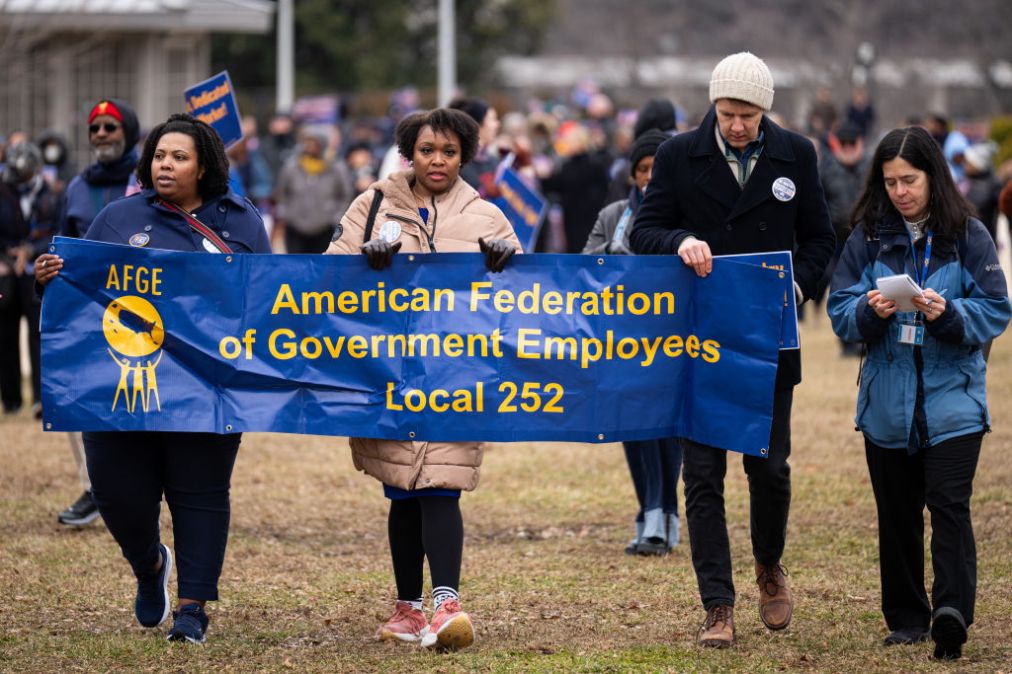
The Education Department’s workers union is pushing back after more than 100 technology-related employees lost their collective bargaining protections last month under an executive order citing national security and cybersecurity risks tied to their roles.
About 120 employees in the agency’s Office of the Chief Information Officer and Federal Student Aid’s Office of the Chief Technology Officer were told late last month they no longer had union protections due to the nature of their positions, according to AFGE Local 252, which represents Education Department employees.
The notification came nearly nine months after President Donald Trump signed an executive order ending collective bargaining rights for labor unions at various federal agencies. The order included some agencies in their entirety, along with some positions across the government that have a determined “primary function” involving intelligence, counterintelligence, investigative, or national security work.
While the CTO and OCIO employees work with technology that could have cybersecurity ties, AFGE Local 252 argues this does not involve intelligence work that would warrant such a ban.
“The Department of Education does not engage in any intelligence, counter-intelligence, investigative, or national security work,” AFGE 252 President Rachel Gittleman told FedScoop in an interview, suggesting the move is “just a way to strip labor rights of our federal workforce.”
“Education Secretary Linda McMahon continues to choose playing politics over serving the American people,” Gittleman added in a separate statement.
The FSA CTO office specifically does “work on technology” and products, but not information resources management, as the order states, Gittleman explained. FSA employees primarily focus on the office’s website, income-driven repayment applications, FAFSA, and public service loan forgiveness applications.
“Not only does the big picture item not apply to the Department of Education and our employees, the smaller subsection that they are applying to us also does not apply to the Department of Education and bargaining unit employees,” she added.
A spokesperson for the Office of Personnel Management — the government’s human resources arm — defended the move, stating OCIO and FSA CTO workers are “tasked with front-line cybersecurity and data privacy roles.”
These roles are “responsible” for the protection of sensitive personal information and “maintaining the integrity” of government networks against breaches.
“The consequences of such breaches can be devastating. Union collective bargaining agreements typically require lengthy negotiation over any changes in work rules, and insulate employees who commit dangerous misconduct from accountability — both of which can put cybersecurity in danger,” the spokesperson said.
According to an FSA CTO employee, these workers were told the agency’s HR team planned to roll back the union protections last fall, but the 43-day government shutdown delayed the move. The rollback took effect immediately, the employee added, meaning they could not appeal the decision through normal union channels.
When staff asked whether the agency reviewed their position descriptions before implementing the change, they were told no, according to the CTO employee, who was granted anonymity to speak freely without fear of retaliation.
“Someone pointed out that the work many of us do in the CTO shop is identical to the work done outside of the CTO shop, and the only difference is where we sit,” the employee told FedScoop, adding they do not have security clearances. “We all have public trust, but nothing higher than that.”
The move comes after a tumultuous year for Education employees, who have faced multiple rounds of layoffs as part of the Trump administration’s efforts to reduce the federal workforce and ultimately dismantle the department. AFGE has played a major role in advocating for federal workers against these RIFs and other administrative actions.
The CTO employee said workers were surprised by the move, saying there was “no indication that we had anything to worry about,” especially since nearly a year passed since the executive order was issued.
Legal challenges to the order are still playing out in court. The Trump administration maintains the president has the authority to end collective bargaining rights under the 1978 Civil Service Reform Act, which exempts national security roles from union protection.
A federal judge in AFGE’s case ruled in June that the Trump administration’s executive order likely violated the law and issued a preliminary injunction preventing agencies from implementing the order. But an appeals court granted the government’s request for a stay on the injunction in August while litigation continues.
According to a notice sent by Education to AFGE 252 on Jan. 22, the immediate removal of the 120 employees from the bargaining unit is a result of the August emergency stay. No legal decisions have been made since then to “interrupt” these actions, the notice stated.
When reached for comment Monday, the Education Department sent an automated email stating that responses would be delayed due to the partial government shutdown.
Other agencies have also begun similar efforts to strip union protections. At the Department of Homeland Security, the Transportation Security Administration announced last December it would implement a new “labor framework” to rescind employees’ collective bargaining agreements. A federal judge blocked this move just days before the framework was set to take effect last month.