Senate Democrats sound alarm over VA’s resumption of EHR rollout
A group of Senate Democrats is pushing the Department of Veterans Affairs to address concerns over its oft-troubled electronic health record modernization effort and what they say is an “aggressive rollout timeline” to resume deploying the system at VA facilities next year.
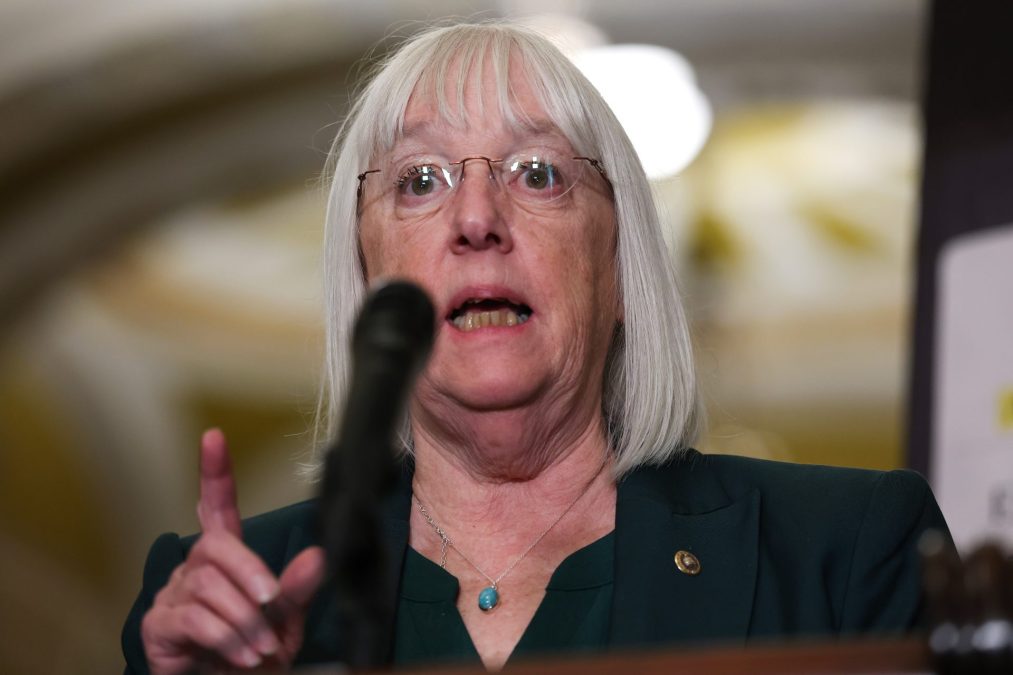
In a letter sent Friday to VA Secretary Doug Collins, Sens. Richard Blumenthal, D-Conn., Patty Murray, D-Wash., and Elissa Slotkin, D-Mich., said issues and system defects with the EHR continue to be reported but “have yet to be adequately addressed.”
“Our top priority is—and has always been—patient safety,” the senators wrote. “We have all seen how the deployment of new technology without adequate planning, training, and support can have disastrous consequences for patients and providers alike.”
The letter comes just months ahead of the VA’s planned resumption of the EHR rollout at four Michigan facilities in April. It will mark the first deployments since 2023, when the VA paused the system’s implementation to renegotiate its contract with Oracle Cerner and resolve safety concerns. In total, the VA plans to install the new EHR system at 13 new medical facilities in 2026.
The lawmakers’ letter cited various inspector general reports in recent years, highlighting safety risks and challenges the EHR has faced in the past.
In 2024, the VA watchdog said a scheduling error within the modernized record system played a role in the 2022 death of a veteran in Ohio. And in March of this year, the Government Accountability Office issued a report claiming that 58% of modernized EHR system users felt it increased safety risks. Lawmakers noted that the same report found more than half of the configuration changes requested by administrators had not yet been addressed.
“We have serious concerns that the issues and system defects identified by the GAO and the VA OIG have yet to be adequately addressed, ahead of this more aggressive rollout timeline,” lawmakers wrote.
The senators requested a staff briefing and answers to a handful of questions, including what actions VA is taking to prioritize EHR implementation, the feedback the agency has received from providers and whether the agency plans to implement the GAO’s recommendations from March.
In a statement to FedScoop, VA press secretary Pete Kasperowicz said the agency plans to respond to lawmakers, but “their letter would’ve been more timely” if they sent it during the Biden administration, since “that’s when most of the issues they cite occurred.”
Kasperowicz said the Trump administration will not “repeat those same mistakes,” writing that the “EHR system VA will deploy at 13 sites next year is in much better shape now than it was under the Biden administration, which allowed the initiative to sit nearly dormant for almost two years.”
As of September, the VA’s EHR had a 96.68% incident-free rate over the past 18 months, and for the past 35 months at least, VA saw a “significant drop” in user interruptions, according to Kasperowicz.
Lawmakers in both chambers have repeatedly pressed VA on the challenges of the EHR, and the skepticism appears to span the aisle.
In a hearing last week before the House VA Subcommittee on Technology Modernization, two Republican House lawmakers and one Democratic member grilled leaders from the VA and Oracle Health on their preparations for the Michigan rollout, specifically.
Subcommittee Chair Tom Barrett, R-Mich., said the panel has received “meaningful good signs” about the expected rollout but “cannot ignore other red flags that are warnings behind the scenes.” The subcommittee’s concerns primarily centered on the project’s total cost, workforce readiness, and the VA’s decision to launch the systems at four Michigan facilities simultaneously rather than sequentially.
Carol Harris, the director of information technology and cybersecurity for the GAO, told the subcommittee last week that the VA still needs to address 12 of the GAO’s priority recommendations, stating: “Until they are fully implemented, future deployments are at risk of prolonging challenges like those experienced in the initial deployments.”
VA Secretary Doug Collins responded to the letter on the social media platform X on Monday, arguing Murray, one of the signatories, is “cherry-picking years[-]old problems.”
“VA staff satisfaction with the new system has doubled since 2024, and Veteran outpatient trust scores have increased at all sites where we’ve deployed it,” he wrote in the post.