House passes SBA modernization bill linked to failed platform rollout
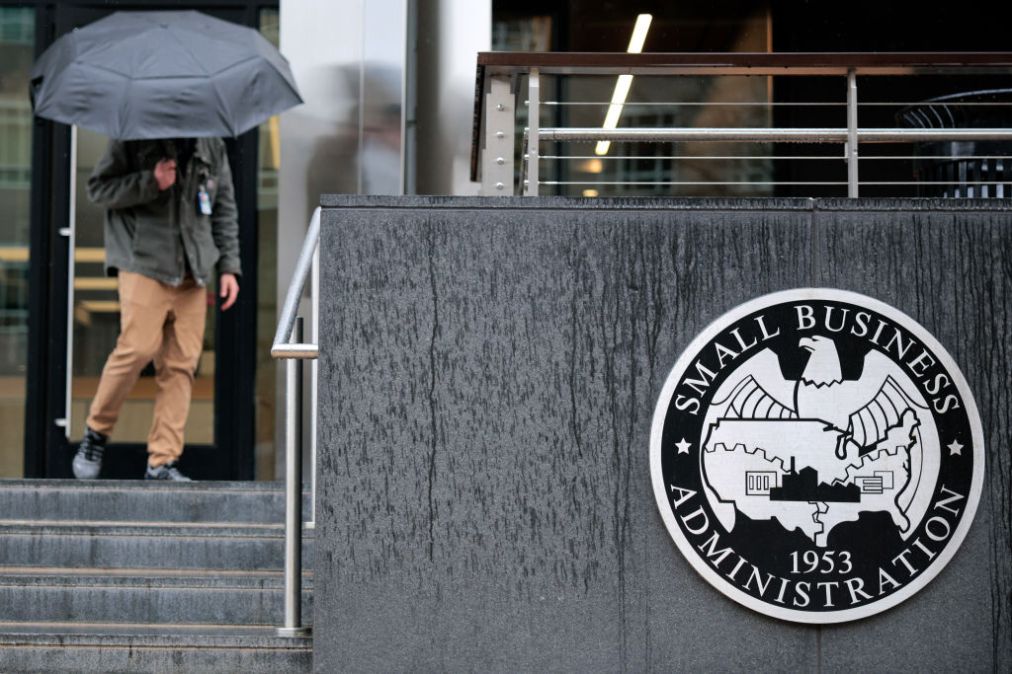
The Small Business Administration may soon be forced to confront the flawed rollout of an online certification platform it launched late in the Biden administration.
The House on Monday passed a bill that would require the SBA to implement nearly a dozen recommendations made in a Government Accountability Office report about the agency’s Unified Certification Platform for small business contracting assistance.
The lawmakers behind the SBA IT Modernization Reporting Act — Reps. Gil Cisneros, D-Calif., and Brian Jack, R-Ga. — believe the legislation will help the agency avoid various pitfalls that plagued the UCP, helping it better develop and manage digital projects going forward.
“With the passage of this bill, the SBA will better adhere to its duty to efficiently serve the small businesses of America,” Cisneros said in a press release. “This bipartisan legislation will strengthen the Small Business Administration’s IT practices and ensure the agency keeps up with the needs of today’s small businesses.”
Added Jack: “This bill will allow the Small Business Administration to continue doing what it does best — supporting the entrepreneurs and job creators who are the backbone of our communities. By strengthening and streamlining SBA operations, this legislation ensures more small businesses can access the tools, resources, and support they need to grow, hire, and continue to thrive.”
The UCP project was launched in 2023 with the goal of easing small businesses’ interactions with the SBA’s contract assistance programs. But deployment of the platform was delayed and applications for certification were paused in August 2024. The UCP went live two months later, but according to the GAO, work to migrate data and secure the system was incomplete.
House Small Business Committee Chair Roger Williams said before Monday’s vote that the “failed … portal rollout resulted in delays, errors and cybersecurity risks, shutting out small businesses from the vital government contracting opportunities.”
“Small businesses were delayed for months, sometimes longer, to get approval from the SBA to compete for governmental contracts,” the Texas Republican continued. “To make matters worse, the SBA allowed small businesses to use the new portal without conducting minimum cyber threat assessments, and entrepreneurs didn’t just face delays, but their sensitive personal and business information was put at risk of cybercrime.”
Williams’ concerns were echoed in the upper chamber by Sen. Joni Ernst, R-Iowa, who told FedScoop after the release of the GAO report a year ago that “small businesses should not be forced to suffer because of bureaucratic incompetence.”
“Not only did SBA fail to meet its own self-imposed deadline and blow through an already bloated budget, but the agency failed to create a portal that works,” added Ernst, the then-ranking member and now-chair of the Senate Small Business Committee. “SBA needs to take responsibility for its irresponsible decision to upgrade the portal during the busiest month for small businesses, that I warned about, and take immediate steps to resolve GAO’s recommendations.”
In addition to directing the SBA to adopt those 11 GAO recommendations, the Cisneros-Jack bill would require the agency to keep Congress informed of its implementation plan, including briefings on actions conducted by each regional SBA office, and timelines for the completion of those actions.
Speaking on the House floor Monday, Cisneros said the legislation will go a long way toward addressing “the root causes” that lead to IT projects that are delayed and have cost overruns, as well as those that fail completely.
“This means better oversight, better execution, and, most importantly, better services by the SBA for all small businesses,” the California Democrat said. “An efficient and fully operational IT platform is critical for the SBA to conduct the certifications that allow for so many small businesses to participate in the federal marketplace.”