Energy Department unveils Genesis Mission Consortium to spur partnerships
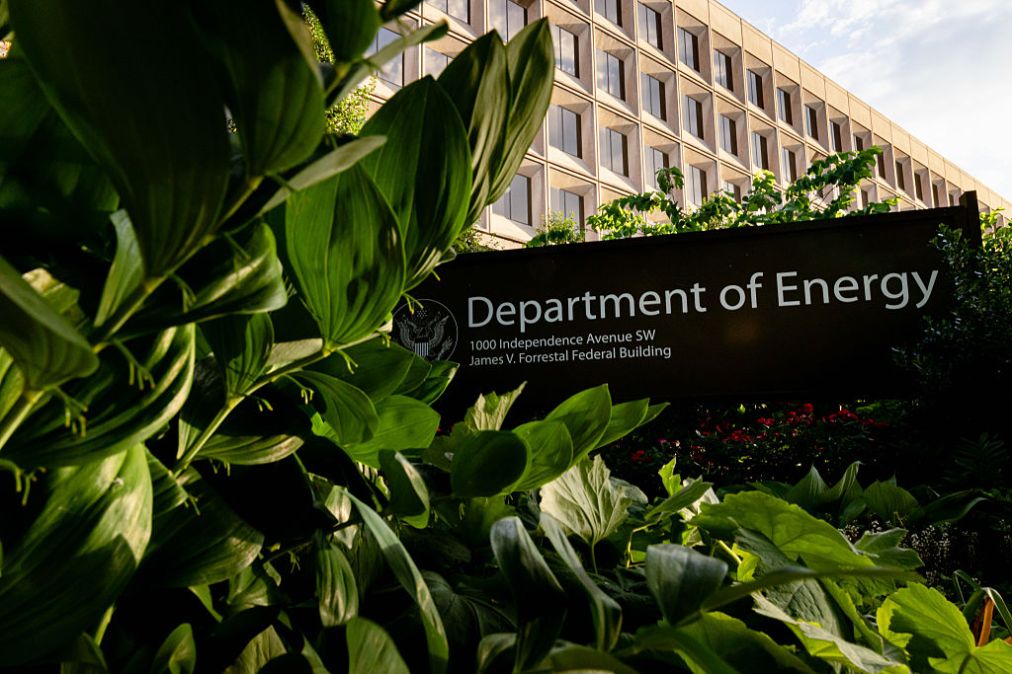
The Department of Energy is launching a Genesis Mission Consortium as its latest move to deepen the public-private partnerships fueling the AI platform.
The initiative, announced Monday, will facilitate structured partnerships as well as working groups, which will focus on ensuring model validation and reliability, addressing data governance and compliance standards, enabling federated data sharing and accelerating research throughput via reduced operational bottlenecks.
The consortium will act as a “collaborative hub” and a “single, coordinated access point” for members and resources, according to the agency.
“The Genesis Mission Consortium represents a bold step toward transforming the way we approach scientific challenges,” Darío Gil, DOE’s under secretary for science and Genesis Mission lead, said in a press release. “Thanks to President Trump’s leadership, we’re uniting government, industry, and academia to create a powerful engine for innovation that will drive breakthroughs across multiple disciplines.”
Since Trump took office a little over a year ago, federal agencies have strengthened their relationship with private-sector vendors, such as through the overhauled vision for FedRAMP and executive branch-led pushes for speedy adoption of emerging technology.
The Energy Department has followed that lead and taken a private sector-friendly approach to advancing Genesis Mission goals, which include creating an AI-powered national platform. Since launching the Genesis Mission in November, the Energy Department has put out several requests for information directed at industry stakeholders and forged partnerships with 24 technology companies.
Gil teased the launch of the consortium and working groups during a tech and policy summit hosted by the Information Technology Industry Council last week.
“There are more [partnerships] to come,” Gil said onstage at the event in Washington, D.C. “We got to have creative partnership mechanisms and innovation on how we collaborate and contract and form teams.”
The DOE official has reiterated the need for private-public collaboration at various events over the past few months as execution of the Genesis Mission has ramped up.
Several explicit deadlines are slated for this year, as outlined by Trump’s November executive order. In about two months, the Energy secretary will need to lay out plans for a risk-based cybersecurity strategy to protect datasets coming from the research, other agencies, private-sector partners and academic institutions. Near the mid-year mark, the secretary will then need to demonstrate the initial capabilities of the Genesis platform in order to meet expectations.
Despite potential hurdles, Gil has said the agency will deliver “platform instantiations this year and on an ongoing basis.”