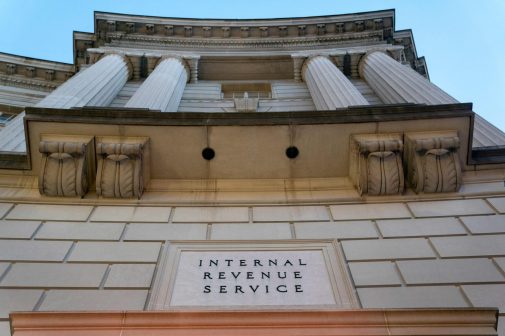
SBA-IRS data-sharing process for disaster loans needs better tech, GAO says
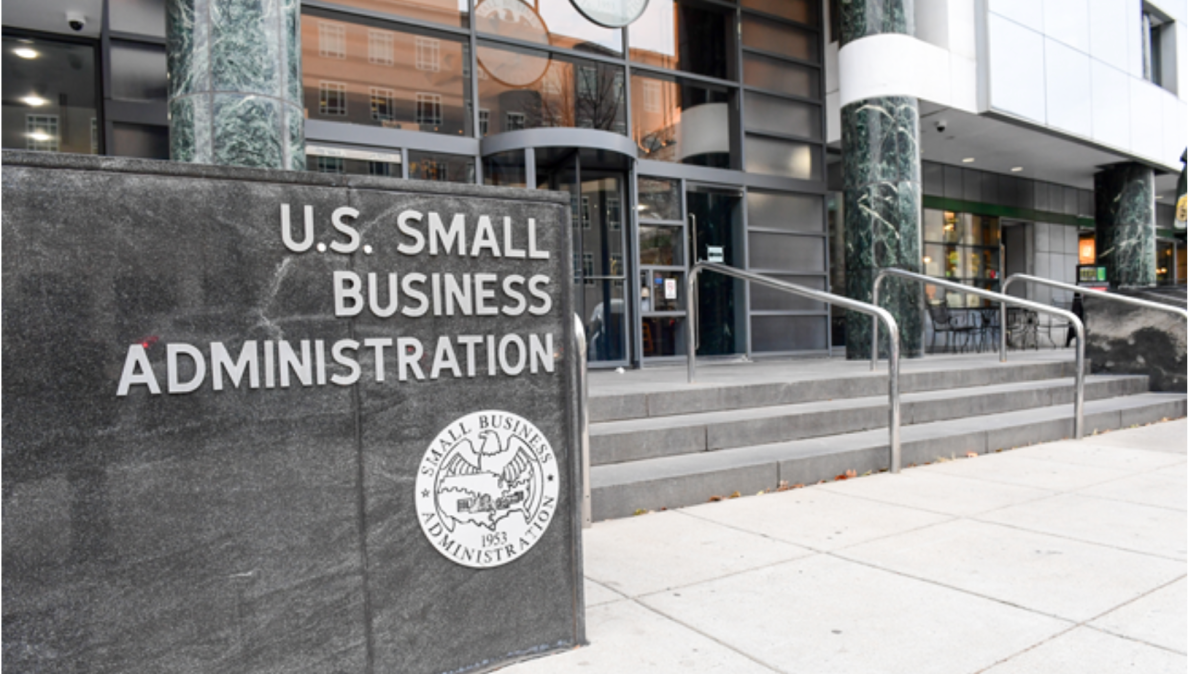
The data-sharing process between the Small Business Administration and the IRS for disaster loans is inefficient and ripe for a technological boost, according to a new Government Accountability Office report.
The GAO, which conducted a performance audit on SBA’s disaster assistance data-sharing with the IRS from July 2024 to this month, said the agency is hamstrung in its requests by statutory authority, preventing it from receiving tax information without the consent of loan applicants.
Currently, the SBA and IRS both manually verify tax request forms, a process the watchdog noted “requires time and staff resources and carries the risk of backlogs or delays.” Slowdowns are especially concerning since the SBA’s Disaster Loan Program, which dates back to 1953, provides low-interest loans to homeowners, renters, businesses and nonprofits that have suffered economic losses or property damage due to a disaster.
The GAO said the SBA “has not pursued the legal authority that would allow it to directly obtain taxpayer information from IRS.” Doing so would require the amending of section 6103 of the Internal Revenue Code.
“Obtaining this authority would be an important step toward more fully automating data sharing with IRS, enabling near real time data sharing,” the GAO wrote.
However, the report noted that SBA officials are resistant to that approach, providing the watchdog with two reasons why the agency has decided not to follow that recommendation.
“First, they expressed a preference for a more general legislative amendment that would cover a wider range of potential future changes to SBA programs. They said this would avoid the need for repeated congressional action if program requirements change,” the GAO wrote. “Second, SBA officials stated a preference to continue obtaining applicant consent before accessing taxpayer information.”
The watchdog pushed back on those justifications, writing that amendments to section 6103 are quite narrow due to the “confidential nature of taxpayer information” — meaning congressional see-sawing is not likely.
On the issue of taxpayer consent, the GAO said SBA could still get that sign-off by integrating it into the loan application process, a move entirely independent of current privacy law on IRS’s consent requirement.
The GAO did find common ground with the SBA and the IRS on possible technology improvements that could “reduce reliance on manual processing of tax information request forms.” The watchdog said introducing new technologies would “reduce manual processing” in addition to lessening the administrative burden and improving its ability to “help prevent fraud, waste, and abuse in its disaster response programs.”
“Agency officials told us they have begun to explore technological improvements that could support more efficient data sharing while maintaining the current requirement for applicant consent,” the GAO wrote. “However, officials were not able to provide details on the technologies under consideration.”
Although the SBA neither agreed nor disagreed with the consent recommendation, the agency told GAO auditors that it planned to address the issue by Oct. 31, 2027, when the disaster loan memorandum of understanding with the IRS is up for renewal.
“Further, SBA stated its support for better access to data through statutory change or improved technology that would reduce instances of fraud,” the GAO concluded.