Bipartisan House duo wants Treasury-led push to fight identity theft, fraud
The Treasury Department would take on a greater role in combating identity theft and fraud across the country under a new bill from a bipartisan pair of House lawmakers.
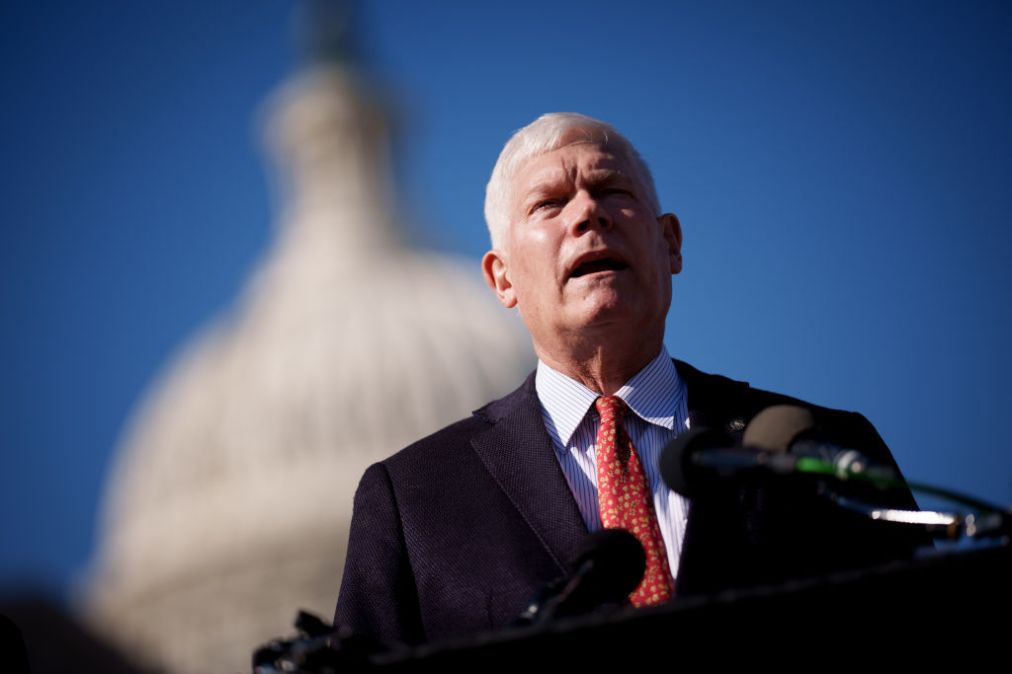
The Stop Identity Fraud and Identity Theft Act from Reps. Pete Sessions, R-Texas, and Bill Foster, D-Ill., would put the Treasury secretary at the center of a governmentwide push to address vulnerabilities in online identity verification — flaws that foreign adversaries and criminal networks are increasingly exploiting.
“Identity fraud is one of the fastest growing threats facing American families, our financial system, and the integrity of government programs,” Sessions said in a press release. “Criminal organizations and hostile nation states are exploiting outdated identity systems, costing taxpayers hundreds of billions of dollars and putting Americans’ personal information at risk.”
According to the press release, more than 353 million people were affected by data breaches in 2023, while the Government Accountability Office estimated that federal programs lose between $233 billion and $521 billion yearly due to fraud. Much of that fraud, the GAO noted, is linked to compromised identities.
“It is important that Congress responds to the growing wave of identity theft and fraud in the United States by strengthening our digital identity infrastructure,” Foster said in the press release, adding that the legislation will “provide states with the support they need to safeguard Americans’ personal information and strengthen consumers’ ability to protect themselves against identity theft and fraud.”
The bill calls for the Treasury chief to establish a program that disperses fraud prevention innovation grants to states. From there, states that are awarded those grants would develop digital versions of driver’s licenses and other ID credentials that align with National Institute of Standards and Technology guidelines on identity and tribute validation services.
Those digital identity documents, per the bill text, should be designed to protect the privacy and security of individuals and guard against AI-powered deepfakes, while ensuring “the integrity of government benefit programs paid through the Department of the Treasury.”
The legislation does not call for the elimination of physical ID credentials, nor does it require a person to obtain a digital driver’s license or digital identity. The lawmakers noted in the press release that participation by states and individuals “remains voluntary.”
Combatting fraud has been a hot topic on Capitol Hill in recent months, particularly in agency-run programs. During a House Oversight Government Operations Subcommittee hearing last month, officials from Treasury, the GAO and the Pandemic Response Accountability Committee told lawmakers that AI and data analytics could be used more effectively to detect fraud in federal programs.
The Treasury Department is also in the midst of a push to expand the data available to agencies as part of its Do Not Pay system, though there are still some “hurdles” to clear on that front. The GAO, meanwhile, is continuing its work on pushing agencies to pursue more coordinated efforts to fight scams, with mixed results so far.
Jeremy Grant, coordinator of the Better Identity Coalition, said in the press release from Sessions and Foster that their work represents “common sense legislation” that recognizes “the importance” of identity theft and fraud challenges.
“Millions of Americans are victims of identity theft and fraud each year, leading to billions of dollars in losses, because it is far too easy for criminals and hostile nation states to compromise the tools we use to protect identity online,” Grant said, adding that the bill will “help Americans better protect their security and privacy in the digital world.”