CBP to strengthen ‘tactical targeting,’ ‘counter-network analysis’ with Clearview AI
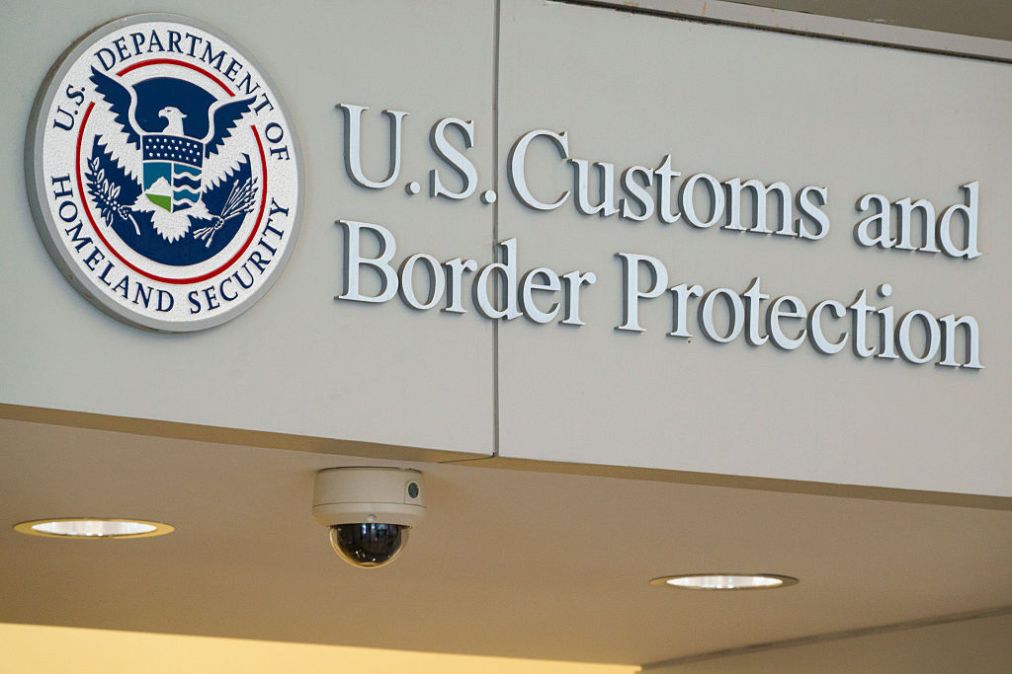
U.S. Customs and Border Protection plans to augment its facial recognition and biometric capabilities through a one-year base contract with Clearview AI, which will provide the agency with access to a database of more than 60 billion publicly available images.
The deal posted earlier this week is expected to kick off in September and includes the procurement of 15 software licenses for agents in its intelligence division at the National Targeting Center. The investment, CBP said, will enhance its “tactical targeting” capabilities and support “counter-network analysis.”
“One of the most significant changes in how CBP executes its responsibilities is the manner in which open-source information is leveraged to more fully inform strategic and tactical operations,” CBP said in the contract. “Through the efficient exploitation of this information, CBP can more effectively and efficiently identify, target, screen, and interdict inbound and outbound passengers who pose a threat to national security, public safety and lawful trade and travel.”
The contract is the latest in a string of adoption plans to accelerate the Department of Homeland Security’s use of third-party tools as a way to improve investigations and law enforcement operations.
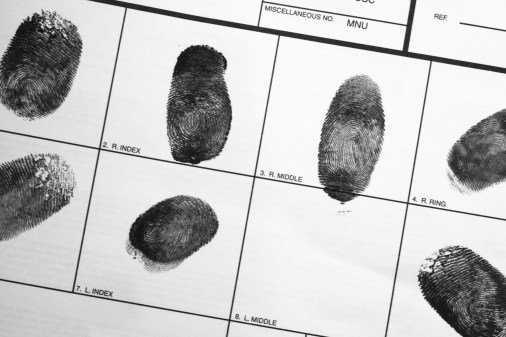
In the last year, CBP has deployed several AI technologies, such as NexisXplore, to aid in open-source research of potential threats and to identify travelers. The Homeland Security organization last year began using Mobile Fortify as a facial comparison and fingerprint matching tool to quickly verify persons of interest. CBP Link is another AI use case that cropped up in the past year, streamlining facial recognition and real-time identity verification.
CBP began piloting Clearview AI’s technology in 2025, too, according to DHS’s AI inventory. The technology needed to be — and was — tuned to produce better results and limit misidentification. Guardrails have been identified to some degree.
“No enforcement action is taken based solely on the leads generated by this tool,” the agency said in its AI inventory. “All potential identifications undergo thorough investigation and validation to ensure accuracy and compliance with established standards.”
As DHS readies itself for yet another year of biometric and facial recognition tool expansion, lawmakers are simultaneously trying to rein in the agency’s use.
Bicameral legislation banning CBP agents and Immigration and Customs Enforcement officials from the technology was introduced last week by Sens. Edward Markey, D-Mass., Jeff Merkley, D-Ore., and Ron Wyden, D-Ore., and Rep. Pramila Jayapal, D-Wash. The ICE Out of Our Faces Act would also require the agency to delete data collected by the systems.
“Without oversight, this technology is dangerous in the hands of any government,” Merkley said in a press release.
Members of the House Homeland Security Committee have also proposed rules to set limits on DHS’s mobile biometric applications, and congressional leaders have pushed back on attempts to broaden DHS’s authorities. The DHS inspector general has an eye on the agency’s practices, too, as part of an ongoing audit.