Acting Labor secretary eyes big budget boost for ID verification systems
The Department of Labor is asking Congress for additional funding to strengthen its identity verification systems, part of what the agency’s head said is a multipronged effort to crack down on improper payments.
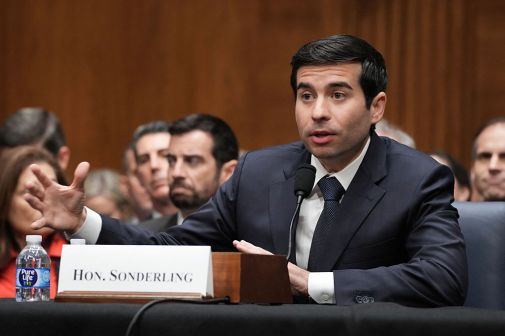
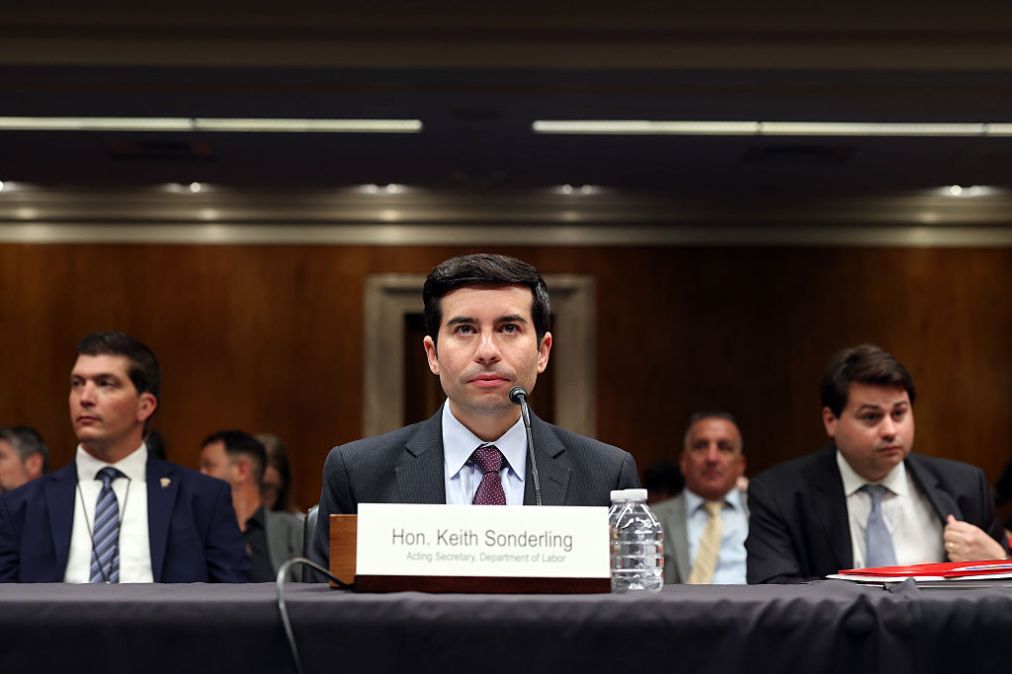
Appearing Tuesday before a Senate Appropriations subcommittee, acting Secretary Keith Sonderling told lawmakers that the Labor Department is focused on working with states to ensure they have “proper identity verification systems to make sure that not a single dollar goes out” that shouldn’t.
The DOL’s fiscal 2027 budget request seeks $2.8 billion in state grants to administer the Federal-State Unemployment Insurance (UI) system, and a $25 million boost to support the agency’s “continued commitment to improving identity verification services for States, a key strategy for fighting fraud.”
The $25 million for the UI National Activities budget will “sustain” national verification efforts at the DOL, which includes online and in-person identity-proofing services that the budget document said “can significantly reduce fraud and overpayments resulting from identity fraud.”
The agency has struggled with improper payments for years and has been tapped to play a role with the White House’s fraud task force. Sen. Shelley Moore Capito, who chairs the Labor, Health and Human Services, Education, and Related Agencies Subcommittee, referred to findings in an April Government Accountability Office report that DOL’s UI system had an estimated improper payment rate of nearly 15% in fiscal 2025.
The federal compliance threshold is 10%, the West Virginia Republican noted, telling Sonderling that addressing the UI system’s shortcomings is an “area that we could have much improvement.” GAO estimates pegged improper DOL payments via the UI system in fiscal 2025 at $5.6 billion.
The acting secretary told Capito that in addition to working with states on identity verification, DOL has also deployed “strike teams” to “high-risk states” and is coordinating with the inspector general’s office on enforcement efforts.
“So really looking [at] ways to use technology and programs to work with our state partners to make sure that they have the tools they need for identifying” fraud, he said.
Sonderling, who took on the acting secretary role last month after Lori Chavez-DeRemer resigned amid a misconduct investigation, touted DOL’s launch of unemployment.gov, a pilot program to ease data-sharing and get states to “send the information to us first, so then we can work and verify the claims,” he said.
The funding infusion for UI anti-fraud initiatives stands out in an overall DOL budget request that calls for double-digit cuts across the agency; Sen. Chris Murphy, D-Conn., said the proposed 25% reduction represents what would be a “record decrease” for the department.
Sonderling said the cuts are only about asking Congress “to put the money in more effective programs.” One of those programs appears to be IT modernization, which would receive $18.2 million in fiscal 2027, with $5.4 million earmarked for the “scaling and enablement of AI activities” at the agency.
Those activities, per the budget request, include “meeting minimum risk standards for high-impact use cases, scaling infrastructure for enterprise-wide AI solutions, licensing for AI solutions, and initiating AI literacy programs at the Department. The remaining $3,000,000 will fund AI innovation project(s) that will increase mission effectiveness to benefit the American people.”