DHS moves forward on autonomous surveillance towers at the border
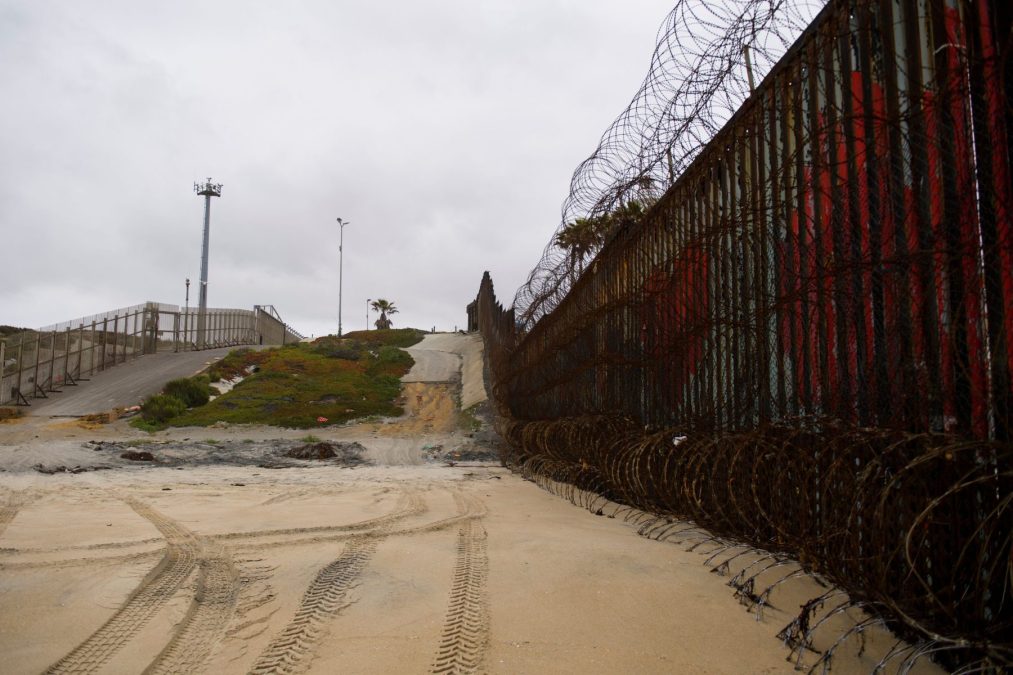
Despite the 60-plus-day shutdown, the Department of Homeland Security is continuing to advance its plans to build a “smart” border wall, according to a top official at Customs and Border Protection.
“It’s not just a barrier,” CBP Commissioner Rodney Scott told lawmakers during a DHS budget hearing Thursday. “A lot of people miss that [it] has technology built into it.”
Part of what makes the border wall “smart” is surveillance towers that use AI and other detection-and-tracking technologies to alert agents when someone is approaching.
The White House’s budget proposal for fiscal 2027 includes $96.6 million to the integrated surveillance towers initiative to support a network totalling 890 autonomous towers, including 95 that are expected to be built in the year to come.
CBP is working to meet that goal.
“We have four vendors now that have passed the autonomy test,” Scott said. “We’re going through a second testing in about a month or two.”
The DHS unit wants to make sure that all the towers are integrated into a centralized system to ensure agents have visibility throughout. Third-party validators and agents are part of the testing process, Scott said.
“Right now, it’s not about signing the contract,” Scott said. “It’s about making sure that the vendors can buy and get the equipment that they need to build the towers.”
The expansive network is years in the making. The fiscal 2024 budget tabbed $174 million to establish a consolidated tower program and procure new tech for the initiative. The fiscal 2025 budget earmarked nearly $102 million for integrated surveillance towers. While still not enacted, the fiscal 2026 budget proposal allocated another $138.7 million to the initiatives.
Vendors are vying for a chance to lock down what could be a lucrative endeavor. CBP, for example, plans to award a contract of $100 million-plus in the third quarter of this year, according to contract documents posted in February that have since been taken down.
One industry player that has been providing surveillance tech to DHS is Anduril, which previously employed current agency CIO Antoine McCord. DHS awarded more than $360 million to Anduril in December for its towers. GDIT is another provider, unveiling new autonomous surveillance towers last month.
CBP’s steady march of progress on its surveillance tower network stands in stark contrast to that of other DHS components amid the agency’s longest shutdown. The Transportation Safety Administration is experiencing tech project delays with research-and-development efforts largely halting. The Federal Emergency Management Agency has also grappled with the impacts of scaled-back operations.
“As far as the border-wall construction goes, we’re ahead of schedule and we’re below budget,” Scott said, pointing to about 50 miles of primary border wall being added.