Lawmakers seek larger DOT role in coordinating state, local roadway tech efforts
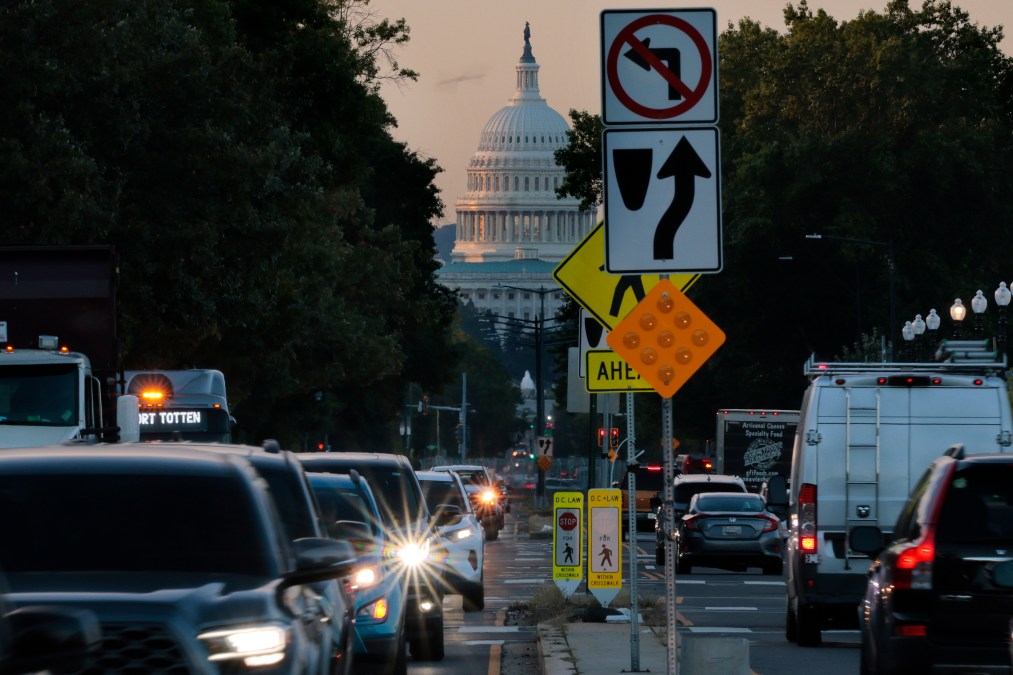
The Department of Transportation would help states pursue data-driven, AI-powered approaches to address driving safety concerns in a more efficient manner under new bicameral, bipartisan legislation.
The Roadway Safety Modernization Act would add clarity for state and local transportation officials by requiring the DOT to develop and distribute related best practices, ensure interoperability of procured tools across federal programs and reduce silos that may hinder the coordination of investments.
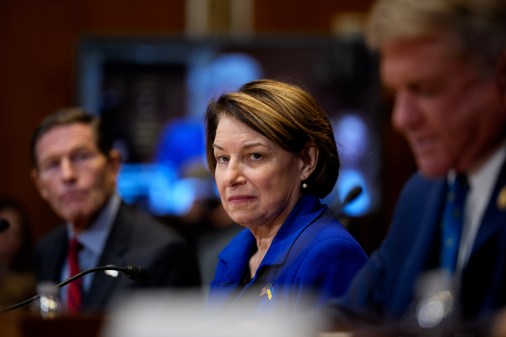
“By clarifying the use of federal safety funds for proven predictive technologies, we can empower states to prevent accidents, make smart investments and save lives,” Sen. John Boozman, R-Ark., said in a press release accompanying the bill text Wednesday. California Democrat Alex Padilla co-sponsored the bill.
The Senate bill has a House companion from Reps. Tracey Mann, R-Kan., and Sharice Davids, D-Kan., that was introduced late last month.
“Too many families know the heartbreak that comes after a crash, and too often our transportation system only reacts once tragedy has already happened,” Davids said in a December press release. “This bipartisan bill helps states use better data and modern technology to identify dangerous roadways before lives are lost.”
The proposed legislation is backed by several advocacy groups, including the Modern Analytics for Roadway Safety Coalition, the National Safety Council, the Governors Highway Safety Association and the Association of Transportation Safety Information Professionals. The Alliance for Automotive Innovation, American Association of State Highway and Transportation Officials and the Intelligent Transportation Society of America also voiced their support for the bill.
The Roadway Safety Modernization Act complements ongoing federal initiatives, such as the National Roadway Safety Strategy, that center around improving safety via modern technologies and workflows.
Modern technology, for example, is helping DOT fight fraudsters, who contribute to dangerous roadways. Efforts are underway to bring AI into the fold to help teams with data analysis and pattern identification to catch unsafe motor vehicles, according to Ankur Saini, CTO at the Federal Motor Carrier Safety Administration.
“We see fraud as folks that should not be on the road,” Saini said at an event in December. “The result is far more devastating than losing money. There’s an empty chair at the dinner table.”
In December, Transportation Secretary Sean Duffy also announced nearly $1 billion in funding to “make roads safer for American families.” Part of the investment will be spent on tech upgrades, such as improving emergency communications, adopting data collection tools and integrating AI.