DHS launches drone-focused office ahead of World Cup, America250
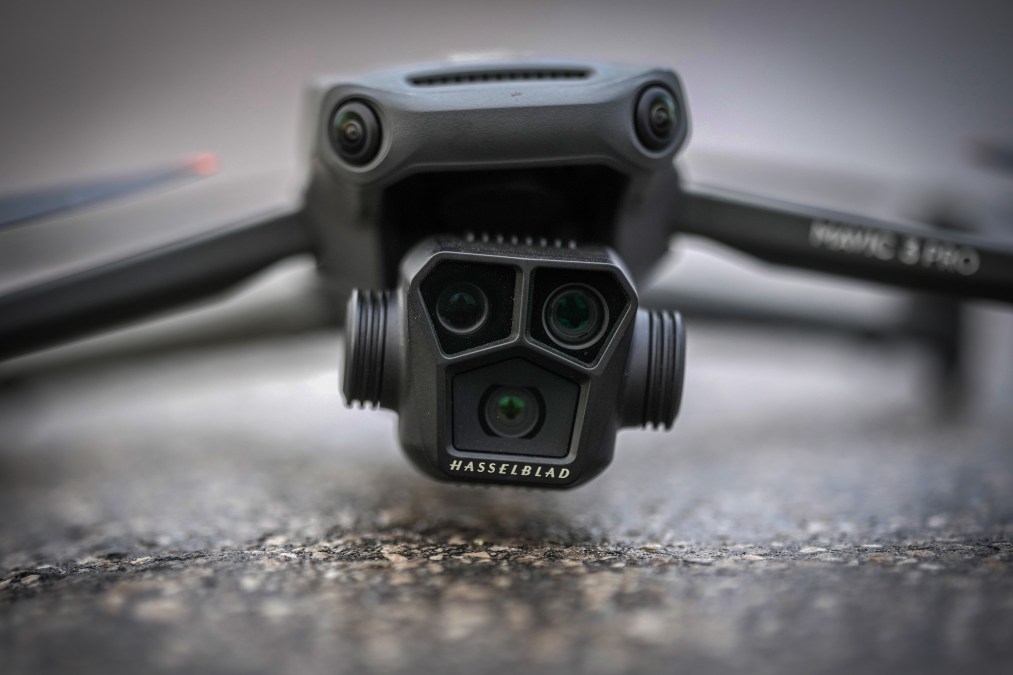
The Department of Homeland Security is launching a new office focused on unmanned aircraft systems that will oversee strategic investments in drone and counter-drone technologies.
“We are entering a new era to defend our air superiority to protect our borders and the interior of the United States,” DHS Secretary Kristi Noem said in the Monday press release. “This will help us continue to secure the border and cripple the cartels, protect our infrastructure, and keep Americans safe as they attend festivities and events during a historic year of America’s 250th birthday and FIFA 2026.”
The creation of the dedicated office builds on preceding efforts to beef up drone and counter-drone technologies.
In December, FEMA awarded $250 million in grants for counter-drone capabilities to the 11 states hosting FIFA World Cup 2026 matches and Washington, D.C. DHS also expanded authorization the same month to allow state and local law enforcement to combat drone threats, according to the announcement.
The department is also fielding proposals from industry partners for a $1.5 billion contract that will facilitate the procurement of these technologies for Customs and Border Protection and Immigration and Customs Enforcement.
The new Program Executive Office has “already begun its work,” according to DHS. The drone-focused entity is finalizing a $115 million investment in counter technologies that will support the two upcoming celebrations.
The funding and focus comes amid heightened risks regarding threat actors’ use of unmanned aircraft systems. DHS said Monday that the agency has conducted 1,500-plus missions to address illicit drone activities since 2018. Unauthorized drones have impeded sporting events, disrupted public gatherings and sparked concern among residents.
Still, advocacy groups want to avoid heavy-handed federal intervention on the public’s drone use.
The American Civil Liberties Union, Center for Democracy & Technology, Electronic Frontier Foundation and Electronic Privacy Information Center outlined several governance practices as part of written testimony for a congressional hearing in May that they believe would protect civil liberties while providing accountability. The group called for limits on data collection and invasive mitigation techniques.
The Senate Judiciary Committee hearing also featured insights from stakeholders in academia, at local levels and in the private sector. Georgetown Law Professor Laura Donohue warned of “troubling” Constitutional concerns with current federal counter-unmanned aircraft system practices.
“To address these issues, counter-UAS laws moving forward should operate within the limits of current Constitutional restraints and set clear boundaries of what information the government may access without warrants,” Donohue said.