House Democrats eye limits on mobile biometric surveillance apps for DHS
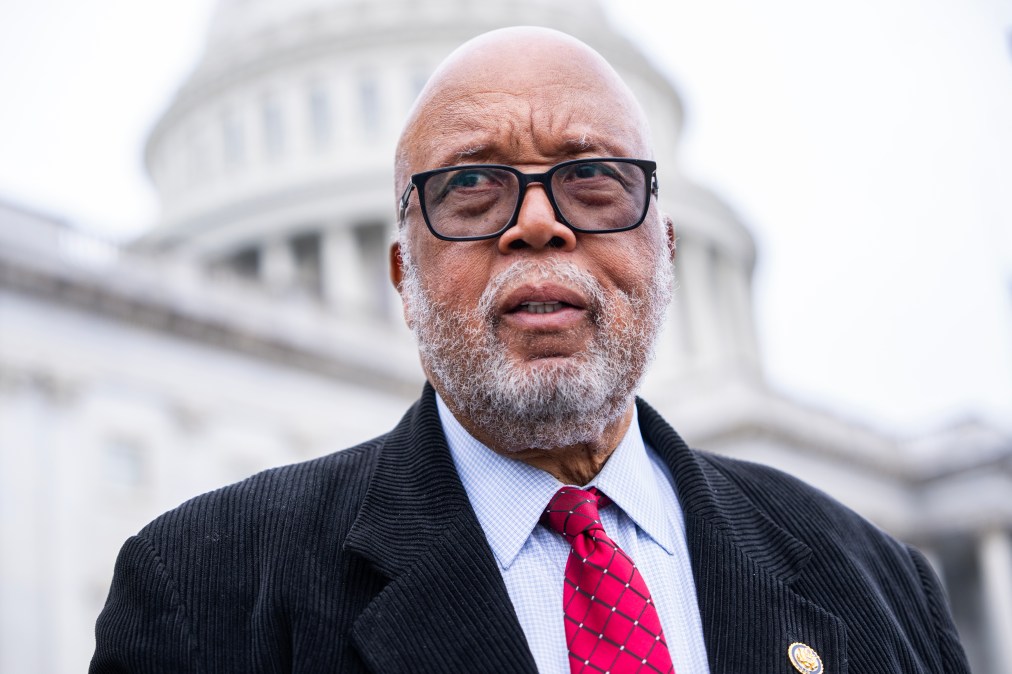
The Department of Homeland Security would need to follow stricter guidelines when using mobile biometric applications under legislation introduced Thursday by the ranking member of the HouseHomeland Security Committee and other Democrats.
The Realigning Mobile Phone Biometrics for American Privacy Protection Act seeks to prohibit the use of such technology except for identification at ports of entry, bars DHS from sharing the apps with non-law enforcement agencies, and implements a 12-hour storage limit on data in the apps.
The legislation points to the DHS app Mobile Fortify, other mobile identification apps and potential successor apps as the prime targets. If the bill gains ground, DHS would need to remove the technology from any non-DHS IT systems and workflows outside the ports of entry.
“DHS should not be conducting surveillance by experimenting with Americans’ faces and fingerprints in the field — especially with unproven and biased technology,” Mississippi’s Bennie Thompson, the top Democrat on the Homeland Security Committee, said in a press release accompanying the bill’s introduction. “We can secure the Homeland and respect the rights and privacy of Americans at the same time.”
The bill’s other co-sponsors are Democratic Reps. Lou Correa of California, Shri Thanedar of Michigan, Yvette Clarke of New York, Grace Meng of New York, and Adriano Espaillat of New York. In written statements, members pointed to concerns around privacy, constitutional violations, civil liberties and the technology’s potential deficiencies.
“Under no circumstances should our federal government install its full faith in an untested, untrustworthy technology with proven biases and dubious capabilities for matters as critical as immigration enforcement,” Clarke said in the press release. “It is past time for Congress to step in and check their negligence.”
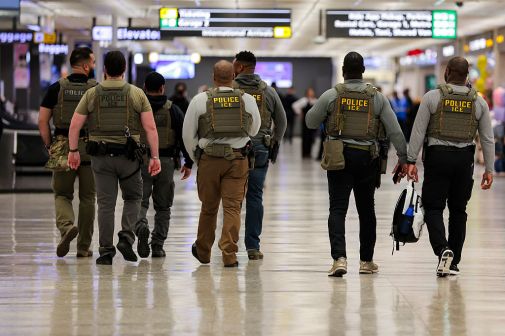
The proposed bill is the latest attempt at curbing DHS’s continued — and expanding — use of biometric and advanced technologies, particularly in immigration-type settings.
Just before the new year, nearly 50 House Democrats pushed back on a DHS proposed rule that would broaden biometric data collection, allowing its reuse across migration and naturalization processes. In the December letter to Homeland Security Secretary Kristi Noem and U.S. Citizenship and Immigration Services Director Joseph Edlow, lawmakers advocated for cybersecurity protections, retention limits, independent auditing and access controls.
Several Senate Democrats in November also brought attention to an unanswered request for information about Immigration and Customs Enforcement deployment of biometric mobile phone applications used for identification. The initial RFI, along with a request to cease use of Mobile Fortify, was first distributed in September.
“Even if ICE’s facial recognition tools were perfectly accurate, these technologies would still pose serious threats to individual privacy and free speech,” the lawmakers said in the September letter to Todd Lyons, ICE’s acting director.