The award would continue “vital” services for six months after expiration of Anthropic’s OneGov deal, per the agency. But contracting experts question the justification.
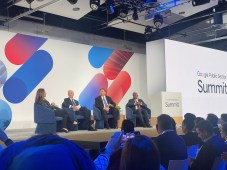
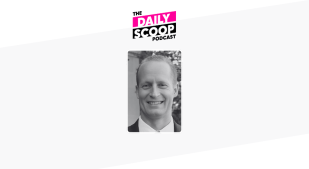
From left to right, Google Public Sector CEO Karen Dahut speaks with GSA Administrator Ed Forst, DOD Undersecretary for Acquisition and Sustainment Michael Duffey and Google Cloud CEO Thomas Kurian at the Google Public Sector Summit on Oct. 20, 2026 in the Ronald Reagan Building and International Trade Center in Washington, D.C.
The American Customer Satisfaction Index showed a decline in how the public views federal services for the first time in four years, following DOGE’s workforce cuts and…
Industry has a big opportunity with the Federal Acquisition Regulation overhaul, along with the opportunity agencies have to more efficiently access new technologies.
The long-awaited clause was issued as a regulation deviation last week, and while some previous commenters are relieved, they still have worries about it in practice.
Four new investments at the departments of State, Agriculture and Transportation aim to speed up permitting and integrate artificial intelligence into the agency’s tech portfolio.
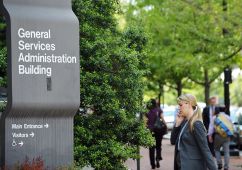
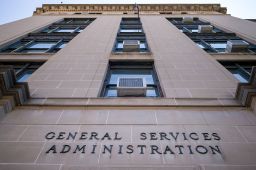
Large lettering hangs on the side of the General Services Administration building on July 23, 2026, in Washington, D.C. (Photo by J. David Ake/Getty Images)
Ahead of formal rulemaking, the General Services Administration issued an artificial intelligence acquisition regulation deviation that can be used immediately, incorporating some public comments.