Darío Gil, former SVP of IBM Research, is seen during the inauguration of Europe’s first IBM Quantum Data Center on Oct. 1, 2024 in Ehningen, Germany. The tech industry veteran now serves as the Energy Department’s under secretary for science and director of the Genesis Mission. (Photo by Thomas Niedermueller/Getty Images)
Officials from NIST, NSF and DOE noted workforce challenges during a hearing to inform the National Quantum Initiative reauthorization efforts in the House.
Sens. Maria Cantwell, D-Wash., and Sen. Todd Young, R-Ind., attend the Senate Commerce, Science and Transportation Committee hearing titled Strengthening Airline Operations and Consumer Protections in Russell Building in February 2023. (Tom Williams/CQ-Roll Call, Inc via Getty Images)
The bipartisan legislation from Sens. Maria Cantwell, D-Wash., and Todd Young, R-Ind., would refresh the federal program for the first time since its 2023 expiration.
President Donald Trump displays an executive order on artificial intelligence he signed at the “Winning the AI Race” AI Summit at the Andrew W. Mellon Auditorium in Washington, DC, on July 23, 2025. (Photo by ANDREW CABALLERO-REYNOLDS / AFP via Getty Images)
The White House released five federal priorities for fiscal year 2027. They come as administration actions face backlash from scientists and researchers.
NEW YORK, NY – APRIL 29: A Microsoft corporate logo hangs on the side of their office building on Eighth Avenue on April 29, 2023, in New York City. (Photo by Gary Hershorn/Getty Images)
The tech giant and government contractor shared a timeline for fortifying its systems against future quantum threats Wednesday. Early adoption is estimated for 2029.
The support also comes as House lawmakers introduced a bill that would amend the National Quantum Initiative Act to add a “sandbox” for the tech at NIST.
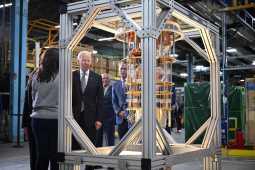
US President Joe Biden looks at a quantum computer as he tours the IBM facility in Poughkeepsie, New York, on October 6, 2022. (Photo by MANDEL NGAN/AFP via Getty Images).
Prioritizing systems, working toward “crypto agility,” and procuring compliant tools are among the actions officials highlight for post-quantum cryptography readiness.