TSA intends to revise biometric data collection
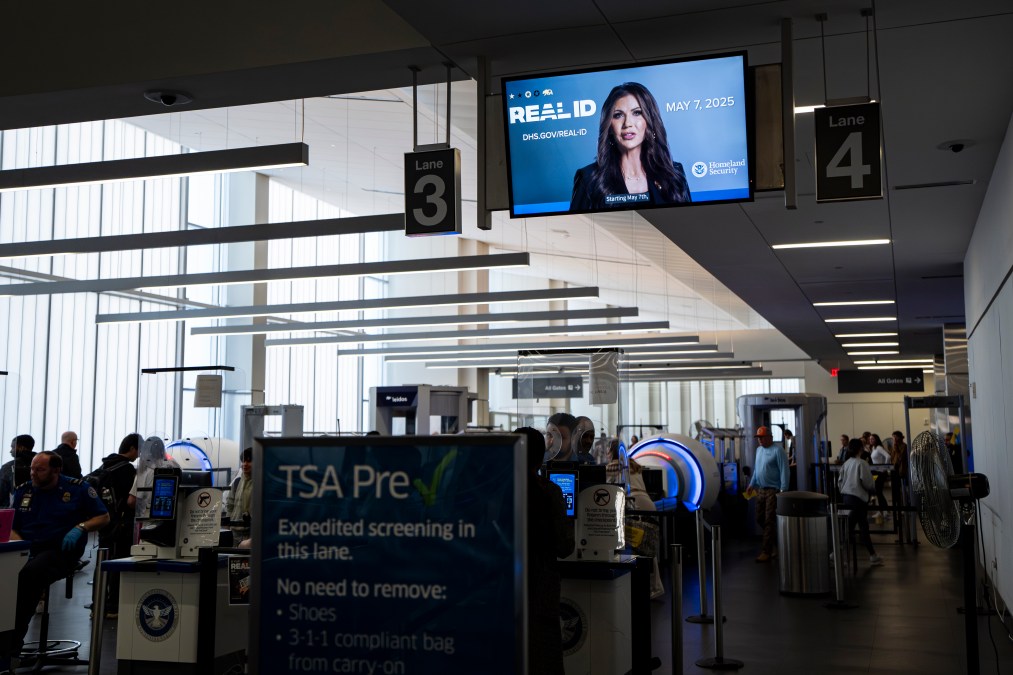
The Transportation Security Administration is looking to revise its biometric data collection and storage practices, according to a notice posted last week in the Federal Register.
TSA is considering an expansion of voluntary biometric screening, centralization of account management for travelers and reuse of biometric data across programs, such as with Customs and Border Protection’s Global Entry program. These changes will primarily impact TSA PreCheck applicants and users.
The changes are aimed at enhancing customer experience and data management, TSA said in the request for public comments. TSA is particularly interested in insights about improving the quality, utility and clarity of collected information, as well as minimizing the burden of information collection.
The 55-day inquiry will stay open until March 16.
The Department of Homeland Security and TSA continue to tweak and expand their biometric-based processes — despite concerns. While biometric tools can improve speed and efficiency, private-sector advocates and lawmakers warn of safety and security challenges.
In 2024, a dozen senators asked DHS to investigate TSA’s facial recognition technology as it began to spread across airports, citing a lack of safeguards and oversight. The push extended into 2025 as senators introduced the Traveler Privacy Protection Act to scale back biometric data collection at airports.
House lawmakers have also voiced concern about TSA’s implementation of biometric identification.
“As TSA continues to adopt biometric identification technologies and leverage artificial intelligence to enhance screening procedures, it is imperative that Congress evaluates the cost-effectiveness, operational impact, and privacy implications of these advanced tools,” a pair of Republican congressmen said last year in a letter to Gene Dodaro, comptroller general and head of the Government Accountability Office.
TSA’s use of the tools is on the rise. The agency on Tuesday rolled out advanced facial comparison technology, called TSA PreCheck Touchless ID, at Boston Logan International Airport.
“We are excited to offer this cutting-edge option to our travelers, reducing wait times and leading to a more streamlined security screening process,” Bob Allison, TSA’s federal security director for Massachusetts, said in a press release.
As part of the Senate Appropriations Committee’s latest minibus released Tuesday, TSA is expected to receive $10.1 billion, in part for the “installation of the world’s most advanced 3D-imaging and biometric technology.” The Homeland Security Appropriations Act also includes $25 million that will go toward an updated biometric data system for departmentwide use.