Peraton to oversee multi-billion dollar FAA air traffic control modernization
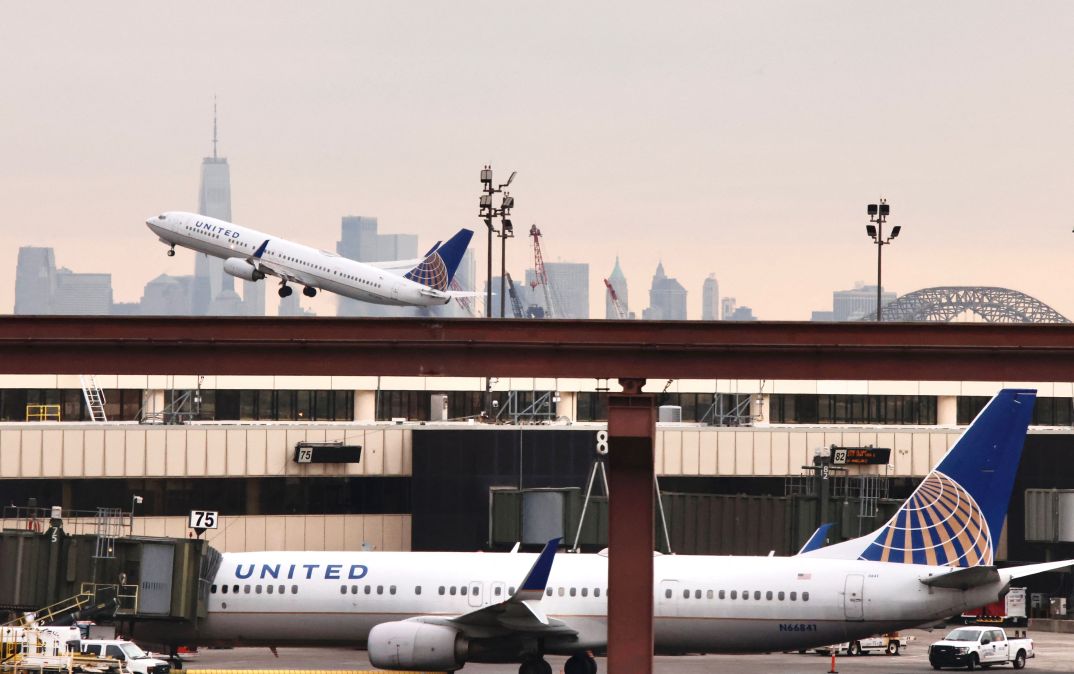
Peraton has emerged as the winner to overhaul the air traffic control system, securing a contract to oversee the multi-billion-dollar project with the Federal Aviation Administration.
In an announcement Thursday night, the FAA said the Virginia-based technology firm will be the integrator for the project. Initial funding includes a $12.5 billion infusion from Congress as part of the One Big Beautiful Bill earlier this year, but the agency is eyeing billions more to complete the project.
FAA Administrator Bryan Bedford said an additional $20 billion will be needed to finish the modernization effort.
“This is a long-term investment in the future of air travel, and we’re committed to getting it right,” Bedford said in a statement included in the release.
According to the agency, Peraton had capabilities that matched the needs of the project, including “integrating complex tech platforms and successful collaboration with federal government agencies.”
The project is planned to take just three years.
“Our highly-skilled, dedicated, and talented team of engineers, technologists, and mission experts stands ready to hit the ground running to deliver a system Americans can count on — one that is more secure, more reliable, and a model for the world to follow,” Steve Schorer, Peraton’s chairman, president and CEO, said in a written statement.
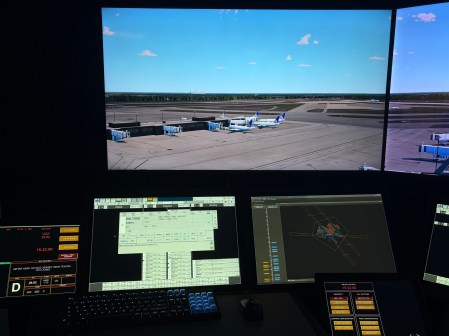
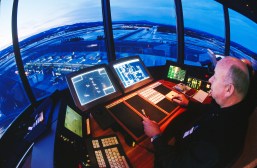
The FAA’s search for an integrator for the modernization effort began earlier this year and came amid concerns over its aging air traffic control systems. The issues with the existing infrastructure range from IT outages that cause travel delays to the continued use of antiquated technology, such as floppy disks.
In a public appearance in September, Bedford said the current system is “failing every day.”
Shortly after the comment period ended, Reuters reported the competition was between two firms: Peraton and Parsons, which submitted its bid with IBM. While Parsons appeared optimistic about its bid on an earnings call last month, and said it was ready to deliver results by the end of 2028, Peraton ultimately won out.
In response to the decision, Parsons spokesman Bryce McDevitt noted the company’s existing work with the agency.
“Having supported the FAA for nearly 50 years, Parsons proposed a solution based on our understanding of the national airspace mission that aligned with the responsibility we have to our shareholders and employees,” McDevitt said. “We stand ready to support the FAA on our existing contracts and expand our role as an implementation partner.”
While the FAA said its current system is safe, it explained in the release that modernization is needed to address old equipment that causes delays.
“To maintain safety, we slow flights when equipment failures occur,” the announcement said. “The FAA is experiencing significantly more equipment issues today than in the past.”
Technology being updated during the project includes telecommunications networks, radar, software and hardware. Among the initial priorities: replacing the remaining copper wire with fiber and creating a new digital command center.
Transportation Secretary Sean Duffy said in a written statement Thursday that the department was “thrilled” to work with Peraton, noting that the company shares “President Trump’s drive to modernize our skies safely at record speed.”
“Working together,” Duffy said, “we are going to build on the incredible progress we’ve already made and deliver a state-of-the-art air traffic control system that the American traveling public — and our hard-working air traffic controllers — deserve.”
This story was updated Dec. 16, 2025, to correct the award amount.