OIG dings GAO over documentation of evolving IT modernization strategy
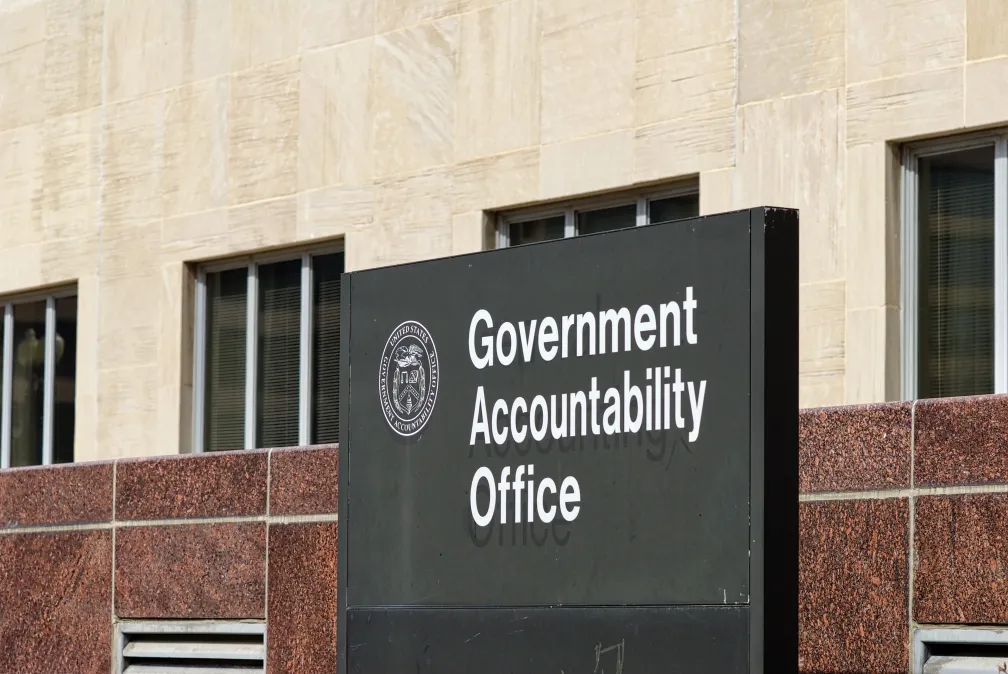
A five-year plan to modernize Government Accountability Office IT systems quietly morphed into an open-ended strategy, a decision that left some staffers in the dark, according to an Office of Inspector General report released Friday.
The GAO in fiscal 2021 launched a three-phased modernization plan that would cost roughly $29 million over the course of five years to implement. The strategy also folded in ongoing efforts at the congressional watchdog to level up its IT.
Initial estimates pegged the plan to be completed by this September, but the GAO’s chief information officer and its former acting IT chief told the OIG that the plan “was no longer actively in use” when they started their roles in 2023.
“Instead, officials explained that their focus was on managing the individual modernization efforts that were then ongoing and explained the initiatives from the plan aligned well with ongoing efforts as evidenced by the status of the plan initiatives,” the report said.
The GAO has made plenty of progress on the initiatives laid out in the initial plan, completing 39 out of 61 measures as of May. The watchdog is still working on 14 projects, while another six have been paused, one has been canceled and one was replaced.
Despite the GAO’s momentum in checking boxes off the IT project list, the OIG said the “decision to evolve” from the initial plan — which the independent agency paid a contractor $1 million to develop — should have been more clearly documented given that fell under the category of “significant events.”
Paired with staff turnover, that decision, which OIG said was made less than 18 months after the plan was finalized, meant that “senior executives responsible for IT modernization were unaware of the decision-making process used to transition from the plan.”
“GAO officials acknowledged that the decision could have been better documented,” the report stated.
In addition to the lack of communication on shifting modernization plans, the OIG found room for improvement on how the GAO tracks IT costs. The latter watchdog told the former watchdog that it does have a system for monitoring such costs, but “some smaller initiatives were tracked as activities under larger projects that were not solely related to the plan.”
“While the IT modernization plan initially identified the total cost of the initiatives as $29 million, it would be difficult for GAO to determine the total costs for the initiatives undertaken in accordance with the plan,” the OIG wrote. “GAO is responsible for reporting quality information to stakeholders in a timely manner and improved controls would help ensure more effective reporting for future efforts.”
The OIG delivered two recommendations to the GAO’s chief operating officer: make sure major decisions are well-documented, and create controls that ensure quality tracking of future IT projects. The GAO agreed with both suggestions and provided the OIG with details on how it planned to address them.