IT cuts led to delays in IRS’s processing of paper returns, GAO finds
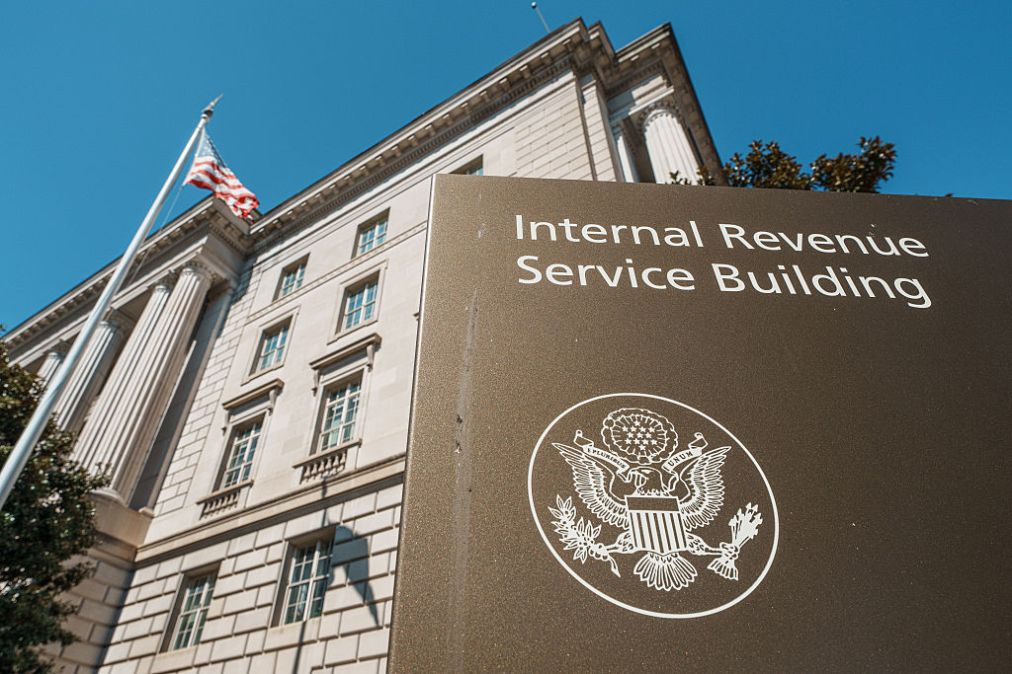
Taxpayers felt a slowdown in the IRS’s processing of paper returns this filing season due in part to a reduction in experienced IT acquisition staff, according to a watchdog report released Monday.
Despite a 19% year-over-year decrease in the number of paper returns it received, the tax agency processed 46% fewer individual paper returns and 80% fewer business paper returns over the same time period, the Government Accountability Office found.
A March report from the watchdog predicted the delays, flagging that the agency’s “critical systems for processing and scanning paper tax documents would be unavailable at the start of the 2026 filing season and that IRS would rely on vendors to mitigate the issue.”
Per IRS officials, the system to process individual paper returns was unavailable for the first six weeks of 2026, while the scanning system for business paper returns was out of commission for the entirety of the most recent filing season.
“They told us that these systems were not ready for the filing season start due to the recent loss of experienced IT acquisition staff, which delayed the timely submission of procurement requirements needed to implement programming updates for the new tax law changes and transition to disbursing refunds only through digital payment options (e.g., direct deposit),” the GAO wrote.
The IRS’s IT department has shrunk 42% since the beginning of the second Trump administration, according to a June report from the Treasury Inspector General for Tax Administration.
With the outflux of IT professionals, the IRS “sent more inventory than planned” to vendors it tapped to scan paper returns, which the GAO noted was part of the agency’s overarching digitization strategy. The IRS sent 3.7 million business paper returns to outside vendors alone, a 725% year-over-year jump. Vendors ended up processing more than four times the number of business paper returns than agency staff, the report stated.
Overall, the IRS labored through the 2026 filing season with a submission processing unit 18% smaller than what it was in 2025; officials told the GAO they would “continue to hire and onboard new staff into May 2026.”
“As a result of these challenges, IRS took longer to process paper returns,” the report said, adding that although the 30-day average processing time in 2026 was down from the COVID-impacted 2021 and 2022 seasons, “it exceeded IRS’s policy to process individual paper returns within 13 working days.”
The GAO’s findings throw some cold water on Frank Bisignano’s braggadocio about the agency’s 2026 performance; the IRS CEO told Senate Finance Committee members in April that technology paved the way for the “most successful filing season” in history.
The IRS did continue its trend of pushing taxpayers toward electronic filing, with roughly 98% of individual returns and more than 84% of business returns filed digitally. And the agency’s online self-service tools saw surging rates of usage. The IRS’s “Where’s My Refund?” tool, for example, experienced a 9% uptick in visits (317 million) from 2025.