DOT reorganizes FAA to support modernization, other goals
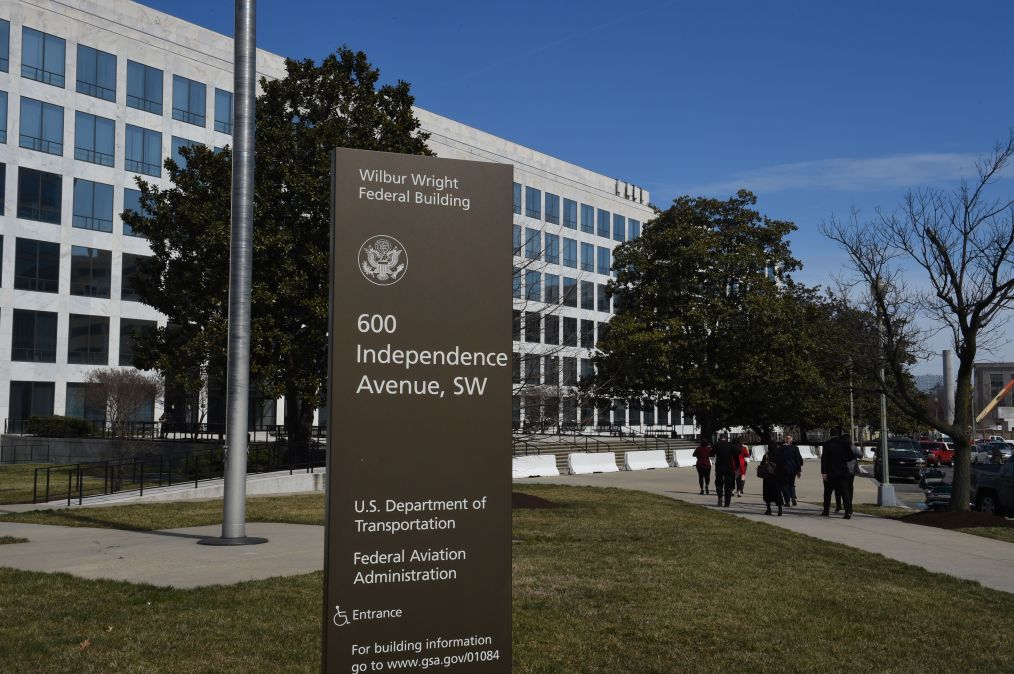
Department of Transportation Secretary Sean Duffy and Federal Aviation Administration Administrator Bryan Bedford unveiled plans Monday to reorganize the FAA in an attempt to remove silos, support modernization goals and streamline operations.
“It’s important that we have the right people in the right places to do the best work possible,” Bedford said in a statement. “These actions will put permanent leaders in place who embrace innovation, share safety data and insights freely and are focused on deploying a brand-new air traffic control system all while integrating key innovation technologies into the new National Airspace System.”
The plans include launching an office of Airspace Modernization to ensure the air traffic control system is installed and creating an Advanced Aviation Technologies office to oversee integration of drones and other tools. The FAA will also consolidate the management of finance, IT and human resource divisions under the administrator.
“The restructuring will not result in reductions in force,” according to the press release, which described the reorganization as “overdue” and “the largest in the agency’s history.”
The overhaul comes as modernization efforts continue to ramp up.
Earlier this month, the FAA chose two partners to help replace more than 600 radars as part of its air traffic control transformation plan. Last month, Bedford testified before lawmakers in his first appearance before Congress since being sworn into office in July. He said the FAA was on track to commit about half of its $12.5 billion budget — as allocated by the One Big Beautiful Bill Act — by the end of 2025. Duffy and Bedford took to the Hill that same week to garner support for an additional $20 billion.
The reorg is the latest step in fulfilling the modernization goals, according to DOT officials.
“Funding is only one piece of the puzzle,” Duffy said in the Monday press release. “With these critical organizational changes, the FAA can streamline the bureaucracy, encourage innovation, and deliver a new air traffic control system at the speed of Trump — all while enhancing safety.”
This story was updated March 17, 2026, to insert the correct subheadline.