GAO IDs up to $251 billion in cost savings across agencies
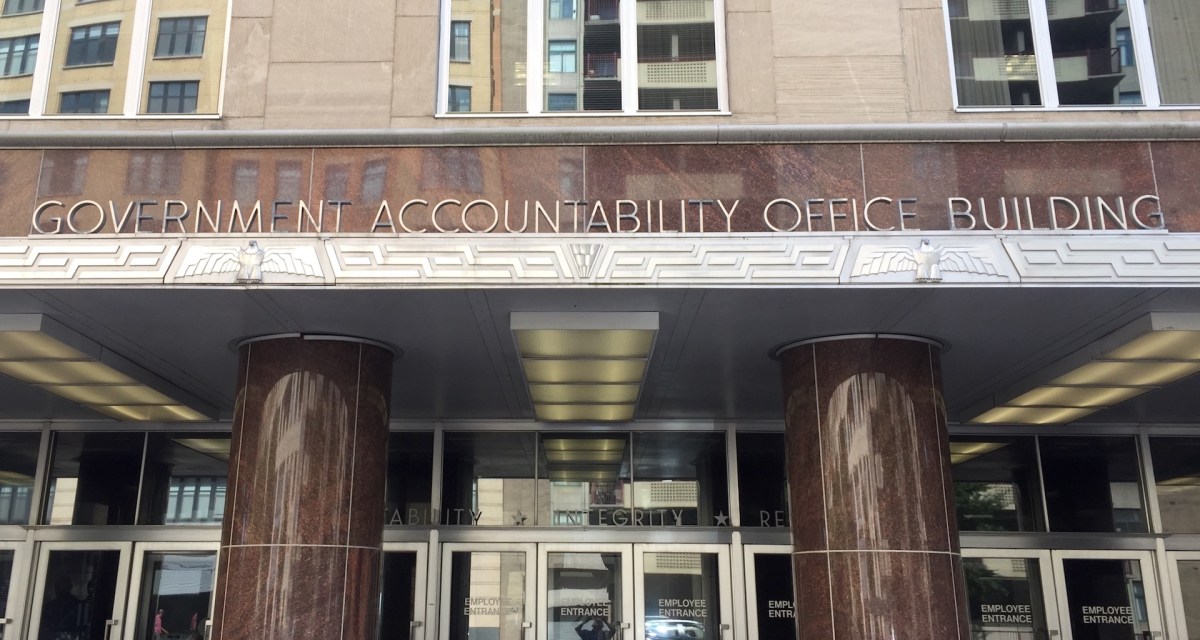
When the Government Accountability Office released its 15th annual cost-savings report to Congress last year, the Trump administration and Elon Musk’s DOGE were in the midst of a wrecking-ball-esque project to overhaul federal agencies as a means to supposedly root out waste, fraud and abuse. The watchdog presented $100 billion in savings opportunities to the administration on a platter.
In the year since, DOGE got quieter — and more spread out — following Musk’s departure, and the GAO found even more financial benefits to be had.
Released Tuesday, the GAO’s 16th annual report on duplicative or fragmented federal programs details how Congress and agencies could reach between $132 billion and $251 billion in future savings.
“We’ve already shown that these recommendations can deliver real results—hundreds of billions in savings and improved services,” acting Comptroller General Orice W. Brown said in a statement. “What this work makes clear is that even more is within reach if additional recommendations are implemented.”
The independent watchdog — which warded off an attempt by DOGE a year ago to set up a team within the nonpartisan body — has begun releasing reports involving the Musk-created group. That ongoing work is separate from Tuesday’s release, in which the GAO specifically highlights “how the federal government can reduce costs, boost revenues, and operate more efficiently.”
The tens of billions in potential cost-savings — which piggybacks off the $774 billion in financial benefits since 2011 linked to the GAO’s work — comes largely from existing and 97 new recommendations for Congress and federal agencies.
Jessica Lucas-Judy, director of strategic issues at the GAO, said in an interview with FedScoop that the watchdog continues to have “good relationships” with agencies and they “continue to be responsive” to its recommendations. About 77% of GAO’s recommendations from 2011 to 2026 in “duplication and cost-savings” work have been implemented, Lucas-Judy said, with more than 70 having been implemented since last year’s report.
Despite pointed attacks on the agency from the White House and budget drama over the past year, Lucas-Judy said the GAO’s work “hasn’t changed.”
“GAO continues to do audits. We continue to look for ways to make the government more efficient, more effective,” she said.
In 2025 alone, the watchdog delivered 1,800 new recommendations. There were 24 identified in the annual report that the GAO said had potential financial benefits of $1 billion or more.
For example, the GAO pushed the Department of Veterans Affairs and the Department of Defense to evaluate existing agreements for sharing healthcare resources. There may be more opportunities to “manage fragmented services,” leading in part to the possibility of saving tens of millions of dollars per year.
The GAO also reiterated its belief that there should be a coordinated governmentwide strategy to combat scams. An anti-scam plan led by the FBI would serve to bolster agencies’ abilities to prevent and detect fraud, in addition to cutting down on “fragmented and overlapping efforts.”
There’s also plenty of money to be saved across agencies in IT. The report highlighted low-hanging fruit involving the Department of Homeland Security’s human resources IT, which is working to consolidate duplicative systems and phase out paper-based processes but still suffers from “gaps in its portfolio management practices.”
The watchdog also pushed the Office of Management and Budget and the General Services Administration to team up on shared-service oversight to “ensure that agencies are not duplicating services.” If done properly, the collaborative effort could save the government tens of millions of dollars over three years, the report said.
The GAO is also pushing agencies to do more to prevent or address improper payments — an area that has seen some momentum during the Trump administration. Beyond that, Lucas-Judy said it’s “business as usual” at the watchdog.
“There tends to be pushback on audits in general, but there are relationships with the agencies that we audit and with the congressional committees that we work with,” she said. It “sort of ebbs and flows over time, and that hasn’t changed.”