Interior Department finding momentum with modernization
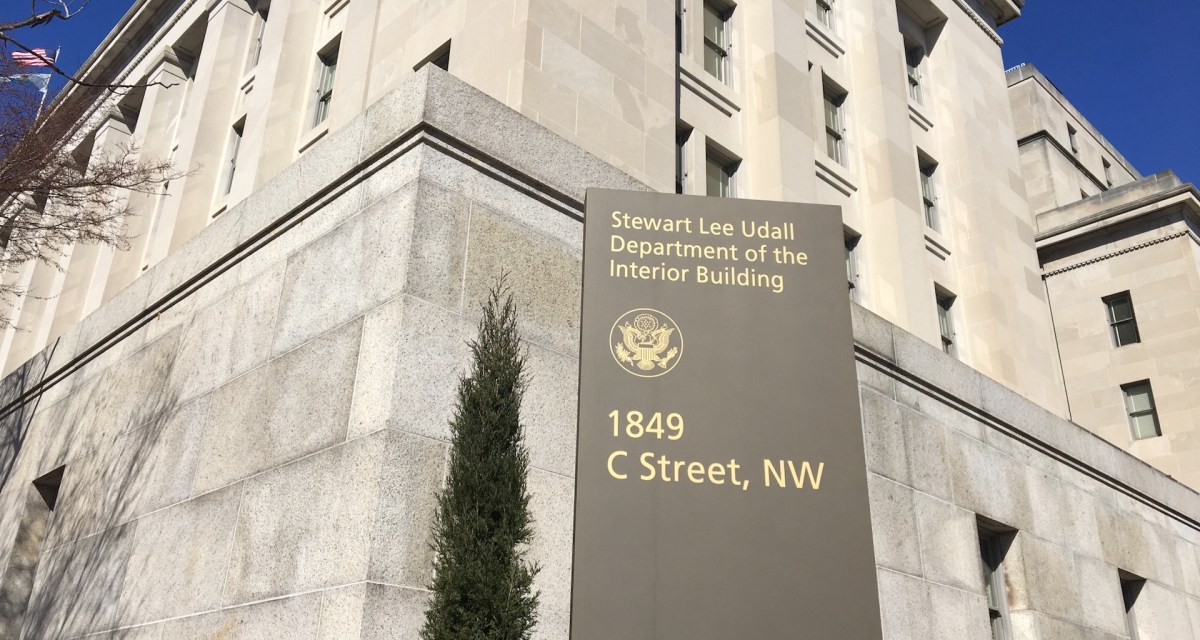
The Department of Interior is taking a tech-forward approach to its contracting processes, a senior official said last week, part of an overarching agency-wide embrace of modernization.
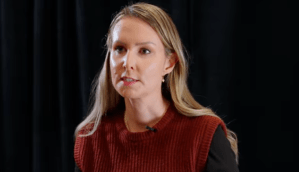
Speaking at an Atlassian event in Washington, D.C., Interior’s Andrea Brandon said the agency has added three bots — referred to internally as Bob, Bobby and Oz — to its contracting workflows. The RPA tools are designed to ease cumbersome tasks and streamline the process, such as tracking small business goals across categories and modifying token additions, according to Brandon, Interior’s deputy assistant secretary for budget, finance, grants and acquisition.
“We are having a really good time with our bots and naming them,” Brandon said. “It actually really helps engage the workforce.”
In addition to incorporating bots in procurement and contracting processes, Interior is exploring emerging technologies, such as generative AI and blockchain, as well as building off lessons learned from other agencies. The Department of Homeland Security has a well-known procurement innovation lab that DOI has found fruitful for its own endeavors.
“We, as a federal agency, went over to their innovation lab to see what they had going on,” Brandon said. “It was a very good, collaborative experience. We can all benefit from the different things that other federal agencies have going on.”
Interior’s IT roadmap is also based on stakeholder feedback via vendor responses to requests for information, guidance from its executive steering committee and other avenues.
“We take a look at that feedback pretty regularly, and we look for consistent themes across it,” Brandon said. “It helps us build our vision for moving forward, or it helps us tweak some of the curses that we have. … If they tell us the system’s really bad and [we] really need to upgrade the system, that’s positive for us.”
The agency uses that feedback to build stronger cases for technology projects in its budget formulations.
Alignment, miscalculations
As it finds momentum with modernization, DOI is still honing internal alignment.
The agency has faced hiccups along the way. Notably, an audit found that the Interior had misclassified $40 million worth of IT purchases during fiscal years 2022 to 2024, increasing the odds of redundant purchases, breach risks and other vulnerabilities, according to the inspector general report.
When the review was released in September 2025, changes were already underway. Interior was working to centralize its IT infrastructure and compliance functions across the department, as directed by an order from the secretary posted in April.
“We’re actually getting everybody acclimated to being at headquarters level, because that’s a little different than being at the bureau level,” Brandon said of the cultural change facing workers.
Like other agencies, Interior is in the midst of an emerging tech push while feeling the pressure to do more with less, cut costs and unlock efficiencies.
The agency lost more than 6,000 workers last year, and it has seen its workforce reduced by another 7,400 in the first two months of this year, according to OPM’s federal workforce data. Of those, more than 500 held an IT management position.
A number of the 200-plus use cases listed in the agency’s AI inventory are said to help lower costs or lessen manual labor needs. One tool identified by the DOI is being used to inspect and remove blank pages associated with litigation preparation, aiming to lower costs for records storage and removing the need for staff to complete the task. Another use case is said to have “reduced manual labor cost” via AI-powered identification of responsive documents.
Brandon said the agency is “on top of” the qualitative type of measurements needed to track success of investments in IT, but there is room for improvement elsewhere.
“As far as quantitative, like looking for key performance indicators and actually measuring them, I don’t know that anywhere is quite there yet,” Brandon said. “That’s something we need to address.”