NNSA leans on TMF funds to make progress on Genesis Mission goals
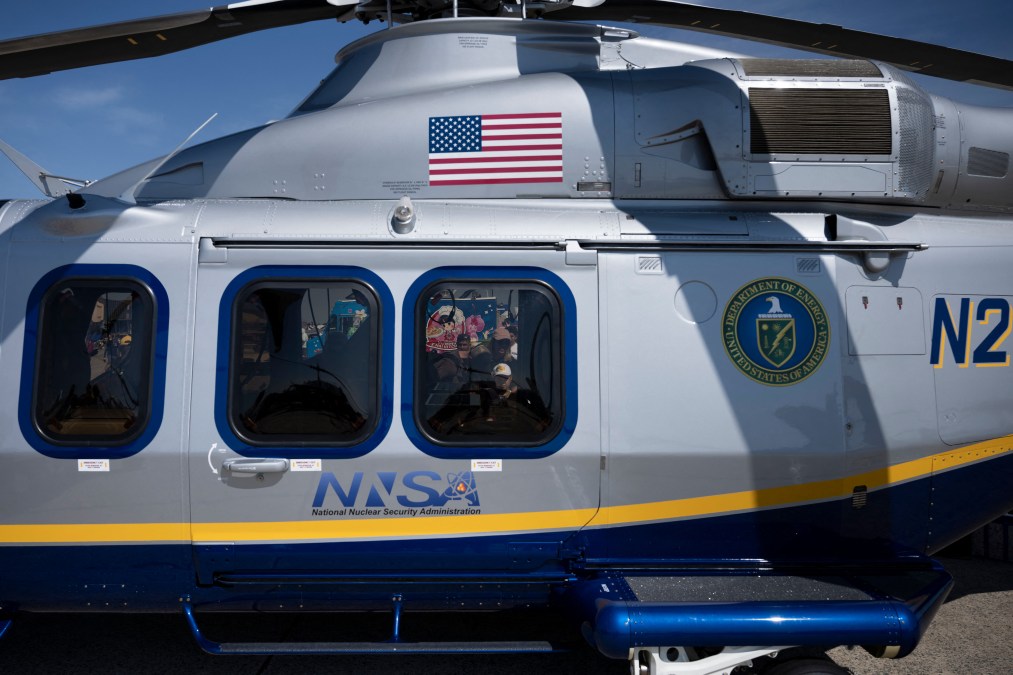
The Department of Energy’s National Nuclear Security Administration is moving forward on several modernization and AI projects with help from the Technology Modernization Fund.
The more than $28 million investment will go toward three main initiatives: implementing machine learning to track fire boundaries and enable data sharing between systems for NNSA’s FireGuard program; migrating its Turbo FRMAC radiological assessment tool to a cloud-based platform; and improving AI infrastructure to mitigate nuclear-security threats and enhance its cybersecurity posture.
“It’s exciting to have another set of projects funded by the Technology Modernization Fund,” NNSA CIO James Wolff said in a LinkedIn post Tuesday, days before the funding vehicle is set to expire. “TMF has given us the chance to accelerate mission critical work while also improving the technology infrastructure for the Genesis Mission.”
NNSA was quick to mobilize after a Trump administration executive order last month launched a national AI effort dubbed the Genesis Mission, which put the DOE at the helm of the majority of the efforts. NNSA issued a request for information the following week, seeking input from experts about integrating AI capabilities into critical operations.
“This RFI is a critical step in harnessing the immense power of AI to enact the White House’s vision for America to lead in every aspect of AI,” NNSA Administrator Brandon Williams said in a statement last week.
TMF funds are now part of the strategic puzzle, too.
“After months in development and in alignment with all Congressional appropriation requirements, this investment was presented to the TMF board on November 18 and, after following normal procedural reviews, was published to the TMF website on December 4, 2025,” a General Services Administration spokesperson told FedScoop. “It is a 100% repayment investment.”
The DOE has worked closely with TMF in years past. The department used investments to consolidate HR systems and transition to a SaaS platform, starting in 2024. It also leaned on TMF funds to migrate nearly 16,000 mailboxes to the cloud, a project that began in 2018.
TMF was created in 2017 to fund technology projects across the federal government. Notable initiatives include its investment in modernizing Customs and Border Protection’s legacy COBOL collection system, helping the National Institute of Standards and Technology accelerate AI evaluations and redeveloping the Weather.gov website and API for the Commerce Department’s National Oceanic and Atmospheric Administration.
The fund’s future is uncertain, however, as its Friday expiration date looms, despite bipartisan support for its reauthorization.
Jessie Posilkin, TMF’s acting executive director, said in a Tuesday LinkedIn post that the organization has evolved processes to better meet the needs of agencies and departments despite having “a third as many staff as we did this time last year.”
“We’ll be able to share how they are saving time and money, and then reuse these funds to invest in projects when we’re reauthorized,” Posilkin said of the NNSA initiatives.