SSA hasn’t marked living people as dead in database, commissioner says
A plan reportedly hatched by DOGE and the Department of Homeland Security to add millions of living individuals to the Death Master File hasn’t materialized at the Social Security Administration, its commissioner told lawmakers Wednesday.
A whistleblower complaint from a former SSA career official detailed discussions led by DOGE and DHS to target undocumented immigrants by marking 2.7 million people as dead in the SSA database of death records.
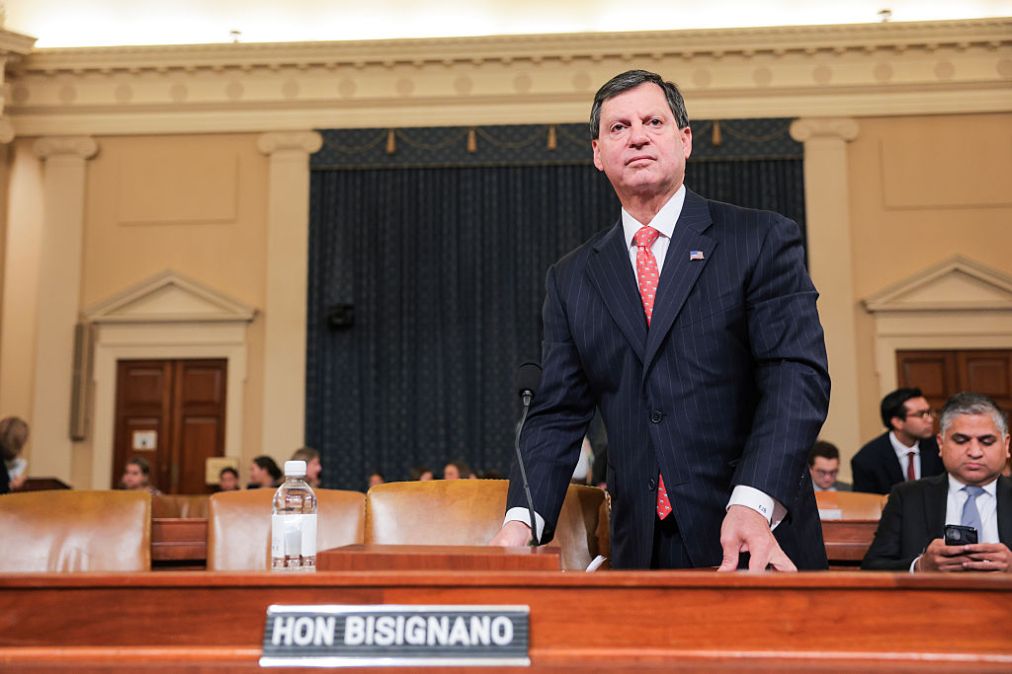
During a House Ways and Means Joint Social Security and Work & Welfare Subcommittee hearing, Rep. Ron Estes, R-Kan., asked SSA chief Frank Bisignano if the agency has “knowingly” added living individuals to the Death Master File.
“We are not, and from the day I’ve been here, we haven’t added people to [the] Death Master File who are living,” Bisignano said.
Estes, who chairs the Social Security subcommittee, followed up by asking Bisignano if there are “any plans to do that in the future.”
“No,” the SSA head said. “No, sir.”
In his whistleblower declaration, Jeremiah Schofield, who spent more than 25 years at the SSA, said he “was asked to develop a strategic approach to ‘killing off’” individuals’ Social Security records. The directive from DHS would essentially eliminate people from SSA’s Numident system and add them to the Death Master File.
According to Schofield, DOGE associate Jon Koval said on a call that marking people as dead in SSA systems “would have two possible outcomes, either of which would be welcomed by DHS.”
“The result would either be (1) that the lives of these individuals would be ruined because of the real-life hardship that results from being ‘killed’ in SSA systems and they would be driven to ‘self-deport,’ or (2) they would have to go to a local Social Security office, at which point SSA field office staff would send them to DHS offices where ICE or USCIS would detain them for deportation,” Schofield recounted.
Sens. Elizabeth Warren, D-Mass., and Richard Blumenthal, D-Conn., sent a letter to Bisignano last week asking if the plan had been implemented, while also requesting details about the specific agency databases that the DOGE team accessed.
The whistleblower complaint wasn’t addressed again during Wednesday’s hearing, but Bisignano did speak generally about some of the work SSA has done around Numident. The commissioner told Estes that the agency created two new positions to manage the database, which contains the personal information for anyone who has ever had a Social Security number.
The new heads of risk management and cybersecurity and resiliency, both career executives, have been tasked with making sure the data exchanges are “as pristine as possible,” Bisignano said.
“It’s really been a heroic effort by the team, which I think ensures our data integrity and our data accuracy,” he added.