Social Security database added to Treasury’s fraud-checking system
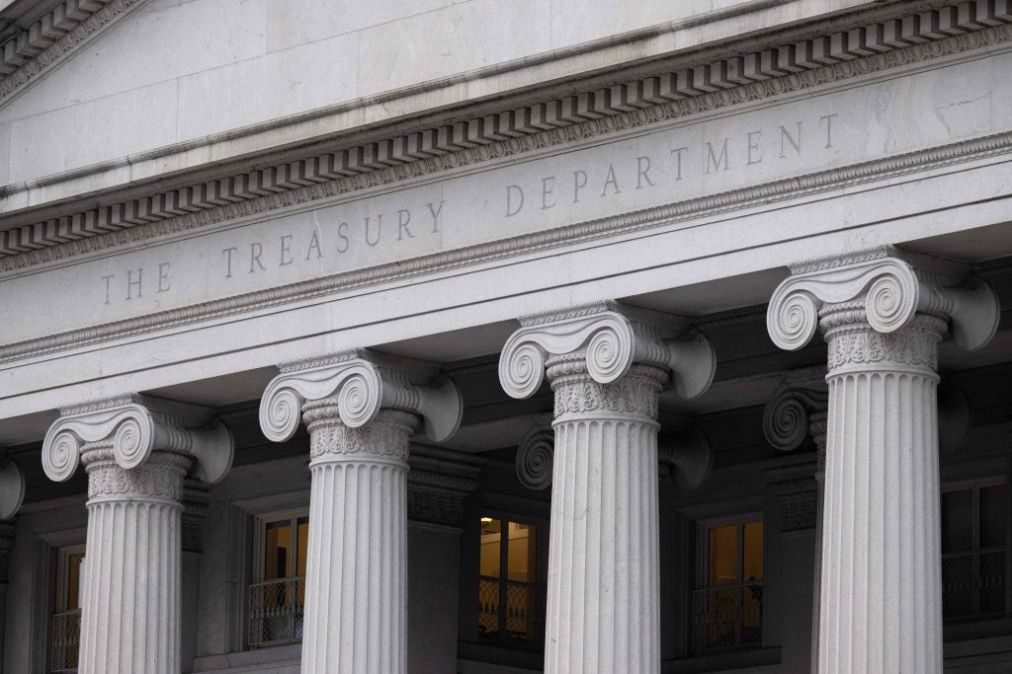
The Treasury Department has added a massive Social Security Administration database to the online tool it offers to agencies or states to verify the eligibility of people or organizations seeking federal money.
The department said in a post to the Federal Register on Friday that SSA’s Numident database — which houses the records of every person who has been assigned a Social Security number — would be available through Treasury’s Do Not Pay system “effective immediately.”
Treasury’s determination to make Numident data available to Do Not Pay users came at the conclusion of a two-month comment period; the agency said it received “three responsive comments on the proposed designation.”
“The commenters all expressed support for the use of SSA’s Numident to strengthen the integrity of Federal funds disbursements in health or income maintenance programs,” the post said.
Numident data will only be available to verify names, Social Security numbers, and the dates of birth for people seeking payments or awards via health or income programs with federal funding, according to Treasury.
The Numident decision comes on the heels of a three-year pilot program that provided Do Not Pay users with access to the SSA’s Death Master File. The Government Accountability Office said in a February report that the program saved millions, and President Donald Trump signed a law to permanently authorize SSA to share its death data with Treasury.
How the Social Security Administration has handled Numident and other agency data has come under fire in the Trump era, with multiple lawsuits filed against the administration over DOGE’s access to SSA data.
Last summer, SSA’s former chief data officer filed a whistleblower complaint that alleged that DOGE representatives uploaded the Numident database to a “vulnerable” custom cloud environment, a move that he said put the personal information of more than 300 million people at risk. In January, the Republican and Democratic leaders of the Senate Finance Committee demanded answers from SSA chief Frank Bisignano on how the agency is protecting personally identifiable information.
At the Treasury Department, meanwhile, Do Not Pay has long been touted as a major success in fighting waste, fraud and abuse. According to the agency, Do Not Pay helped agencies “prevent, detect, and recover” $11.7 billion in potential fraud and improper payments in fiscal 2025 alone.
Justin Marsico, assistant commissioner for fraud prevention and financial integrity at the Treasury Department’s Bureau of Fiscal Service, said during a January FedInsider webinar that the agency was engaged in “a lot of administrative work” to acquire more datasets.
Renata Miskell, Treasury’s deputy assistant secretary for accounting policy and financial transparency, told lawmakers earlier that month that Do Not Pay had been significantly “underutilized” because it lacked “sufficient authority to access key federal databases.”
“One of the pieces that we are missing is the ability to ping authoritative federal databases to confirm a pay ID, such as a tax identification number or Social Security number,” Miskell said at the time. “We already received the data, we just can’t verify it. So there are a number of databases that would help.”