TSA official blames shutdown for stalled tech efforts, praises ICE for airport assists
As the shutdown of the Department of Homeland Security hits the 40-day mark, the top official at the Transportation Safety Administration said the funding lapse is impacting technology projects.
The DHS component’s tech efforts, which include counter-drone capabilities and biometric matching, are facing the repercussions of overloaded staff and resource constraints.
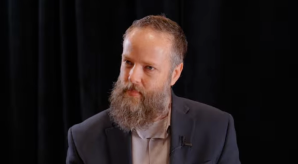
“There are delays to our acquisition, procurement and deployment of new technology,” said Ha Nguyen McNeill, a TSA senior official performing the duties of the administrator. McNeill testified before lawmakers Wednesday as part of a House Homeland Security Committee hearing.
TSA is one of the DHS components most significantly impacted by the ongoing shutdown, with tens of thousands of workers continuing their duties without pay. More than 360 TSA officers have departed the organization since the funding lapsed in February, according to DHS.
A shutdown makes it more difficult to “get the tools out there in the hands of our officers,” according to McNeill. In addition to delays, research and development has largely stopped.
TSA has several technology projects in early stages. The agency has entered an information-gathering phase as it looks to capture 3D scans of airport environments. TSA plans to use the digital representations, which could include digital twins and immersive models, to support facility management, security planning and operational efficiency.
The DHS component is also looking to beef up its IT capabilities, such as improving data analytics and providing better troubleshooting via a centralized help desk.
The ongoing shutdown puts these projects at risk as attrition mounts and bottlenecks occur.
“It really does hinder our ability to modernize TSA,” she said.
ICE at TSA
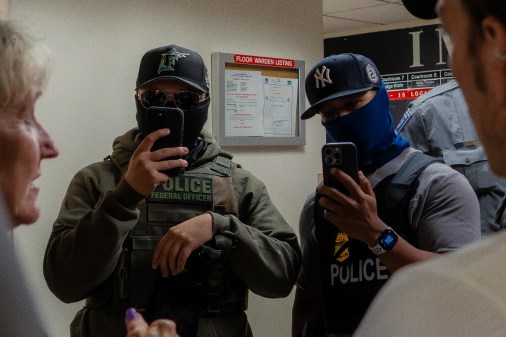
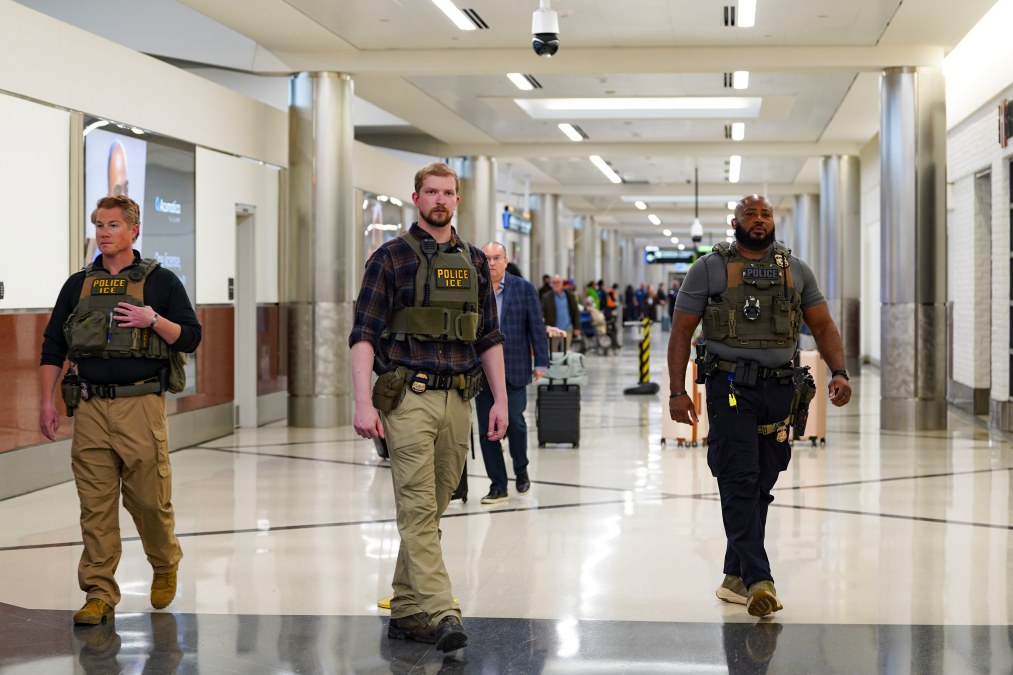
Immigration and Customs Enforcement officers have shown up at airports in the wake of longer TSA lines and high rates of callouts. Whether the crossagency collaboration is welcome depends on who is asked — and at which airport.
McNeill said the ICE agents were helping to speed up TSA processes. These agents, she said, are operating TSA’s identity verification systems after receiving training earlier this week.
“I’m extremely thankful to the President for recognizing the crisis that we are in and leveraging assets across the Department of Homeland Security to assist our agency in this very difficult time,” McNeill said during the hearing. “We’re seeing signs of early relief at the airports … and this just underscores the importance of funding the entirety of the DHS functions.”
The standard onboarding for TSA agents takes up to six months. TSA has bypassed the lengthy process by allowing ICE agents to operate non-specialized screening functions, such as travel document assessment.
“Feedback from the passengers and our field leadership has been very positive,” McNeill said.
Several lawmakers and representatives from TSA labor unions paint a much different picture.
“Instead of solving the problem of paying TSOs, the administration sent ICE agents to airports as replacement workers,” Everett Kelly, national president of the American Federation of Government Employees, said during a press conference Tuesday. “That’s like giving a person dying of pneumonia a teaspoon of cough syrup — it doesn’t address the problem and it’s not going to work.”
At the Hartsfield-Jackson Atlanta International Airport, ICE agents are mostly monitoring lines, according to Aaron Barker, AFGE Local 554 president, who represents airports in Georgia. Barker said the city of Atlanta already has staff, who are not part of TSA, that monitors and directs traffic.
“To have them come in knowing that they’re collecting a per diem check … while officers are not receiving a paycheck, I feel like it’s a waste of money,” Barker said, echoing a sentiment that other union leaders shared.
A union representative covering the Chicago O’Hare International Airport said ICE agents were stationed at exits and in baggage areas. At John F. Kennedy International Airport in New York, a union representative said ICE agents are primarily standing around the terminals.
ICE and TSA have had a more public-facing partnership in the past year.
During a hearing in January, McNeill confirmed TSA was sharing passenger data with ICE to support “the mission of our colleagues.” The practice has spurred scrutiny from lawmakers and advocacy groups.
When asked Wednesday if she would support a bill that would solely fund TSA, McNeill declined to answer directly.
“We don’t function in a silo at the Department of Homeland Security at all,” McNeill said in response. “We are one team, one mission.”