Bipartisan Senate bill would codify NOAA’s Hurricane Hunters, expand fleet
The National Oceanic and Atmospheric Administration’s Hurricane Hunters would be enshrined into federal statute and gain authorization for a bigger fleet under a bipartisan Senate bill released Wednesday.
A coalition of senators announced the introduction of the “Hurricane Hunter Aircraft Recapitalization Act” just a few weeks into the current hurricane season that began June 1. The bill is spearheaded by Senate Commerce, Science and Transportation Committee ranking member Maria Cantwell, D-Wash., and chairman Ted Cruz, R-Texas.
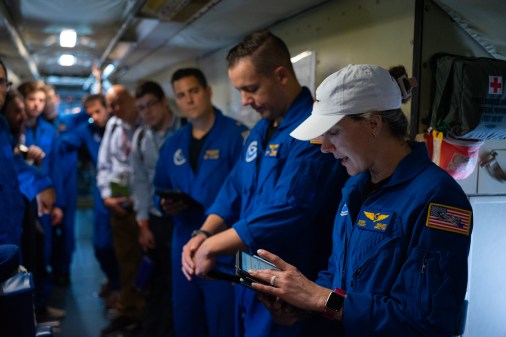
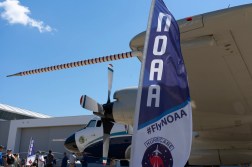
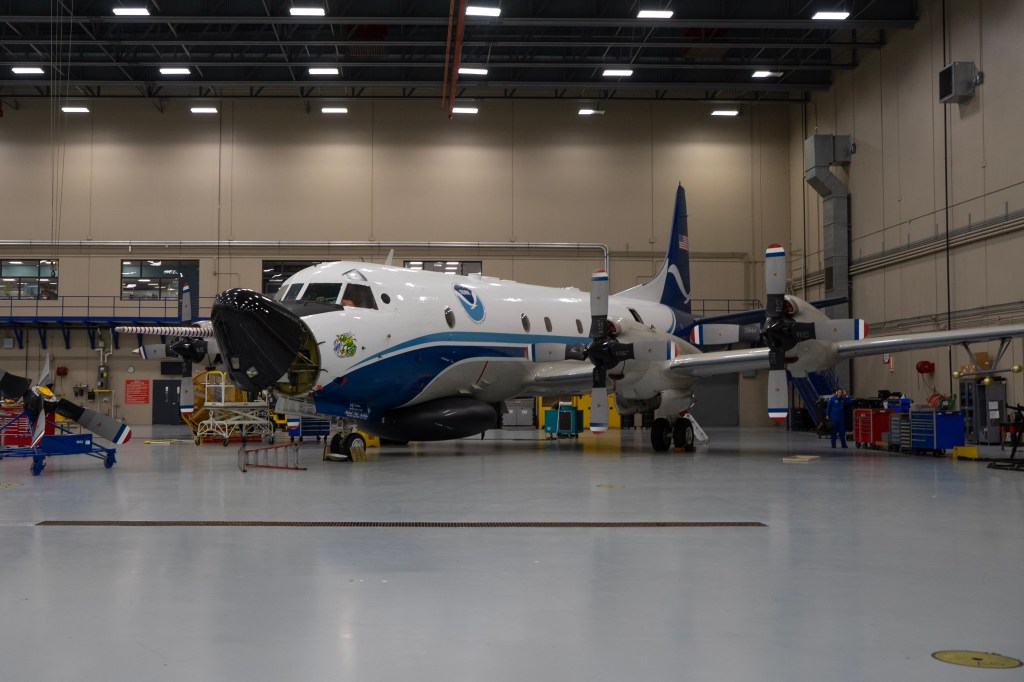
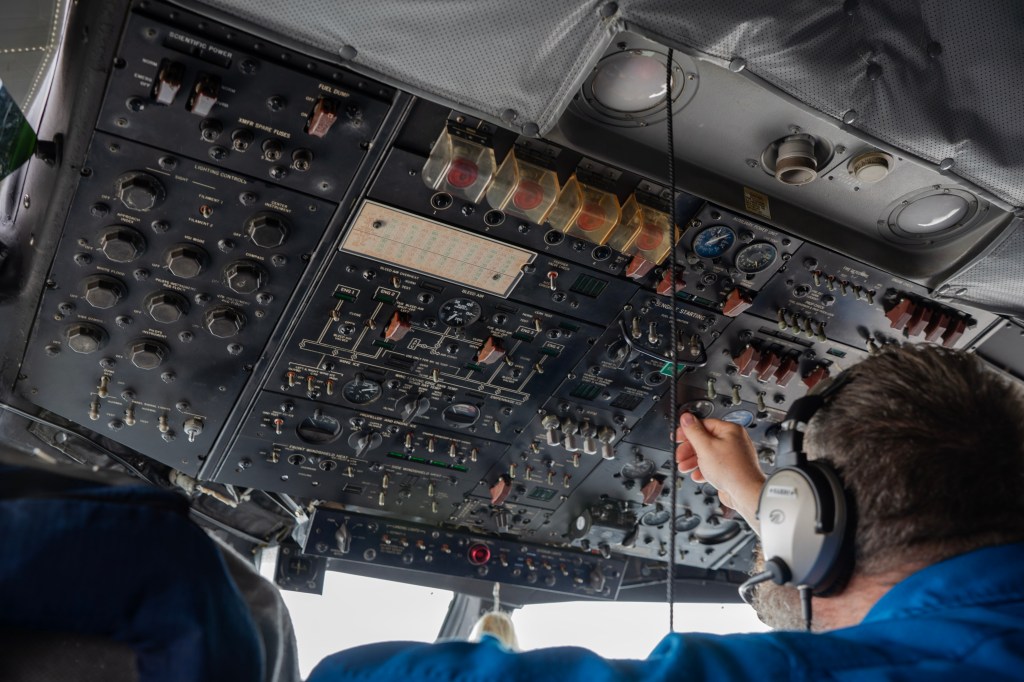
NOAA’s Hurricane Hunters fly through the intense storms to get information straight from the source that provides more detail for monitoring and tracking the systems. For years, they’ve used two specially outfitted Lockheed WP-3D Orion aircraft named “Kermit” and “Miss Piggy” to achieve that mission, but those planes are set to phase out of service come 2030 and be replaced by Lockheed C-130Js.
As that sunset approaches, the new bill seeks to fortify that program and expand its resources.
In addition to codifying the Hurricane Hunters, it would authorize $2.5 billion in appropriations to purchase more aircraft, as well as $45 million each year for operations and maintenance on those planes. It would also increase the number of authorized C-130Js from a maximum of six to nine in an effort “to meet increasing storm demands across the country,” per a release from Cantwell.
“NOAA’s Hurricane Hunter aircraft collect critical data that improves those forecasts, but much of the fleet is more than 50 years old,” Cantwell said in a written statement in the release. “This bipartisan legislation will modernize and expand the fleet, strengthening NOAA’s ability to provide the timely, accurate warnings that help keep families, businesses, and communities safe.”
The bill would also require that NOAA maintain backup aircraft, modernize airborne radar systems on the planes, codify a requirement that the agency maintains a sufficient number of NOAA Corps pilots, and authorize multi-year contracting.
“By flying directly into storms, they collect critical data that produces more accurate forecasts and earlier warnings. These forecasts help save lives, safeguard critical infrastructure, and reduce costly disruptions to ports, commerce, and supply chains,” Cruz said in a written statement in the release.
The legislation, he said, will ensure the agency has the aircraft and capabilities that the country relies on.
In addition to Cantwell and Cruz, the co-sponsors are Sens. Lisa Blunt Rochester, D-Del., Roger Wicker, R-Miss., Alex Padilla, D-Calif., and Ted Budd, R-N.C.
The bipartisan bill comes during a turbulent time for the weather agency. The past two budget requests from President Donald Trump proposed major cuts to the agency, particularly to its research arm. While the most recent budget request states the importance of hurricane reconnaissance, the administration has flip-flopped on cuts to weather-related programs, creating uncertainty for the work.
At the same time, improvements to technologies launched from those planes are coming to forecasts this year.
This hurricane season will be the first year that data gathered by drones that are deployed from the aircraft — which FedScoop recently had the chance to see up close — will be assimilated into models at the National Hurricane Center.
A preliminary study from NOAA recently found that inputting drone data into the models increased accuracy of the intensity forecast by 10% — an advancement that holds promise to improve the information used to help keep people safe.