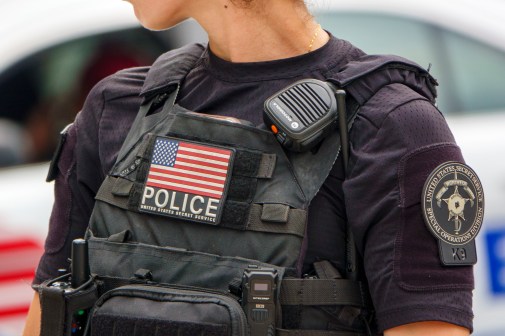
DHS tries to lessen constraints of biometric identity verification
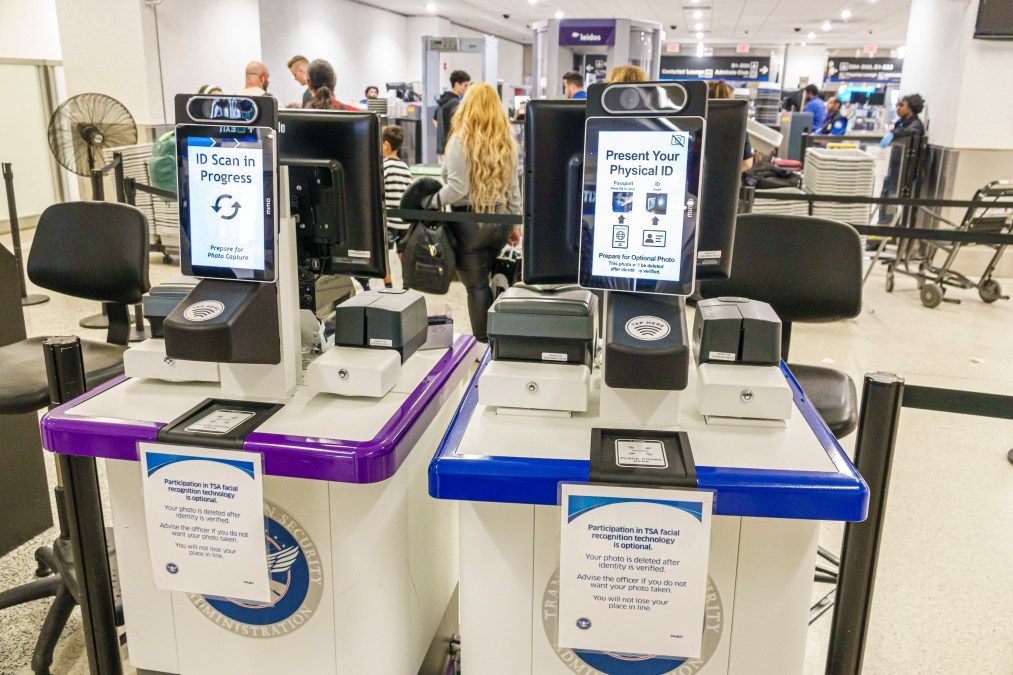
The Department of Homeland Security is working to mitigate technical challenges tied to biometric identity verification systems, per documents posted Tuesday and earlier this month.
DHS built the Biometric Data Collection and Verification System to quantify the performance of data acquired and stored by the agency. The system can identify deficiencies and provides standardized testing measures.
In addition to tackling the challenge of identifying failures or inaccuracies in biometric matching algorithms, the BDCVS is meant to speed up data acquisition and delayed retrieval speeds, according to the agency. DHS characterized BDCVS as a “proven system” that improves trust in biometric matching outcomes with applications across screening venues.
The agency also developed another new system that aims to address additional shortcomings of typical biometric identification tools used for traveler screening.
Biometric verification systems can struggle to properly identify individuals with common first and last names or when birthdays are shared by multiple people, DHS said in its research note. Data input errors, such as misspellings or use of nicknames can also present roadblocks, leading to delays in verification, significant bottlenecks for security personnel and travelers and extended screening process time.
In response, researchers from the Transportation Security Administration and the DHS’s Science and Technology Directorate created the Biometric Identity Disambiguation system.
BID determines whether an individual matches their identification information by comparing the person’s biometrics and other information, like a driver’s license, to what’s stored in accessible databases. The system then assigns a score that indicates how close of a match the individual is to the documents provided, signalling what level of additional checks are needed to screening personnel.
DHS said the technology has potential as a “proven system” across border checkpoints, testing and registration centers and as part of transportation, event or venue security. The agency is looking for a partner to help commercialize the system through licenses as part of its Technology Transfer and Commercialization Program.
Using biometric data for identification has quickly become one of the primary pillars of DHS’s technology strategy. The agency has plans to spend millions this year on iris verification for Immigration and Customs Enforcement and tools for other components. DHS has built out a robust toolbelt for its in-the-field agents, from AI-powered Mobile Fortify to Clearview AI’s massive database of facial images.
The expansion has caught the attention of privacy advocates and lawmakers, who argue for stronger limits and more transparency. The agency’s inspector general office has also launched an audit of DHS’s handling of biometric data and similar tools.