FEMA doles out $250M to 11 states in counter-drone push
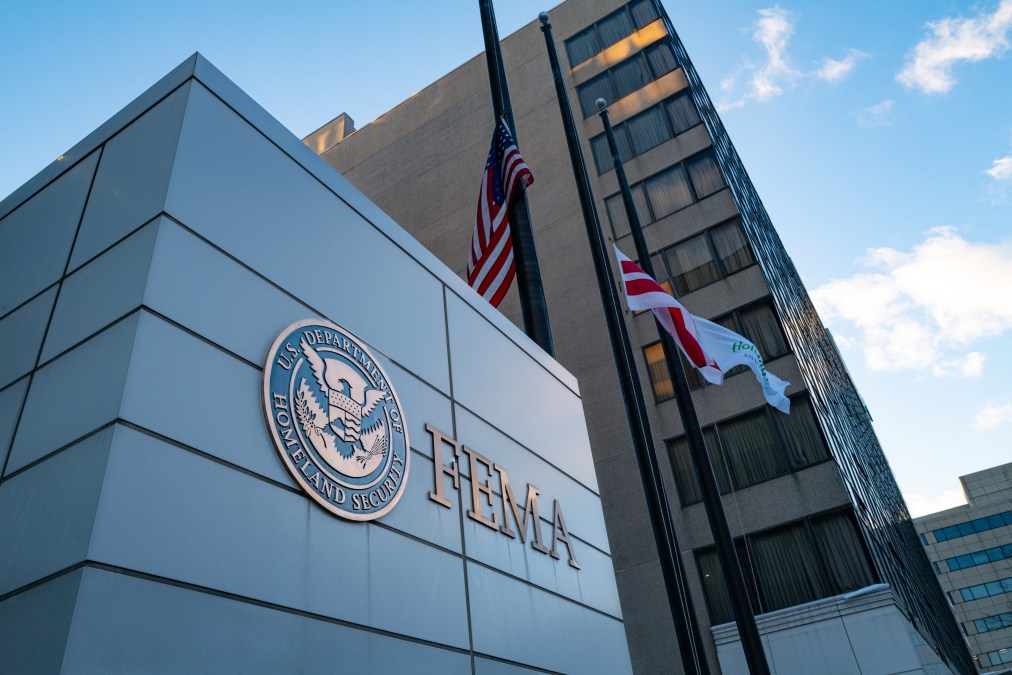
The Department of Homeland Security’s plans for counter-drone efforts are coming into focus with the agency’s announcement last week of $250 million in funding allocations for 11 states and Washington, D.C.
The push comes ahead of the district and states hosting the FIFA World Cup 2026 and America 250 national events. The two occasions are expected to bring unprecedented levels of spectators, and, in turn, bad actors, according to the Federal Emergency Management Agency.
“We knew we needed to act quickly to keep the World Cup safe from the rising threat of unmanned aircraft systems and that’s exactly what we did,” Karen Evans, acting administrator at FEMA, said in a statement. “This is the fastest non-disaster grant program ever executed by FEMA with funds being awarded just 25 days after the application deadline.”
California is set to receive the lion’s share of the funding, at just under $34.6 million. Texas and Washington, D.C., rounded out the top three highest allocations, surpassing $30 million and $28 million, respectively.
The awarded investments will go toward boosting drone-tracking infrastructure and detection technologies, in response to hostile actors that have “intensified” their use of the technology, the agency said.
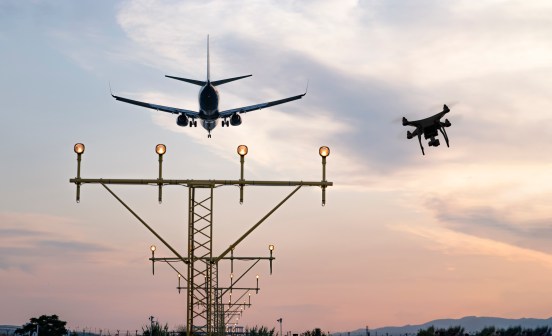
There have been several drone-related incidents in past years that have given cause for pause. In 2023, an NFL matchup between the Baltimore Ravens and the Cincinnati Bengals was delayed due to a drone flying over the stadium. The 2024 AFC Championship was interrupted as well after a drone was identified in restricted airspace. Other sports events and gatherings, such as the Boston Marathon, have also been the target of unauthorized drones.
Despite the focus on mitigation efforts, state and local enforcers lack the authority to deploy detection and tracking systems — creating a critical point of friction for all involved.
For state and local personnel to operate the drone-mitigation technologies purchased with the FEMA funding, the Department of Justice and the Federal Bureau of Investigation plan to deputize law enforcement and correctional facility officers. Specific training for operating the technology is also required.
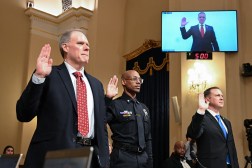
Lawmakers have made a case for expanded permissions as it relates to drone mitigation. Late last year, a House hearing was held to take a closer look at legal authorities tied to countering unmanned aircraft systems amid mysterious drone sightings in New Jersey, and stakeholders emphasized the need to go beyond current limitations on the state and local levels.
While barriers persist, DHS has ramped up its focus on deterring and detecting nefarious drones. Last summer, the agency’s Science and Technology Directorate collaborated with partners to study the effectiveness of mitigation methods.
“The systems and methodologies used by the military in a war zone are not going to be appropriate for us to use domestically or in a law enforcement situation,” Andy Myers, project manager at the Science and Technology Directorate, said of the study in a December blog post.
More money to support these efforts are on the horizon.
In fiscal 2027, FEMA will distribute another $250 million across all U.S. states and territories to bolster the detection and response capacity toward unmanned aircraft systems with a longer-term lens, rather than for a specific event. These investments were appropriated by the One Big Beautiful Bill Act.