Interior still grapples with probate backlog even with AI assistance
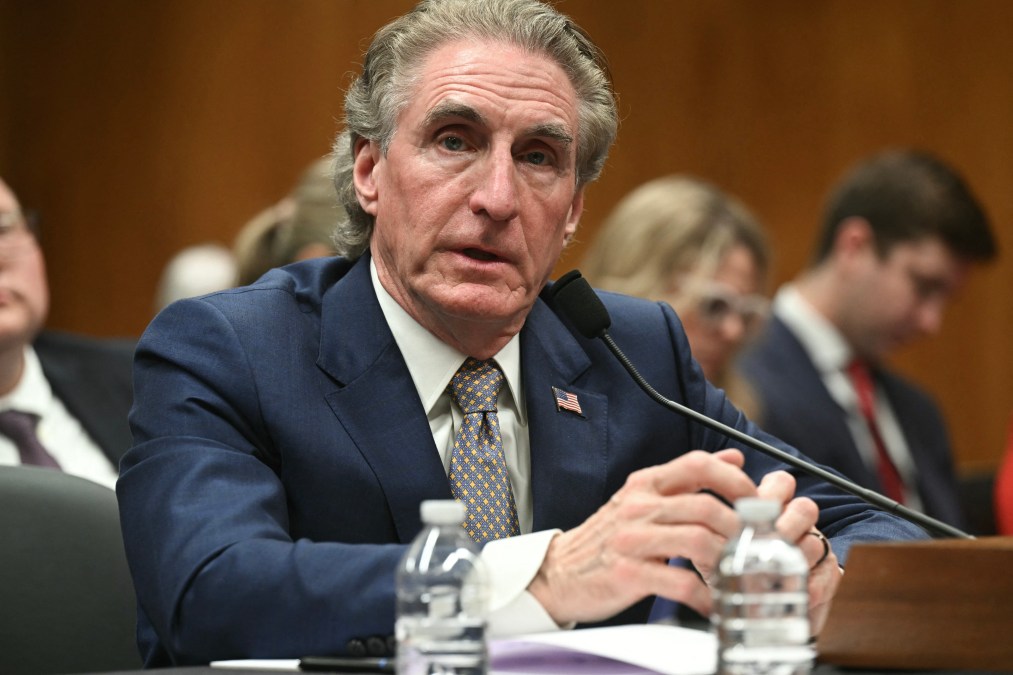
The Department of the Interior continues to struggle with an overwhelming backlog of probate cases even as AI has been added to the process, Secretary Doug Burgum said during a budget hearing last week.
As part of its Indian Affairs division, DOI is responsible for gathering information about descendants’ family and property, preparing documents for the Office of Hearings and Appeals and working with other trust offices to distribute assets to designated heirs or beneficiaries.
A single case takes about eight years on average to be resolved. In total, there are about 43,000 unresolved cases that the agency needs to move through the pipeline, a 10% decrease from last year’s count of 48,000.
“It’s unacceptable,” Burgum said of the backlog’s scale and the current resolution timeline.
As part of the effort to curb the sizable problem, the Interior is using AI to analyze cases and identify missing documents to “get it over the finish line,” according to Burgum. Notably, this use case is not explicitly identified in the agency’s mandatory AI inventory, though the secretary first disclosed the exploration of AI in probate workflows last year. Interior did not respond to FedScoop’s request for comment.
While AI is often heralded as a tool that speeds up and streamlines workflows, there are still plenty of paper processes in the probate pipeline that are preventing the agency from truly gaining ground.
“We have people in Interior who are at copying machines and licking stamps,” Burgum told lawmakers. To submit a probate request, people have to walk into an office or reach out to a call center. DOI then begins communicating with them by mail, sending documents back and forth.
“That’s how antiquated this is,” he said. “Getting this all moved online is going to dramatically increase our productivity.”
The agency also plans to launch a public-facing dashboard to improve transparency, allowing individuals to track their cases through the various steps.
The White House’s fiscal 2027 budget proposal for Interior allocates a $7 million bump in funds and increased staffing to the Bureau of Indian Affairs’ real estate services central oversight function, which “aligns with the Department’s broader modernization agenda.”
The proposed appropriations, however, feature drops in funding for the Office of Hearings and Appeals, tribal courts that process probate claims, the trust services unit and tribal priority allocations for probates.