Treasury planning online system for people to report suspected fraud
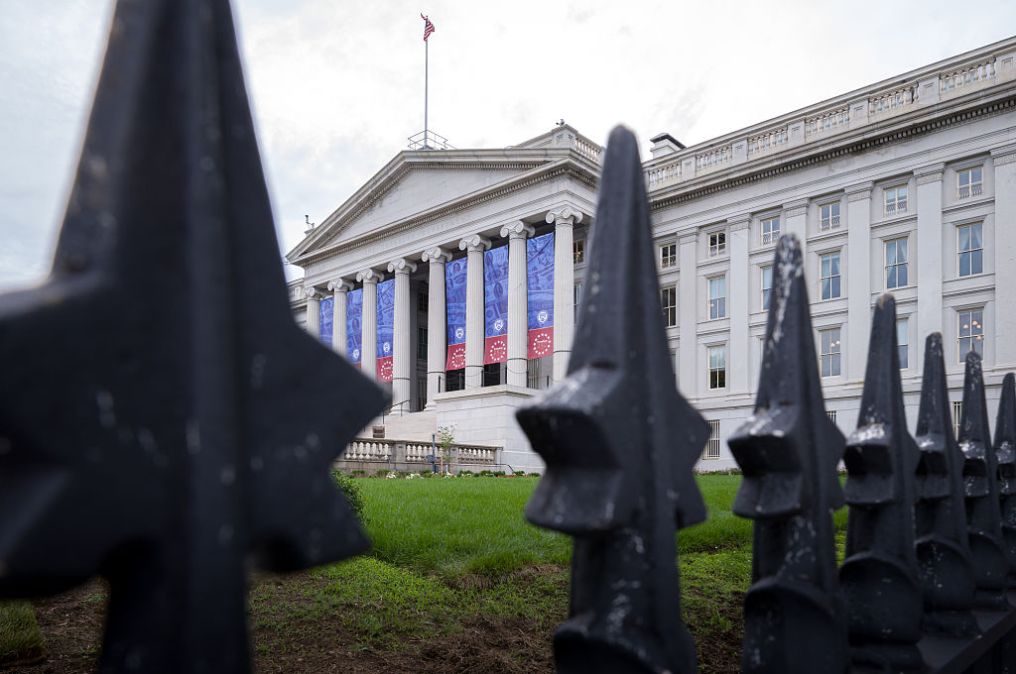
The Treasury Department is planning to launch a new online system to solicit information from the public on suspected instances of waste, fraud and abuse, per a notice set to publish in the Federal Register on Wednesday.
The system will allow the agency to take in and review tips, complaints and other allegations of fraud that affect federal programs, according to the posting.
Treasury is specifically seeking information through the portal that points to improper payments, misuse of federal funds or other misconduct involving federal programs, the document says.
Once Treasury receives a tip through the system, the department will determine whether that information should be forwarded to a federal agency, inspector general, law enforcement or other authorized entity “for review, investigation, audit, oversight, enforcement, recovery, program-integrity, or other lawful action,” according to the posting.
The system will be housed at fraud.gov and is referred to in the notice as “Department of the Treasury, Treasury .032 — Federal Program Waste, Fraud, and Abuse Tip Intake and Referral Records.” The “.032” figure is a reference to this being the 32nd Treasury-wide Privacy Act System of Records notice published by the department, according to a source familiar with the document.
The creation of the system is linked to two executive actions from President Donald Trump: a March 2026 order that launched an anti-fraud task force and sought to boost data-sharing between agencies and local governments, and a March 2025 EO to shift “America’s bank account” away from paper-based payments.
Starting Wednesday, the public can submit comments on the FR posting over the next 30 days — though the new system “will be effective upon publication,” the document states.
News of the fraud portal’s launch comes days after the Treasury’s Financial Crimes Enforcement Network released updated guidance on how financial institutions can share their own fraud suspicions.
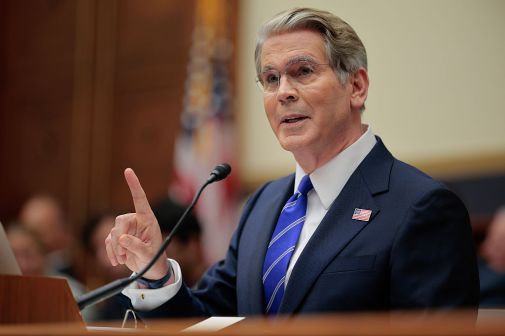
“Americans lose hundreds of billions of dollars to fraud each year,” Treasury Secretary Scott Bessent said in a press release last week. “At Treasury, we follow the money, and we know financial institutions are often the first to see suspicious activity in real time. They need the tools to act quickly and share information that can help stop fraud before it spreads.”
Congress also has fraud prevention on its mind, with the House last week enacting nearly a dozen bills aimed at stopping fraud in federal programs.
Two Republican-backed pieces of legislation that cleared the lower chamber would create new fraud-stopping responsibilities for the Treasury Department, though privacy experts said in interviews with FedScoop that those bills use overly broad language, embrace unproven prevention methods and could put people’s data at risk.