Let’s build the national data ecosystem America needs
From the beginning, America’s founders recognized that data, information, and knowledge are critical to a healthy and functioning democracy. The country’s commitment to national data and statistics has grown into a sprawling, complex, and decentralized ecosystem of hundreds of thousands of public data sources. This national data is essential for Americans to understand the country, assess our progress, and govern effectively.
Our national data ecosystem is now at a point of transition. Evolving politics and changes to the federal government have led to discontinuing some data collections, major staffing changes in data-producing agencies, and proposed alterations to key data sources. At the same time, new technologies including AI — along with the decline of traditional survey instruments — have increased the need for data innovation and digitization of records. The confluence of these events has created a unique opportunity to reimagine America’s national data ecosystem and move to a system designed to meet modern national needs.
To meet this moment, USAFacts and the Center for Open Data Enterprise (CODE) have published Building the National Data Ecosystem America Deserves to help lay out the vision for the future of national data. The paper presents seven critical goals for a national data ecosystem, identifies ongoing priorities to preserve current national data, and proposes “emerging opportunities” for new work. Our organizations based the paper on insights from two roundtables in Washington, D.C., and Oakland, Calif., that convened more than 150 experts from across the country. These learnings provide a strong basis for reenvisioning the data ecosystem we need. The seven goals we identified are:
Maintaining critical data collections. It’s essential to preserve the country’s most important data sources. But how do we know what is truly essential? We can find new ways to prioritize essential data, by tapping experts in different fields (such as public health or education) and using AI to analyze the use of datasets.
Strong, reliable federal data governance. Our data needs to be managed more efficiently and effectively, with guardrails to ensure continuity for essential data sources. We have an opportunity to explore new legislation, structural changes, new multi-year funding mechanisms for data collections, stronger congressional authorizing language, and technical tools to improve data access through AI.
A national data ecosystem that serves all Americans. We need data that represents all Americans, regardless of race, ethnicity, income, education, or sexual orientation, and makes it possible to analyze issues that impact different groups.
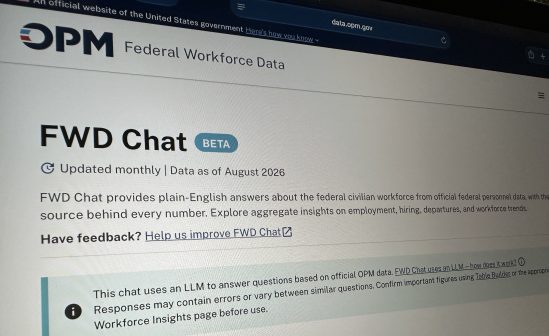
An AI-enabled system for better data and data access. AI is changing everything about the ways that Americans access, analyze, and use data. In addition to making federal data AI-ready, we can use AI to harmonize different data sources, create new data sources from unstructured data like internet searches and social media, and democratize data by making it much easier for the public to access and analyze.
Extensive and usable systems of state and local data. Many federal data collections rely on data from states, and state and local governments have significant opportunities to make better use of the data they collect. States can preserve and analyze their own data, share it with independent groups for analysis, and use administrative data — like data on taxation, births, and deaths — for new insights into their residents.
Robust American data developed with and for America’s businesses. Virtually every major industry relies on national data, and America’s businesses can do more to help build and preserve a national data ecosystem. For example, they can conduct pilot projects using “blended data” from both business and government sources and can explore cooperative funding models for non-government data collection and management.
Shared expertise, communication, and collaboration around national data. Building a strong national data ecosystem will be a national project. It’s time to rally data users to help improve this national resource, provide ways for them to take action, and tap the expertise of former federal experts as part of the data community.
Coinciding with the publishing of this paper, USAFacts launched a national campaign to spotlight the critical role public data plays in everyday American life. USAFacts and CODE are just two of a growing number of organizations now collaborating to help build America’s data future. It’s time for public, private, and civic actors to collaborate on a new national data ecosystem — one that reflects the democratic principles of transparency, inclusion, and accountability and meets the country’s needs.
Richard Coffin is chief of research and advocacy at USAFacts. Joel Gurin is president and founder of the Center for Open Data Enterprise (CODE).