Secret Service wants more AI robots for target practice
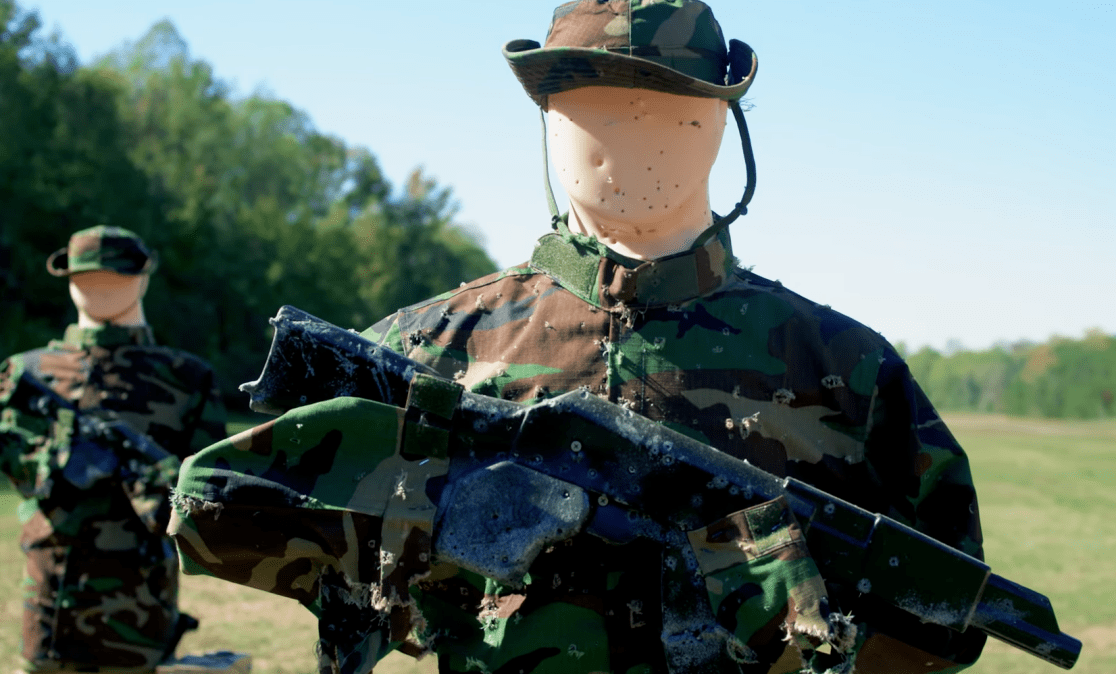
The Secret Service is planning to spend up to $20 million on AI robots for target practice as part of a contract it expects to award in the fourth quarter of fiscal 2026, per recently published acquisition planning documents.
The Department of Homeland Security unit wants to add one autonomous robotic system that will include eight all-terrain infantry targets, one vehicle target and four other infantry targets. The Secret Service will require its robotic training squad to wear ballistic protection for various ammunition calibers.
The agency has been building up its autonomous training tools with Marathon Targets, starting back in 2023. Over the past few years, the Secret Service has spent more than $4 million on the vendor’s autonomous robotic targeting system, according to USAspending records. The latest follow-on, no-competition contract is an expansion of these efforts.
The Secret Service was the first law enforcement agency in the country to use autonomous, three-dimensional targets, the agency said in a blog post highlighting the initiative last year. Previously, the training tools were only available to the military.
Within the Secret Service, several units are relying on robots for target practice. The Special Operations Division, which provides counter snipers and counter-assault teams at events, are using them, as well as individuals in Protective Detail Training and Uniformed Division In-Service Training.
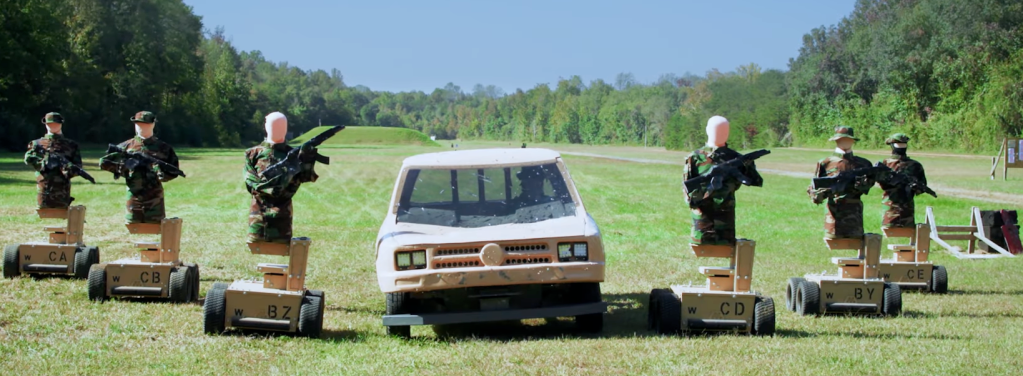
The robots are designed to operate closer to that of a human than a paper, two-dimensional counterpart. The training tools can reach up to 11 mph, speak multiple languages and can produce sound effects when hit. The robots only stop once they’ve been hit numerous times or in “specific or vital areas,” the agency said.
In addition to the Secret Service, Marathon Targets also contracts with the Marine Corps, Army, Navy and Air Force. The robots “flinch,” “groan” and “shriek,” per promotional material from the vendor.
Robotic targets can bring a wealth of data to law enforcement and defense agencies by tracking strikes, enabling instructors to provide a more comprehensive analysis of how a trainee is doing.
The plan to grow its robotic training squad comes as the Secret Service sharpens its focus on emerging technologies to improve day-to-day operations.