DHS seeks information on AI-powered biosurveillance
The Department of Homeland Security wants to explore how AI can improve its biosurveillance and anomaly detection efforts, per a request for information published last week.
The agency is seeking insight on tools and approaches that can integrate multiple technologies, data sources and operational flows, according to the documents. Potential data sources of interest include indicators from transportation, the border, supply-chain and agriculture, among others.
The RFI listed numerous capabilities that were top of mind, such as autonomous biological monitoring systems, machine-learning recognition systems and AI-powered anomaly analytics.
Responses to the RFI are due next week, and the agency said it does not plan to provide answers to questions on the RFI.
Biosurveillance falls under the purview of DHS’s Science and Technology Directorate, but the agency also relies on partners across the federal government. While DHS is looking into how AI could help its offensive efforts, the agency has also had to contend with the technology’s ability to assist threat actors.
The Department of Agriculture is one crossagency partner that DHS has worked closer with amid the rise of AI.
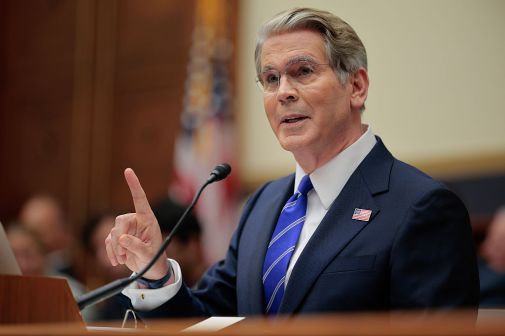
“Advances in biotechnology and artificial intelligence have made it easier for state and non-state actors to develop and deploy biological agents that could devastate crops, livestock, and food production, threatening economic stability and national security,” Ashley Grant, senior health security and biodefense advisor at DHS’s office of health security, testified before lawmakers earlier this year.
With major events on the horizon — including the World Cup, America250 and the 2028 Summer Olympics in Los Angeles — DHS has renewed urgency to beef up its biosurveillance capabilities. These major gatherings present a ripe opportunity for bad actors.
Host cities are ramping up related efforts, as well as health organizations.
Georgetown University and MedStar Health plan to monitor and track emerging bio risks as part of a broader coalition effort, starting in June. The group, which will launch the Health Security Operations Center, will draw on data from wastewater monitoring, hospitalizations and health reports from host cities to deliver information to health officials throughout the World Cup.
“Mass-gathering events like the World Cup require the kind of coordinated, multidisciplinary situational awareness that no single institution or jurisdiction can provide alone,” Rebecca Katz, director of Georgetown’s Center for Global Health Science and Security and director of the Health Security Operations Center, said in a statement earlier this month.