House passes bill to give financial agencies a technology boost
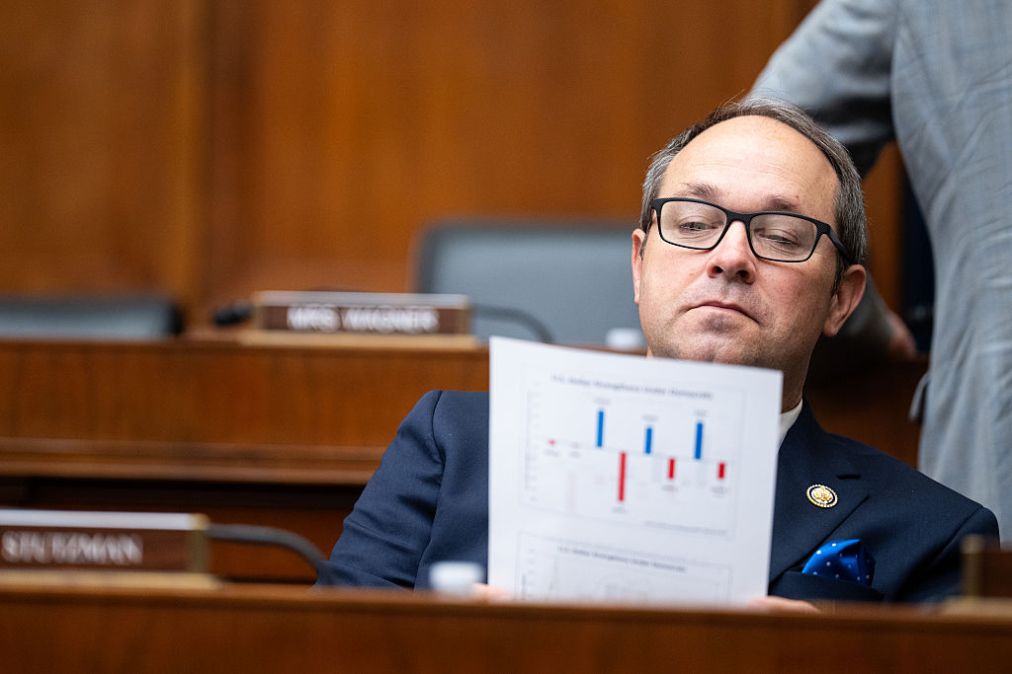
Technology upgrades at federal financial agencies could be on the horizon after the House passed a bill late Tuesday aimed at arming the regulators with better digital tools.
The FUTURES Act (short for the Fostering the Use of Technology to Uphold Regulatory Effectiveness in Supervision Act) cleared the lower chamber by a 417-7 tally following a floor debate over the bill (H.R. 8278) Monday.
The legislation, co-sponsored by Reps. Marlin Stutzman, R-Ind., and Bill Foster, D-Ill., would direct financial agencies to provide Congress with a comprehensive assessment of their technical arsenals. Lawmakers would then work to break down procurement barriers and close any obvious technological gaps.
“Put simply, we can’t help our regulators modernize their technology for the digital age if we don’t know the challenges that they face, whether it’s talent gaps, procurement barriers, or technological blind spots,” Stutzman said. “Congress needs to understand the red tape that is keeping government in the past while the financial system races into the future.”
The agencies that would be required to submit reports to Congress are the Federal Reserve, the Consumer Financial Protection Bureau, the Federal Deposit Insurance Corp., the Federal Housing Finance Agency, and the National Credit Union Administration, as well as the Treasury Department and two components under its umbrella: the Office of the Comptroller of the Currency and the Financial Crimes Enforcement Network
Stutzman said asking these agencies to deliver these self-assessments shouldn’t be a big deal given banks and credit unions already “undergo quarterly technology reviews, internal testing, and rigorous due diligence on every vendor that they use.”
“It’s only fair that we hold their regulators to the same standard,” he added.
The legislation also requires the financial regulators to develop plans to address technology gaps they identify, and then implement additional reviews every five years. Foster said the bank failures of 2023 showed how 24-hour banking tools and social media panic can “intensify” bank runs and increase risk.
Emerging technologies like AI and agentic commerce bring new cybersecurity risks and the potential to “destabilize our financial system” in frighteningly efficient fashion, he added.
“At the same time, these technologies provide tools that regulators and financial institutions can use to improve and simplify bank supervision, to identify suspicious activity, and to improve the quality of customer service,” the Illinois Democrat said. “Maintenance of a well-regulated financial system requires continual investment in new tools and a workforce with the necessary technical skills and streamlined procurement rules that allow regulators to keep up with rapid developments in the private sector.”
Though the bulk of the bill’s provisions are related to procurement issues, it also seeks to determine whether agencies are able to adequately recruit and train experts capable of navigating massive technological changes in the financial regulatory space.
“Just as we hold our financial institutions to rigorous standards on cybersecurity and vendor oversight, we should equip our regulators to meet the same high bars,” said Rep. Monica De La Cruz, R-Texas. “I look forward to the insights this bill would generate and how they will guide future engagement to improve supervision across the federal financial system.”