Watchdog links HUD workforce cuts to delayed tech services
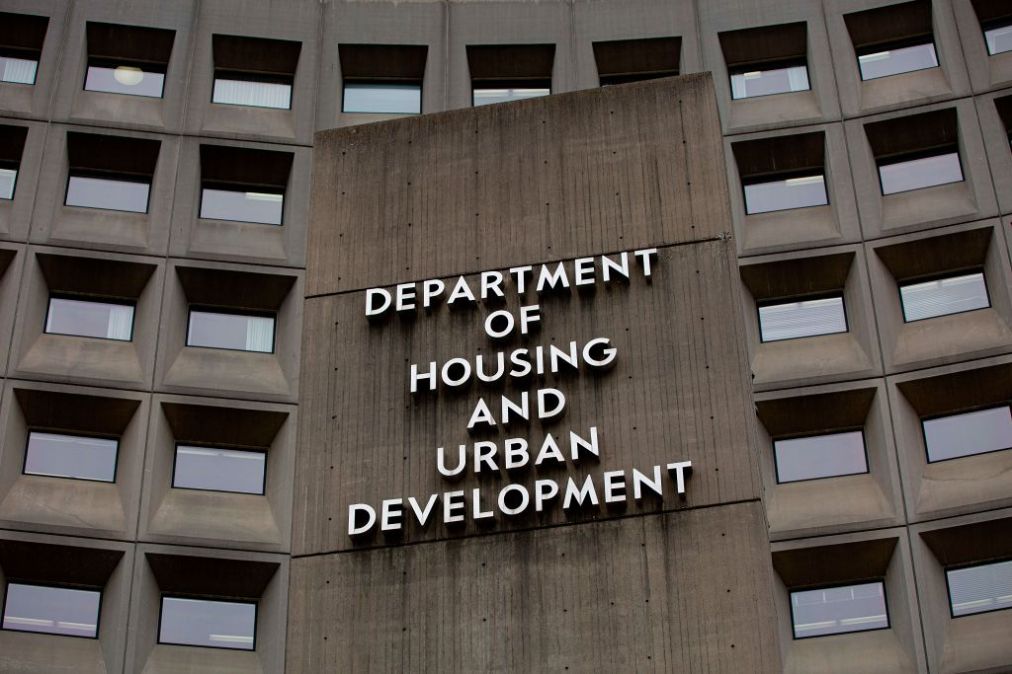
As the Department of Housing and Urban Development pursues several initiatives aimed at modernizing and streamlining operations, a new watchdog report found that the agency may have backslid on some longstanding technology support services.
In an audit conducted from April 2025 to September 2026, the Government Accountability Office revealed that HUD trimmed its workforce by 29% last year. It also terminated 144 contracts, 19% of which were for IT, including software licenses, maintenance and systems development.
Those changes appear, in part, to have contributed to delayed technology assistance, per the GAO. HUD did not respond to the watchdog’s requests for information as part of the audit, but representatives with 20 stakeholder organizations did.
Almost all of those groups reported reduced services, delays and operational disruptions that made it “harder to navigate HUD programs,” the GAO said.
Public housing agencies and Section 8 project-based rental assistance property managers told the watchdog that they experienced delays accessing HUD tech systems last year, which they attributed to fewer agency representatives with technical knowledge and system privileges.
“For example, one PHA could not access HUD’s grant and subsidy disbursement system for 3 months after it hired a new executive director,” the report said. “Staff at the PHA said that it took time to find a HUD employee with the proper administrative rights to the system to grant its new executive director access to the system.”
To make ends meet during that time of no access, the public housing agency in question tapped into its reserve funds to “cover salaries, utilities, and other operating costs,” the GAO said. Even then, the PHA “was unable to pay some contractors,” it added.
Reports of HUD’s apparently lackluster tech support come amid a flurry of tech initiatives the agency is pursuing. The report highlighted the creation of a HUD Efficiency Task Force aimed at streamlining grants and other business processes, modernizing IT systems, and simplifying rules and regulations. The agency considered an AI tool meant to spur the “extermination” of federal housing rules, according to public records, though it’s unclear if the agency ever used it.
The GAO also made mention of the HUD Unified Grants System, or HUGS, an AI-powered Palantir platform that will “consolidate and standardize the grant process and increase transparency into how grantees and PHAs spend grant funding.” HUD is in the process of rolling out an AI tool to review every spending choice made by grant recipients.
Project Voucher, a program to analyze and identify improper payments, and HUD EfficienCX, a suite of initiatives to improve HUD’s website and consolidate customer service, were other tech-related measures touted by HUD in the agency’s December 2025 financial report.
Without HUD’s participation in the GAO’s audit, Congress and the public will continue to “have limited information on the status or effectiveness of these efforts,” the watchdog said.
“These initiatives may help HUD modernize and improve the delivery of its programs and services,” the report stated. “However, it is too soon to assess their effectiveness or the extent to which they will help HUD achieve its mission.”
HUD did not respond to a request for comment by the time of publication.