Charles Worthington, top VA tech and AI official, departs agency
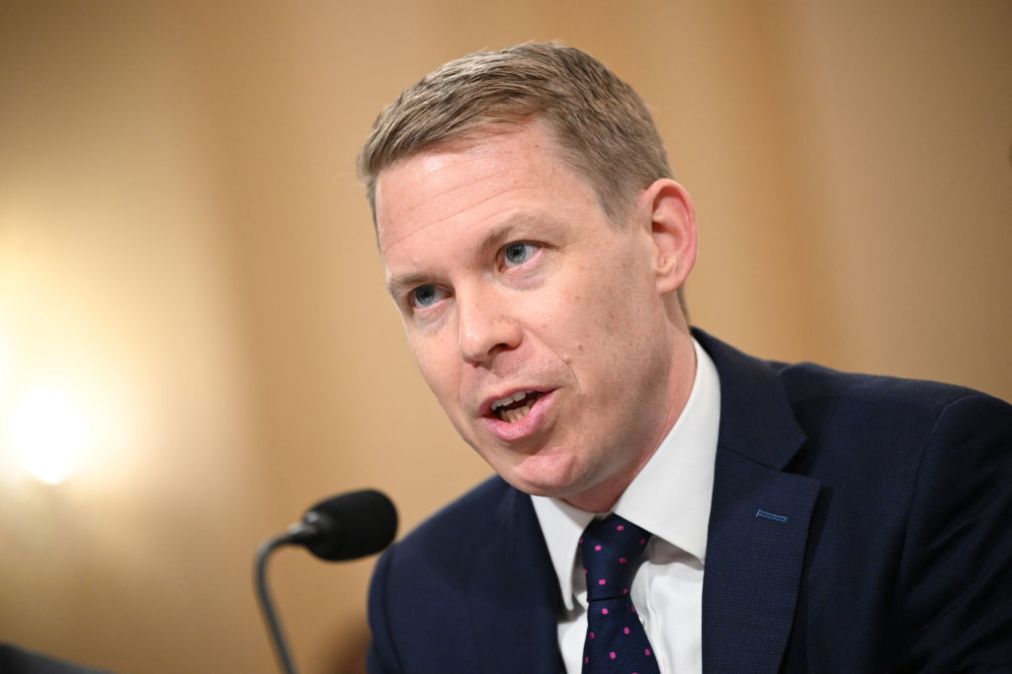
The architect of the Department of Veterans Affairs’ artificial intelligence program and digital modernization strategy is leaving the agency after nearly nine years.
Charles Worthington, the VA’s chief AI officer and CTO, said in a LinkedIn post Thursday that “the time is right” for him to step down from his posts.
“When I joined VA, the Office of the CTO didn’t exist, and the VA Digital Service team didn’t have an institutional home,” Worthington wrote. “Today, our 100+ engineers, designers, architects, and PMs have built something I’m immensely proud of, and I will be rooting for every one of them.”
A Harvard grad, Worthington joined the federal government in 2013 as a Presidential Innovation Fellow. He parlayed that experience into a role as senior advisor to the federal CTO, where he co-created the U.S. Digital Service following the disastrous rollout of HealthCare.gov.
After nearly three years with USDS, including as the White House tech office’s acting deputy administrator, Worthington moved on to the VA in 2017. In addition to leading the agency’s digital modernization work, he also supported its adoption of commercial cloud infrastructure, oversaw the creation of vets.gov, rebuilt va.gov and launched VA Notify, per a congressional bio and his LinkedIn profile.
In addition to boosting digital services for veterans, Worthington worked in recent years to spur AI adoption across the agency. Under his watch, the VA emerged as one of the most prolific AI users in the federal government, with an inventory that’s now 367 use cases strong. Included in that tally is the agency’s VA GPT chatbot.
“I’m pleased to report that all VA employees now have access to a secure, generative AI tool to assist them with their work,” Worthington told lawmakers on the House VA technology modernization subcommittee last September. “In surveys, users of this tool are reporting that it’s saving them over two hours per week.”
As the agency’s CAIO, Worthington also oversaw the implementation of AI tools to assist agency clinicians with data entry. In a June 2024 interview with FedScoop, he said the VA was “pretty aggressively piloting … new generations of AI scribes” to assist with note-taking, plus tools to ingest medical records from outside the VA system aimed at saving providers substantial amounts of time on reporting.
“Anyone that’s been to a doctor, you sort of sympathize with them as they try to type in as they’re having a conversation with the patient,” he said. “And so some of these new tools have the potential to make that process even easier, building off of some things that we already do, things like transcription. And so that’s one theme where one of our key priorities of reducing clinician burnout could be assisted by this new generation of technology.”
Worthington, who also served on the Technology Modernization Fund board for four years, didn’t reveal in his LinkedIn post where he’s headed next. But he said his time with the VA “has been the most important work” of his career.
“Serving at VA has been the most rewarding chapter of my career so far, but I’m equally excited about what’s next,” he wrote in his LinkedIn post. “We are in the early innings of the most important technology shift since the Internet. The deep integration of AI into the systems that power how we live, work, and experience critical services has barely begun, and I plan to be building at this frontier at scale.”