AI helping downsized CFTC run smoother than ever, chairman claims
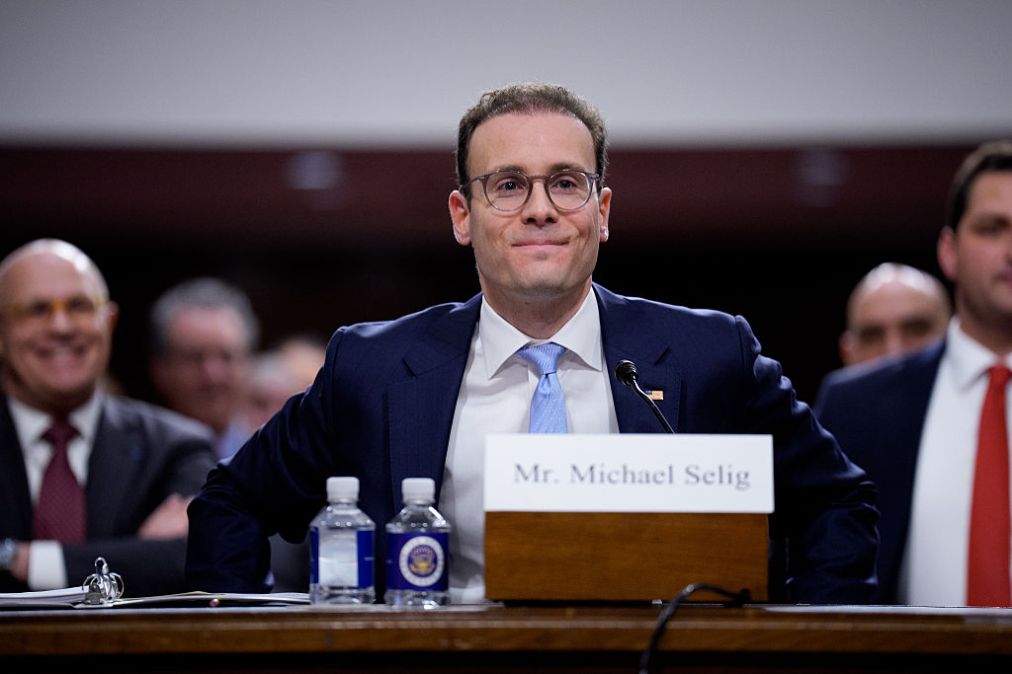
Despite growth in traditional futures, the emergence of prediction markets and the mainstreaming of digital assets, the Commodity Futures Trading Commission is doing just fine with a slimmed-down staff thanks in large part to technology, the agency’s chairman told lawmakers this week.
During a House Agriculture Committee hearing Thursday, CFTC chief Michael Selig was asked by ranking member Angie Craig how the independent regulator can still be effective amid rapid market changes “with staffing levels significantly less than what the first Trump administration had requested.”
The Minnesota Democrat said the CFTC’s staff is down 20% from the end of fiscal 2024, but Selig claimed the agency is “running more efficiently and effectively than ever before,” crediting the “right-sizing of the government” under President Donald Trump.
“It’s absolutely vital that we continue to monitor, surveil and police our markets. And we are doing just that,” Selig continued. “We are utilizing new tools, from AI to automation and other surveillance systems that we’re building out, and we take this responsibility very seriously.”
The CFTC, which is four commissioners shy of a full body, has hired people from the private sector and continues to recruit through USAJobs.gov, Selig said, adding that “it’s absolutely critical” that the regulator has the right funding and resources to monitor the markets.
But despite the concerns of Craig and several other House Agriculture Democrats, Selig believes the CFTC’s fiscal 2027 budget proposal, which calls for 650 full-time positions, will leave the agency “adequately staffed.” He told Rep. Shontel Brown, D-Ohio, that reports of the regulator being under-resourced was “fake news.”
“It’s really critical that we continue to bring on new software systems like AI tools and surveillance tools to make sure that we’re better suited to police the markets, but we’re running very effectively and efficiently,” Selig said.
The fiscal 2027 proposal calls for an $11 million boost in funding for the CFTC’s Division of Data. Per the justification document, the DOD’s role is to “empower the CFTC to make data-driven decisions; harness data to develop and deploy sophisticated enterprise analytics and artificial intelligence (AI) capabilities; modernize and streamline its data analytics tools and technologies; improve data standardization and compliance; and promote a data-informed workforce to improve mission and operational performance.”
Rep. April McClain Delaney, D-Md., asked Selig to expound on AI’s role at the agency going forward, pressing for details on how the emerging technology is used and if it’s being leveraged with “appropriate human oversight.”
The CFTC chair said the agency has access to various Microsoft 365 products that “will allow our staff to start incorporating AI into their workflows.” Though the agency’s recently updated AI inventory lists just three use cases, Selig emphasized that “expanding the use of AI throughout the building” is “a key priority of ours.”
“This is going to make them more productive, so that they can, of course, focus on their day-to-day tasks and also manage things using automation and software tools,” Selig told McClain Delaney. “There are also software systems and tools that can allow us to pick things up faster, whether it’s surveillance or otherwise using AI.”
Other tech-related topics that came up during Thursday’s hearing were the regulator’s role in policing alleged insider trading scandals on Kalshi and Polymarket, and how the CFTC can maintain proper boundaries following a memorandum of understanding it reached last month with the Securities and Exchange Commission.
On the prediction markets, Selig said that the CFTC is approaching the issue through a notice of proposed rulemaking it issued last month, and that he “won’t pre-judge the outcome of that process.” The agency is receiving input from stakeholders across the country and will eventually put rules in place “that are going to address these concerns.”
The MOU with the SEC, meanwhile, is likely to accelerate existing data-sharing practices between the independent agencies, experts told FedScoop last month. Selig said it’s important to keep the agencies “distinct,” but the agreement will spur harmonization of rules and won’t hinder the CFTC’s ability to protect personally identifiable information.
“We adhere to all statutory requirements with respect to protecting sensitive information, whether it’s PII or other types of sensitive information,” Selig said. “We take that very seriously.”