FBI looks to beef up its biometric matching capabilities
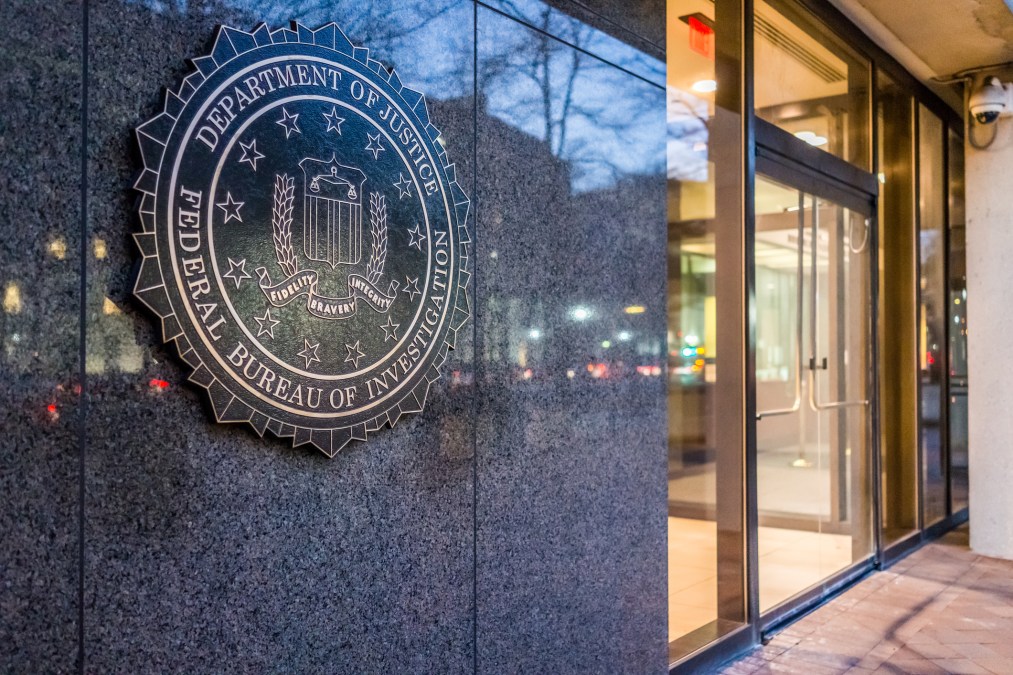
The FBI is asking providers of biometric matching algorithms to participate in market research as the bureau looks to expand the range and quality of its identification and investigative processes, per documents published Friday.
Prospective partners on the project will need to be able to handle an average monthly search volume of 3,500 iris scans, 4,800 facial images and millions of fingerprint records to meet the FBI’s requirements.
The selected algorithm will support and be integrated into the FBI’s Next Generation Identification system, currently overseen by the agency’s Criminal Justice Information Services Division. NGI is a massive, 16-year-old system that the FBI developed to consolidate biometric and other data into a comprehensive identity repository, including Social Security numbers, occupations and physical characteristics. The Department of Justice unit is currently working with Leidos to modernize the system as part of a $128 million task order awarded last July.
NGI’s current biometric database consists of more than 1 billion records across all modalities, according to the documents published last week. Vendors are asked to provide their approach and timeline to “transition NGI’s biometric repositories” to their tool without data loss.
The FBI plans to set a deadline later this year for vendors to submit their algorithms for testing by the National Institute of Standards and Technology, which will check for accuracy, performance and security.
“NIST then openly publishes their test results for consumption by the vendor community, users of this technology, and other various interested parties,” the FBI said in its request for information. “Published NIST results will be a requirement for all vendors interested in supplying biometric algorithms to the FBI.”
The RFI follows two similar ones published in January 2025 and December 2025, which have since been taken down from the Sam.gov platform.
Biometric matching and identification capabilities have taken a starring role in modern law enforcement operations.
The FBI kickstarted a handful of new AI projects last year designed to generate investigative leads using suggested facial matches and other data, according to its AI inventory. DOJ’s U.S. Marshals Service has also leaned into facial recognition technologies, to the chagrin of privacy experts.