House Financial Services Dem seeks Fed open-source demos, real-time data
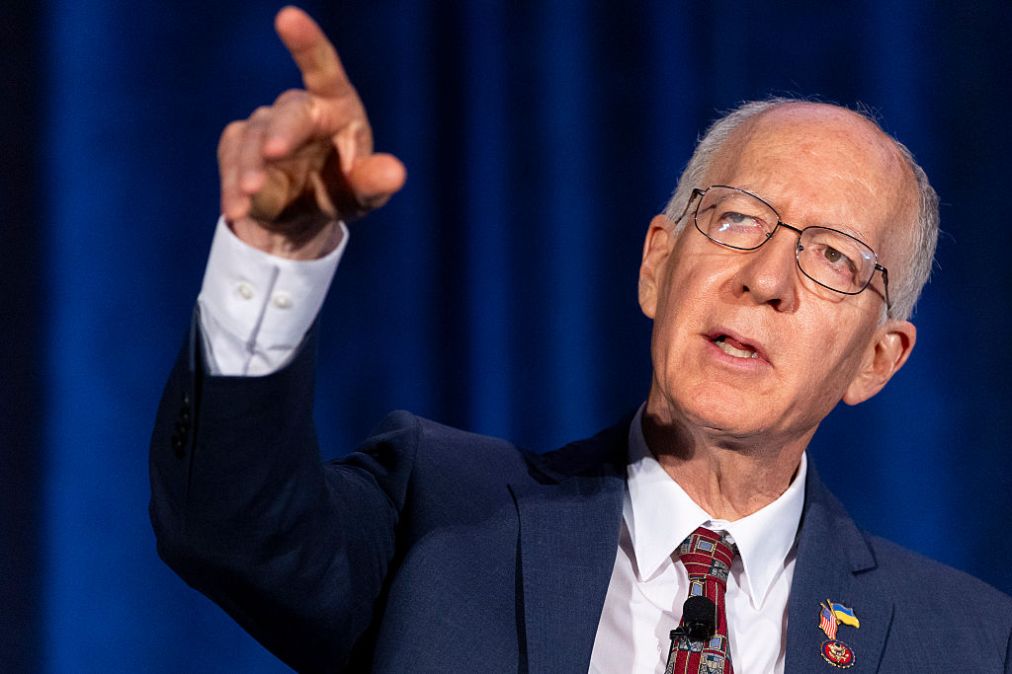
The top Democrat on a key House Financial Services subcommittee is eyeing a series of technology initiatives for the Federal Reserve in the new year as his party prepares to take control of Congress.
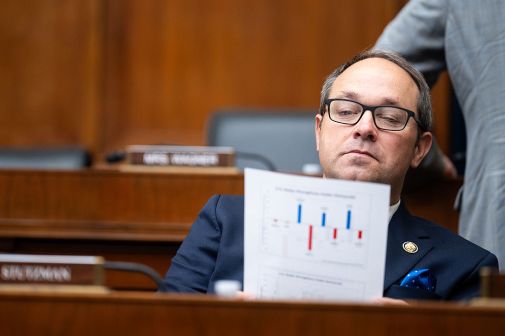
Rep. Bill Foster, D-Ill., ranking member of the House Financial Institutions panel, released a discussion draft Thursday of legislation aimed at modernizing financial regulatory reporting and strengthening oversight of the broader financial system.
The Real-Time Regulatory Study Act would require the Federal Reserve Board of Governors to examine the feasibility of real-time bank regulation. The central bank would do that by developing and testing open-source software that could be used by regulators and financial institutions.
A press release accompanying the draft bill noted that artificial intelligence and “round-the-clock payments systems” could spur “financial stress.” Real-time information and automated tools will be increasingly needed to ward off bad outcomes and guard against AI-fueled cybersecurity threats, the press release said.
“With advances in AI creating new cybersecurity threats and financial risks, it’s more important than ever that we modernize the way we monitor the health of our financial institutions,” Foster said in the release. “My Real-Time Regulatory Study Act would explore how secure, open-source technology can help banks and credit unions reduce compliance costs, give regulators real-time insight into emerging risks, and strengthen the stability of our financial system.”
A one-page summary of Foster’s draft legislation highlights several software modules the lawmaker would like to see demonstrated by the Fed, including regulatory dashboards, automated bank and credit union reports, stress testing that simulates historical and current data, AI risk monitoring, automated fraud and anti-money laundering screening, and more.
As the Fed pursues these and other open-source demonstrations, Foster envisions testing requirements and model safeguards that ensure “accuracy and reliability,” per the one-pager. No live customer accounts would be used for the studies, and no actual actions would be taken based on the results of the testings. Any software created through the study “should be viewed as a starting point for further modernization” rather than a must-adopt tool, per the document.
“We cannot afford to rely on outdated systems to oversee an increasingly complex financial sector,” Foster said.
The study would go beyond the Fed: Foster’s draft encourages the agency to collaborate with banks, credit unions and technology providers by seeking “technical contributions” from them, as well as open-source groups and other researchers.
All of the modules would be published along with draft security and maintenance plans within a year of the testing. A systemwide test would be required within 18 months, as would an interim report to Congress within 180 days and a final assessment within two years. That report would cover the feasibility of implementing the technologies, what they’d mean for financial stability, how much cost savings could be had and a framework for continued maintenance.
A particle physicist by trade, Foster has had a busy term as ranking member of the financial institutions subcommittee, co-sponsoring a bill to provide financial regulatory agencies with technology upgrades that passed the House in September, and also leading legislation to give the National Credit Union Administration and the Federal Housing Finance Agency more oversight power of tech providers.
The Illinois Democrat is also a co-sponsor of a bill, introduced last week, that would revive the Office of Technology Assessment.