When the storm hits, the private sector must show up
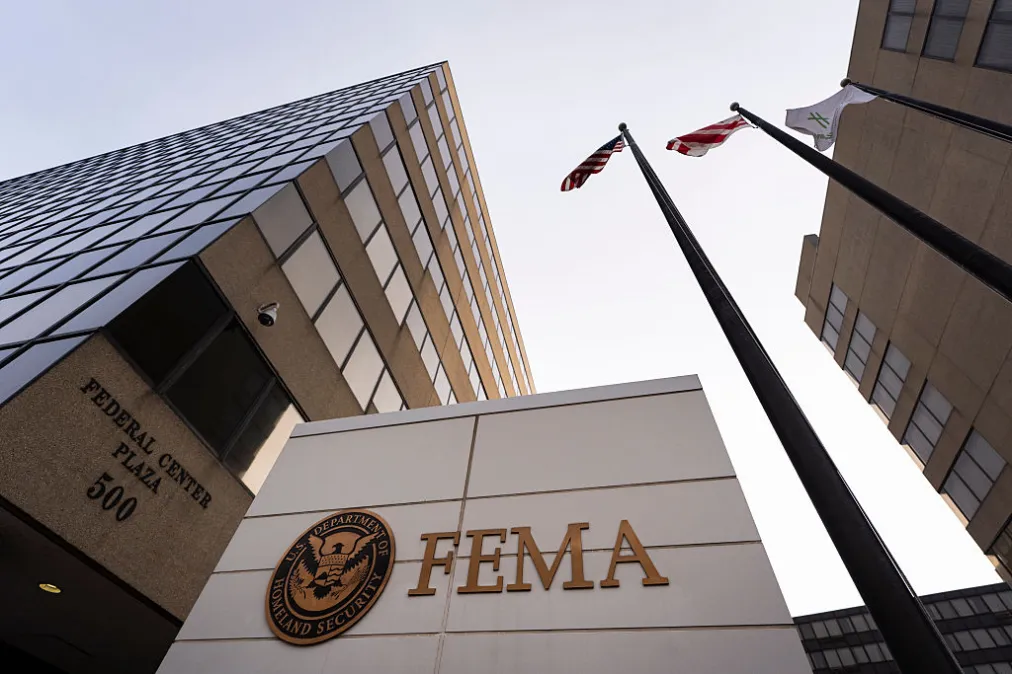
During my time as FEMA administrator, I witnessed the extraordinary impact disasters have on communities across the country. From devastating hurricanes to catastrophic wildfires, I saw families lose their homes, businesses struggle to reopen and entire communities face the long road to recovery. But I also witnessed something equally powerful: what happens when government, nonprofit organizations and the private sector come together with a shared sense of purpose.
One of the most important lessons from my years in emergency management is that government cannot respond to disasters alone. Federal, state and local agencies play indispensable roles, but many capabilities communities depend on most — communications, power, transportation, food and essential supplies — are delivered by the private sector.
When government officials and business leaders understand each other’s capabilities, share information and plan together, they can respond faster and more effectively. These partnerships must be built long before disaster strikes. Companies should strengthen their emergency plans, establish relationships with government and nonprofit partners and identify how their unique capabilities can support communities in crisis.
Hurricane Isaias offered a powerful reminder of what these partnerships look like in practice. As Gulf Coast communities prepared for the storm and began the difficult work of recovery, businesses stepped forward in different but equally important ways. Their contributions reflected not only generosity, but a willingness to put their resources and expertise to work when communities needed them most.
For some, that meant helping meet the most immediate needs of families affected by the storm. Walmart committed $1 million to relief efforts, partnering with The Salvation Army, Convoy of Hope and Feeding the Gulf Coast — a Feeding America partner food bank — to provide food, water and essential supplies. Publix and Truist also donated hundreds of thousands of dollars to support relief and recovery. These contributions helped nonprofit partners deliver critical assistance to affected communities.
Donations and partnerships can provide much-needed support for nonprofits. However, just as importantly, companies should recognize how their core capabilities can help address the most urgent needs during an emergency.
T-Mobile, for example, supported first responders and provided free Wi-Fi, device charging and portable power resources to thousands across Alabama and the Florida Panhandle. The company also leveraged its advanced network technology to automatically adjust network capacity and performance as conditions change.
Having led disaster responses, I know how critical communications are during these moments. When communications networks are disrupted, the consequences can extend far beyond inconvenience — families may struggle to reach loved ones, residents can lose access to emergency information, and first responders may face additional challenges coordinating lifesaving operations. Connectivity becomes not just a matter of business continuity, but of public safety.
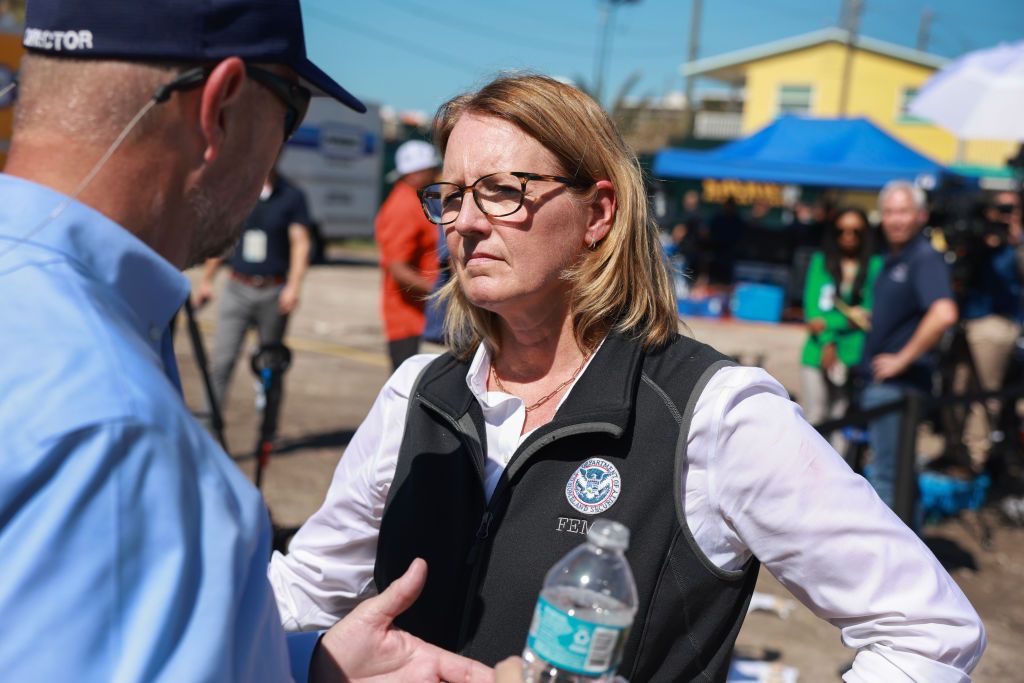
Restoring electricity is equally essential. Florida Power & Light restored power to over 70% of affected customers within two days, reflecting the value of investments in grid resilience made long before the storm. CenterPoint Energy deployed hundreds of mutual-aid workers to assist with restoration efforts. Their work helped restore the essential services that hospitals, businesses and families depend on.
Sometimes, making a difference means finding new ways to use the resources. In the lead up to Isaias, Uber offered free rides to and from state-approved evacuation shelters, helping residents reach safety. And, following the storm, Anheuser-Busch utilized its production and distribution facilities to deliver more than 50,000 cans of emergency drinking water to affected residents and first responders.
These companies contributed in a different way, but together they demonstrate something important: businesses do not have to be in emergency management to play a meaningful role in disaster response. The capabilities they use every day can become invaluable when their communities are in crisis.
To the companies and employees who stepped forward during Hurricane Isaias, thank you. Whether you restored power, kept families connected, provided transportation or delivered essential supplies, your efforts made a meaningful difference. You demonstrated what is possible when businesses see themselves not simply as service providers, but as partners in the communities they serve.
But we cannot wait for the next hurricane, wildfire or flood to build these partnerships. I encourage business leaders across the country to look beyond your own continuity plans and ask themselves: What unique capabilities does my company have that could help our community when disaster strikes? Build relationships with local emergency managers, engage nonprofit partners and make community resilience part of your preparedness planning.
During my time at FEMA, I saw the difference these partnerships can make. To those who answered the call during Isaias, thank you for showing what is possible. To those who have yet to take that step, now is the time. Because when the next disaster strikes, our communities will need all of us.
Deanne Criswell served as FEMA’s 12th administrator (2021-2925) and was the first woman to lead the administration in U.S. history. Before that, she ran the New York City Emergency Management Department through the COVID-19 response, led the emergency program for the City of Aurora, Colo., and served for more than two decades in the Colorado Air National Guard. She regularly advises governments and companies, including telecom companies, on emergency management and disaster preparedness.