Two FAA partners ramp up hiring, preparations for ATC overhaul
The Federal Aviation Administration is leaning on an array of partners to reach its air traffic modernization goals, including L3Harris for its copper wire conversion to fiber cables and Indra Group USA to supply surveillance systems and digital radio equipment.
The partners are working behind the scenes to increase capacity and build up a workforce to meet the Department of Transportation unit’s high-stakes goals and ambitious timeline for the initiative, which is set to wrap up by the third quarter of 2027.
“The main thing is the size and speed of what’s happening,” José Jacinto Monge, chairman and CEO of Indra Group USA, told FedScoop. “It does not compare with any other program around the world.”
Indra is tasked with upgrading legacy analog communications with next-generation digital radio equipment. The company is also one of two partners that the FAA picked to help replace aging ground-based radars with surveillance systems that enhance detection, tracking accuracy, reliability and long-term maintainability.
In a given year, the industry as a whole is delivering 50 or 60 radars, according to Monge. In comparison, the FAA wants more than 680 new radars by the end of next year.
“Managing the supply chain and doing so at a very high speed” requires a unique level of orchestration, according to Monge.
To get its manufacturing operations ready, the company opened a hub in Kansas last week, representing a $50 million investment. The expansion will bring 200-plus new jobs over the next several years, tripling Indra’s U.S. workforce.
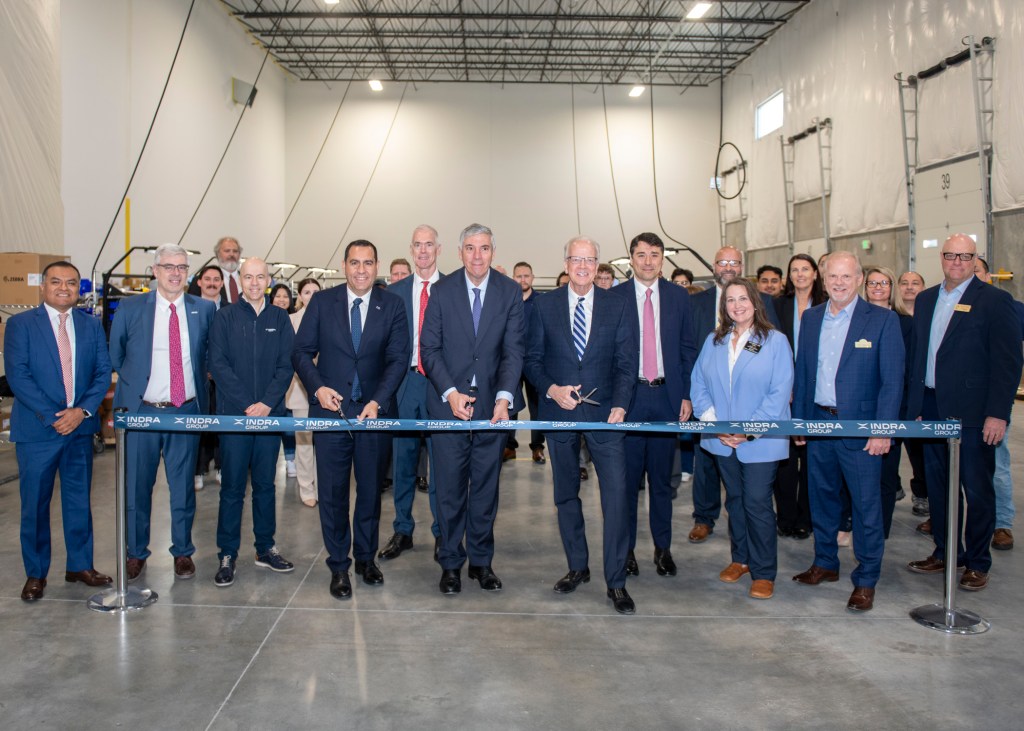
Indra plans to partner with multiple institutions and universities to help fill its workforce demand. The company is investing in training workers, too. Indra is already sending U.S. workers to Spain to receive upskilling. The most recent cohort that went comprised 30 workers, Monge said.
L3Harris, similarly, is beefing up its workforce amid high expectations from the FAA.
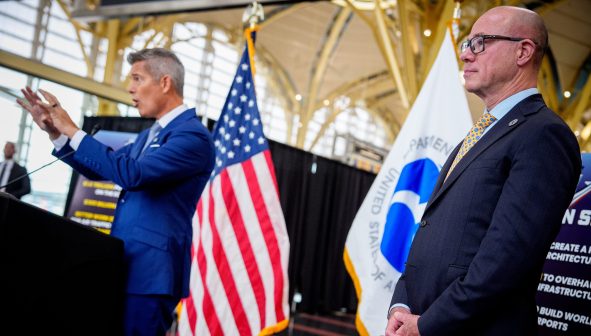
“We absolutely are doing a lot of hiring,” Mark Chamberlain, network planning engineer at L3Harris, told FedScoop on the sidelines of the Transportation Department’s Modern Skies Summit last week. “Most of these are engineering jobs [and] telecommunication engineers.”
The company has begun its work replacing copper wires, recently hitting the 50% mark.
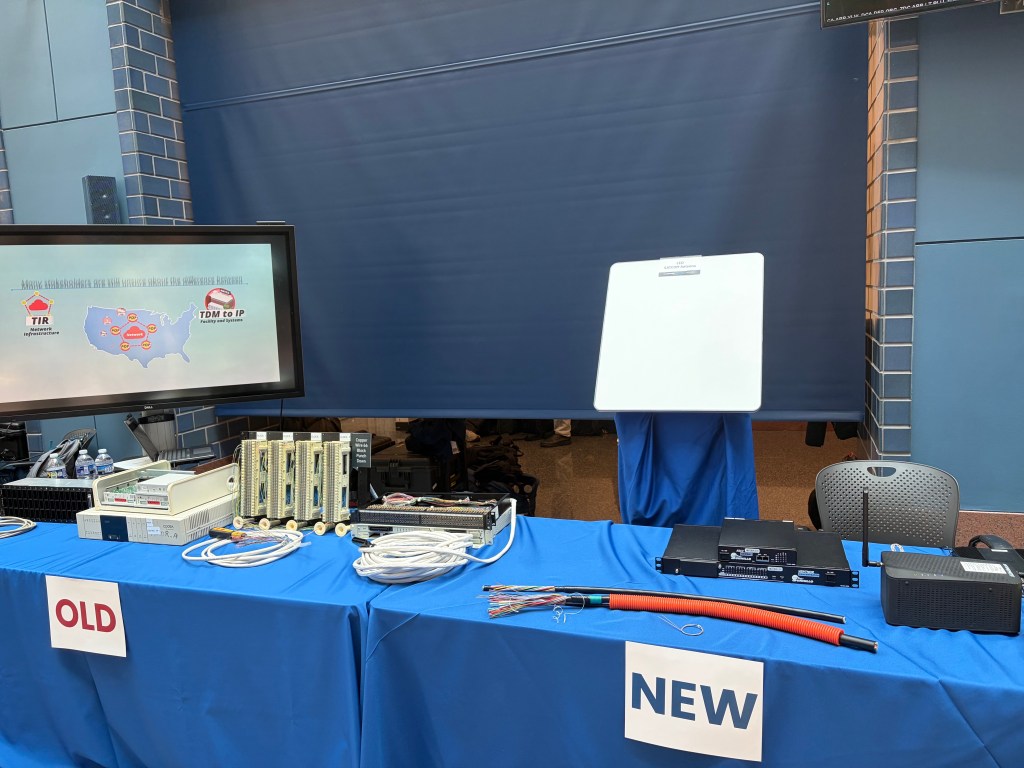
The biggest difference between copper wires and their fiber counterparts is increased scale, reliability and flexibility, according to Chamberlain. The Federal Communications Commission has said copper wires are “costly to maintain” and “increasingly difficult to repair and replace.” Copper wires are also less reliable in extreme weather compared to fiber cables.
“Modern infrastructure is what’s going to drive or enable the modern technologies,” Chamberlain said. “We still maintain the legacy technology on the network today — that will not stop. [But] we are building this infrastructure to support what we have now and the stuff in the future.”
Vendors were tight-lipped about decisions regarding what airports get modernized first, and the FAA did not respond directly to FedScoop’s question about its prioritization methodology.
As execution ramps up, communication between the FAA and its partners has been frequent.
“Sometimes it’s about three times a day that we check in,” Chamberlain said.
Monge echoed the sentiment around “constant” communication with the FAA.
“There’s a great sense of accountability to make sure that we are complying with program schedules with the pace of delivery required, making sure that we’re making good use of taxpayers’ dollars,” Monge said.