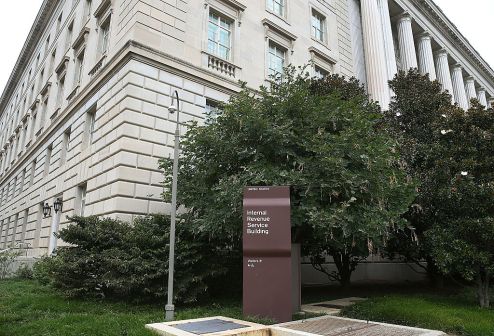
IRS inventories rose in 2026 following staff cuts, programming delay

Staffing shortages and delayed implementation of processing technology led to a rise in IRS inventory levels during the 2026 filling season, according to a new watchdog report.
“Interim results” from the Treasury Inspector General for Tax Administration’s examination revealed what appeared to be a largely drama-free filing season — a view that mirrored findings last month from the National Taxpayer Advocate. (The IRS “performed better than expected in most respects,” Erin M. Collins wrote in her mid-year report to Congress.)
TIGTA highlighted in its review an uptick in average refunds, a 99% rate of electronically filed returns, and progress on the IRS’s Zero Paper Initiative and amended tax return automation. The rise in inventories stood out as an area of potential concern — though not an unprecedented byproduct of filing season.
The watchdog’s review noted that inventories “generally” increase during filing seasons as the tax agency “balances efforts to answer phone calls” and reduce its backlogs. The cause for concern here, TIGTA explained, is that the rise from 1.9 million in inventories at the beginning of the 2026 season to 2.4 million as of the end of February came after massive staff reductions.
The watchdog reported last month that the IRS shrunk 30% over the first year of President Donald Trump’s second term, including a 42% reduction in IT staff. The new report referred back to a January memo from TIGTA that stated that cuts to IT functions that were charged with updating systems could impact the 2026 filing season.
Nevertheless, TIGTA said hiring shortfalls were not the only factor that contributed to the jump in inventories.
“Taxpayer Services management stated that the paper tax return inventory increased because the computer programming needed to process them was not completed until mid-February 2026,” the new report said.
The report zeroed in on the IRS’s overaged inventory — defined as tax return inventory not worked on in the IRS’s “desired number of days/weeks.” According to TIGTA, more than 72% of amended tax return inventories were overaged as of the end of February.
Conversely, the agency’s error resolution program had no overaged inventory — but that was an outlier. Five of seven key tax return processing programs saw increased inventories, according to the report.
TIGTA said it shared its findings with the IRS as “interim information only.” Agency management reviewed the report but declined to provide the watchdog with a formal response.