Tech-focused taxpayer services bill clears Senate Finance Committee
A tech-heavy piece of bipartisan legislation aimed at improving taxpayer services advanced out of the Senate Finance Committee on Thursday, teeing the bill up for consideration by the full chamber.
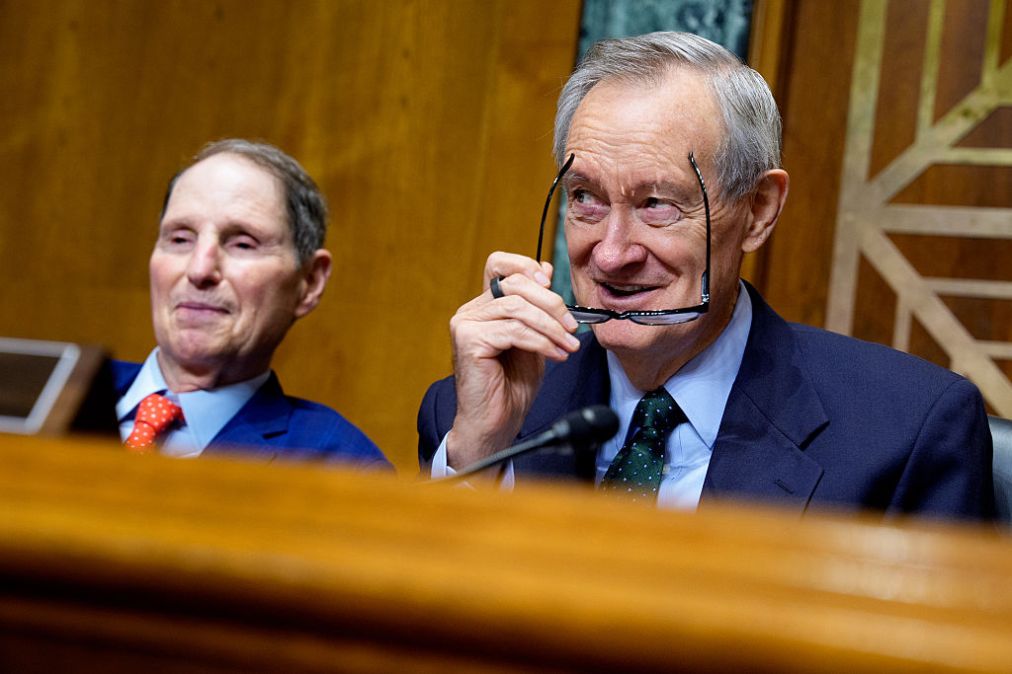
The Taxpayer Assistance and Service Act (S.3931) has more than 60 provisions and was an all-hands-on-deck endeavor from the Senate Finance Committee, led by Chairman Mike Crapo, R-Idaho, and ranking member Ron Wyden, D-Ore.
“This bipartisan bill modernizes and streamlines IRS operations, strengthens taxpayer rights, and delivers a more taxpayer-first system,” Crapo said. “It reflects years of bipartisan efforts to translate stories of casework frustrations and tangible fixes designed to make the IRS work more efficiently for the American people.”
The legislation is organized into 10 sections, including tax return preparers, the Office of the Taxpayer Advocate, judicial review, American citizens abroad, and whistleblowers, among other overarching categories.
The first section, titled “Tax Administration and Customer Service,” has an especially pointed focus on technology, with some measures — such as the digitization of tax returns and correspondence — mirroring prior congressional pushes to reform the IRS.
Crapo credited Sens. Todd Young, R-Ind., Raphael Warnock, D-Ga., Bill Cassidy, R-La., and Mark Warner, D-Va., with items in the bill to expand the tax agency’s scanning capabilities, bolster online accounts, and improve communications tools, including online dashboards and callback technology.
The real-time dashboard would show call volumes, backlogs and wait times. If the IRS falls behind on processing returns or letters, Warner said the agency will “have to say so publicly within a week, eliminating guessing games for taxpayers wondering why their refunds haven’t arrived.”
The modernization of online tools specifically includes improvements to “Where’s my refund?” which IRS CEO Frank Bisignano told lawmakers was the agency’s “No. 1-used function” during the most recent filing season.
“The updates will help ensure that refunds get out the door on time,” Wyden said. “They’re going to improve customer service. They’re going to make it easier for taxpayers to get help during filing season.”
There were some Democratic tax-related priorities that didn’t make the cut during Thursday’s executive session. Wyden pushed for an amendment to block the IRS and the Treasury Department from pursuing tax audit immunity deals like the one President Donald Trump struck for himself. Republicans voted against the amendment, 14-13.
“It’s being resolved in another situation in another committee,” Crapo said, “and I would ask my colleagues to reject this amendment because it would turn this bill into a bill that has a much dimmer future for becoming law by making it a partisan bill rather than a bipartisan bill.”
Sen. Elizabeth Warren, D-Mass., meanwhile, stumped for an amendment that would have the IRS resurrect Direct File and make it a permanent program. The free electronic filing tool was killed by the Trump administration after two successful — but limited — pilot seasons.
“After Intuit donated a million dollars to Trump’s inauguration fund, Trump canceled the program,” said Warren, who ultimately did not ask for a vote on her amendment. “It is corruption, plain and simple. And my amendment would reverse that shameful decision and make Direct File law at the land.”
Warren was the lone holdout for the overall bill, which passed the committee by a 26-1 margin.