Senators seek Labor-led database on AI workforce impacts
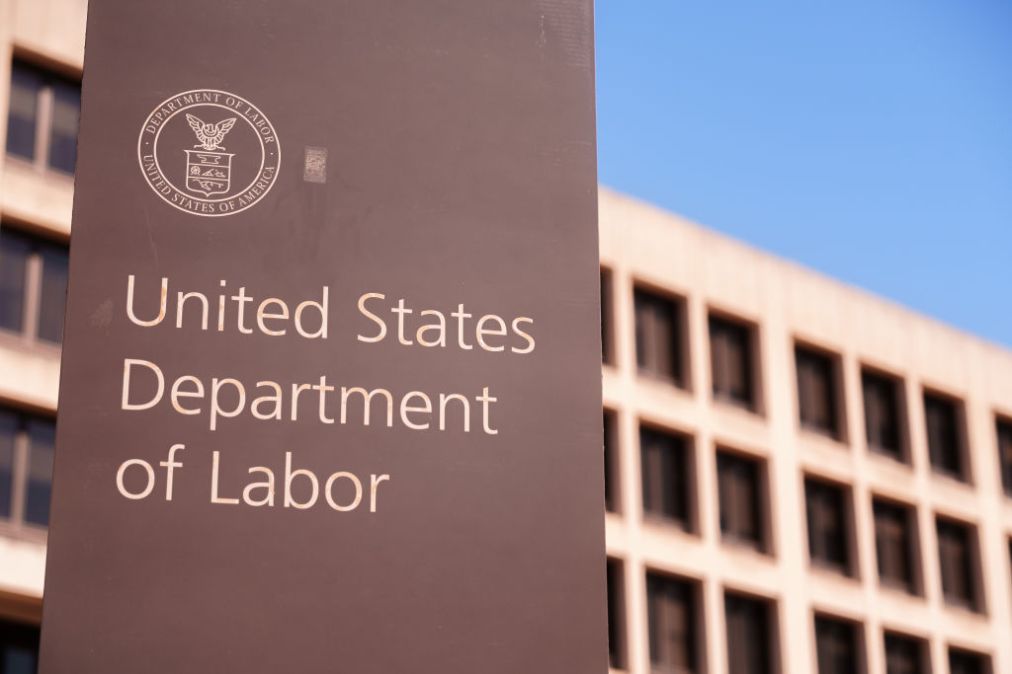
The Department of Labor would lead a federal push to collect data on AI’s effect on the U.S. workforce under a bipartisan Senate bill introduced Thursday.
The Workforce Transparency Act (S.4476) from Sens. Mark Warner, D-Va., and Ted Budd, R-N.C., continues a trend from lawmakers and agency leaders aiming to gather more information on artificial intelligence and make it readily available to researchers, businesses and governments.
“As AI is being developed, deployed, and integrated across industries, we’re already seeing it have a measurable effect on the U.S. workforce, and we know that its impact is only going to grow,” Warner said in a press release. “It’s critical that everyone has access to accurate and timely information that can prepare them for a changing labor market.”
The legislation calls on the DOL, the Bureau of Labor Statistics and the Census Bureau to create a process to assemble “aggregated workforce transparency data” within 180 days of the bill’s enactment. That public- and private-sector data would then be made available to consumers or businesses in a Labor Department-managed database.
“As we adopt AI technologies that will enhance Americans’ capabilities in the workplace, policymakers must ensure that we are equipped with real-time data that informs us on how novel technologies are changing employee behavior,” Budd said.
The bill takes steps to ensure data privacy is prioritized. For example, personally identifiable information and sensitive business data cannot be collected, and participating entities must “de-identify, anonymize, and aggregate” data to protect privacy, per the bill text.
If a potential data provider elects not to participate in the program, agencies are instructed in the bill to refrain from drawing an “adverse inference” from that decision. At the same time, the Labor Department can seek injunctive relief if it determines that a participating entity “knowingly and willfully misrepresents” the data it submits.
Anthropic, the Business Software Alliance, Google, Microsoft and OpenAI are among the supporters of the bill, per the lawmakers’ press release.
“By creating a channel for companies to report how AI is reshaping work, Americans will be able to make informed decisions about their futures,” Brendan Steinhauser, CEO of the Alliance for Secure AI, said in the press release. “Transparency is key, but we cannot stop there. Lawmakers must stay on top of this issue and think creatively about how to ensure the American Dream remains within reach for everyone in the AI era.”
Warner has introduced several bills over the past year around AI workforce issues. The DOL, meanwhile, is closing in on the launch of its AI workforce hub, while also stepping up its game on broader data collection efforts.