Subpar Secret Service drone defense flagged in Trump assassination attempt report
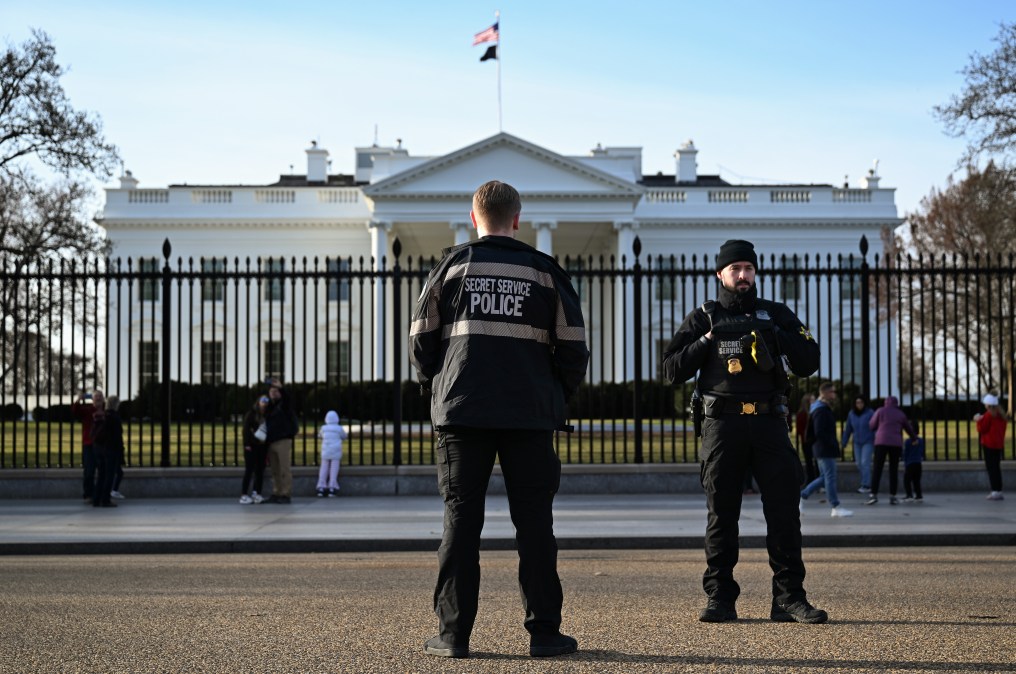
Lackluster counter-drone skills and faulty processes were among the Secret Service failures that occurred during the July 13, 2024 assassination attempt on then-former President Donald Trump, according to a report published last week by the Department of Homeland Security’s inspector general office.
The watchdog found that the would-be assassin, Thomas Crooks, completed a more than eight-minute drone flight undetected and undisturbed as Secret Service personnel were busy attempting to resolve a technical issue that had left the counter-unmanned aircraft system inoperable.
“The Secret Service never detected Crooks’ drone flight, its location, or his location while he flew his drone, therefore missing an opportunity to detect and prevent the assassination attempt,” the OIG said in the report.
Part of the problem was that the Secret Service had a lone, inexperienced operator manning its onsite counter-drone system. The operator did not test the system prior to the morning of the event — despite agency policy directing operators to test systems the day before an event — and could not repair the system without assistance when it malfunctioned.
The inexperienced operator reached out to the counter-UAS maker when a program leader could not fix the issue with directions over the phone. The chain of events spanned multiple hours and was eventually resolved by replacing a broken ethernet cable.
“The operator contacted the vendor several times for technical support, but support was delayed because the vendor has limited staff during the weekend,” per the report, which included a recommendation for the Secret Service to improve coordination with counter-drone vendors.
The inexperienced operator was part of the Secret Service’s Donald Trump Protective Division, which does not provide a counter-drone training course like that of other Secret Service teams.
“The supervisor overseeing DTD’s counter drone operations told us that instead, operators learn by shadowing experienced operators assigned to events,” the OIG said in its report. “However, the July 13, 2024 event’s operator said he never shadowed anyone before the event.”
The watchdog found that instead, a more experienced operator provided an informal training session lasting 20 minutes that went over setting up the counter-drone system, but it did not cover troubleshooting malfunctions.
Prior to the event, the Secret Service’s DTD team requested an additional operator from a drone-focused division of the DHS unit twice, but that request was denied and the follow-up did not receive a response.
The limited drone training and lack of preparedness comes amid ever-growing UAS threats and a sharpened focus on beefing up related skills more broadly at DHS.
Since the start of the year, the agency has steadily built out its fleet and created an office dedicated to investing in drone and counter-drone technologies. DHS is also looking to expand partnerships between its components and across sister agencies, like the FBI, to improve counter-drone training access.
The agency has had a leading role in counter-UAS protections at FIFA World Cup games across the country, seizing 600-plus drones from restricted airspace alongside the FBI and local partners.
Amid the focus, the Secret Service has shown signs of improvement since the 2024 campaign trail assassination attempt.
The OIG considered its recommendation resolved and closed for implementing a process for escalating counter-drone operator requests. The Secret Service also plans to add in references to repairing counter-drone systems as part of its policy and training standards by Sept. 30.
Still, the agency has room to improve, per DHS Secretary Markwayne Mullin.
“The biggest concern I have is, honestly, with drone defense,” Mullin said during a fiscal 2027 budget hearing last month. “It is one of the areas that we are struggling with every single day.”