GSA acquisition product pricing data flawed, may cause agencies to overpay, watchdog says
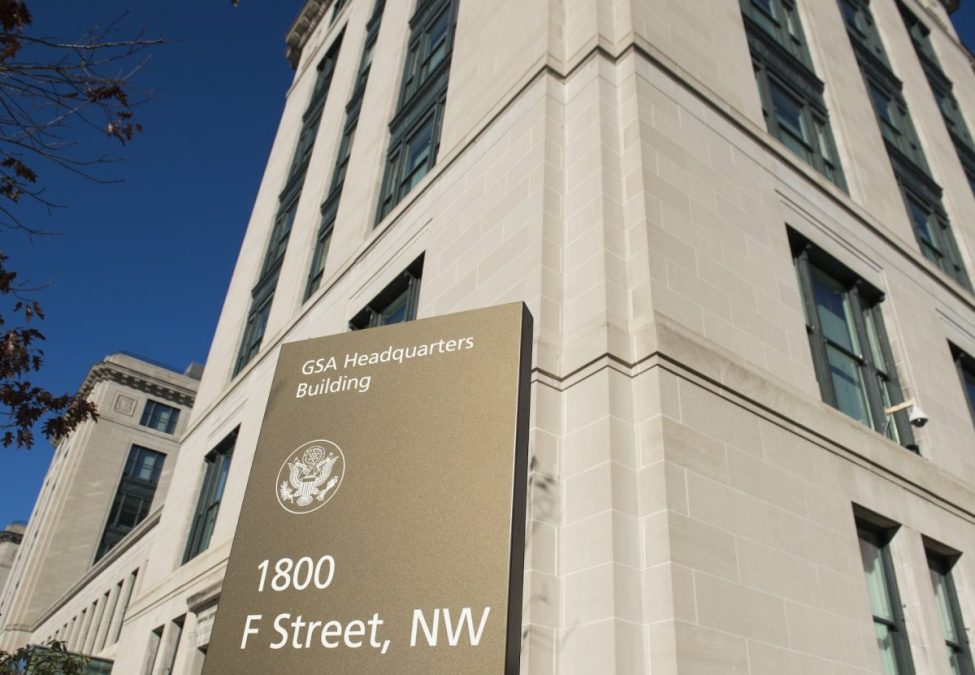
With varying names and part number discrepancies, the Federal Acquisition Service’s GSA Advantage! product catalog and Transactional Data Reporting system may be causing the government to waste money, a watchdog said Thursday.
In an audit report covering February 2024 and June 2024, the General Services Administration Office of the Inspector General said the flaws in product pricing data can impair accurate market research.
“Absent reliable manufacturer name and part number data, FAS’s pricing tools cannot identify identical products and provide useful pricing information for contracting officers’ use in negotiations, potentially resulting in higher awarded pricing,” the report said. “As a result, federal customer agencies may overpay for products offered on [multiple award schedule] contracts and waste taxpayer dollars.”
GSA OIG said $11.2 billion in products were purchased through the MAS program in fiscal 2024, which drives high-volume discount product pricing for the government through the TDR system and the GSA Advantage! catalog.
The OIG said unstandardized data caused comparative pricing tools like the Price Point Plus Portal and the Compliance & Pricing Reporting Portal to fail, partially because “FAS allows MAS contractors to modify part numbers to differentiate configurations.”
Though there are tools to report inaccuracies, they are voluntary and thus, “their effectiveness is limited,” the report said.
This is not the first time TDR is in hot water. The OIG said since the TDR pilot began in 2016, it has issued four reports and an alert memorandum about “TDR data quality and FAS contracting personnel’s ability and willingness to use the data.”
“As GSA continues to expand TDR, and government-wide domestic procurement of common goods is consolidated to GSA, it is imperative that FAS contracting personnel have accurate and complete data, which can only occur if contractors are offering products and reporting sales with accurate manufacturer part numbers,” the report said.
In response to the report, FAS Acting Commissioner Laura Stanton partially concurred with five of the six recommendations and concurred with one. She said the service has made and will continue to make “substantial progress” in improving data standardization and compliance.
Stanton also said FAS can identify similar items and validate accurate pricing despite varying product representations through its standardization capabilities, using a “broader, more complex methodology that incorporates a wider scope of government contract pricing, compared to the manual, point-in-time analysis done by the OIG in the report.”
Also, some of these highly customized items have an “extraordinarily large number” of possible variants, and “it is not feasible for any person to manually review each variant to conduct price analysis,” she said.
Stanton said the FAS recently upgraded its pricing algorithm, deemed FAS Pricing 2.0, which “will result in further mid-point savings of approximately $643 million per year.”
“When viewed against the full scope and demonstrated performance of the program, the report does not adequately quantify or contextualize the actual impact of the identified representational inconsistencies,” she said.