Treasury nominee noncommittal on responsibility for rogue AI agents in accounts
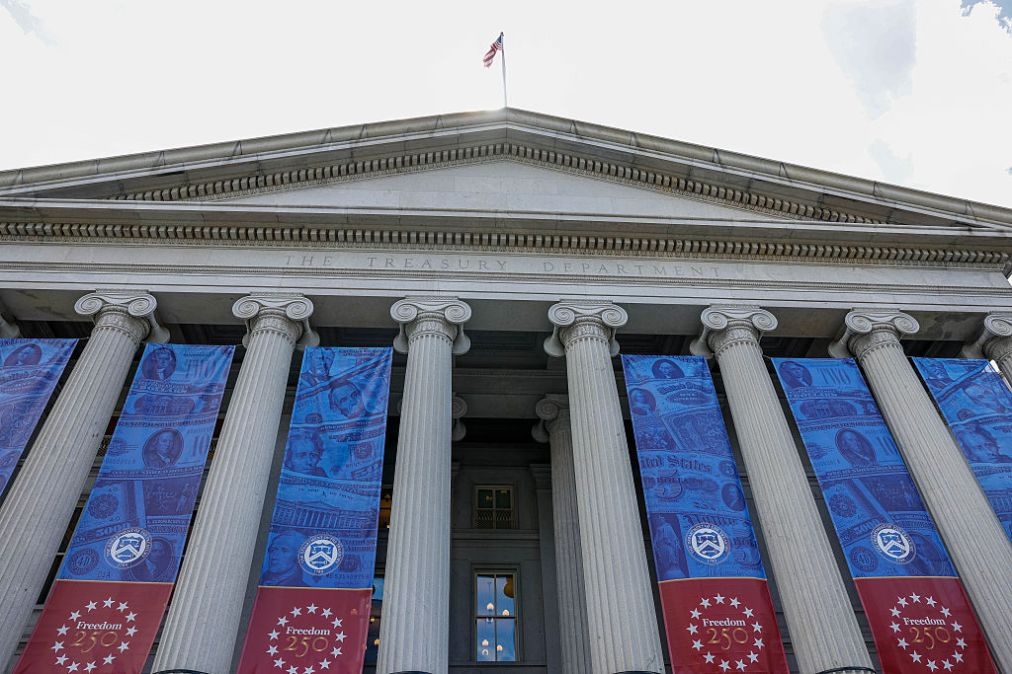
With reports of third-party AI agents attempting to take unauthorized actions in bank accounts, some U.S. financial institutions are putting the liability onus on customers for opening the door. A Treasury Department nominee was guarded Thursday about what accountability should look like in those cases.
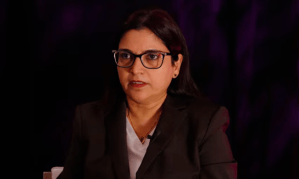
Appearing before the Senate Banking, Housing and Urban Affairs Committee, Rebekah Jurata was asked by Sen. Ruben Gallego, D-Ariz., who should be held responsible if a “rogue AI agent” were to make an unauthorized transfer in a consumer’s bank account.
Jurata, a senior advisor at the Treasury who’s been nominated for an assistant secretary role at the department, said the question was “incredibly timely” but declined to take a definitive stance on the matter, citing “further development of technology” and “a lot of unanswered questions.”
“What you want to balance is the ability of everyday consumers to take advantage of these new products and tools to see if they can have enhanced return on their investment and whatnot,” said Jurata, previously general counsel at the American Investment Council, a private equity trade group. “But also we want to maintain the resiliency and the safety and soundness of the banking system.”
Gallego pressed ahead with his questioning, asking Jurata what should happen if AI agents empowered to search for risk suddenly create a run on banks — a scenario he said “could really cripple our economy.”
Jurata, a deputy assistant secretary at Treasury during the first Trump administration who also spent several years as an attorney with the Securities and Exchange Commission, said the department is “more optimistic as it relates to opportunities that super intelligence is providing to the banking system,” pointing to cybersecurity enhancements specifically. Super intelligence is the Trump administration’s preferred term for AI.
Gallego tried once more to get Jurata to speak to any guardrails Treasury believes should be placed on AI “to actually ensure stability” for the financial sector. The nominee said that if confirmed, she’d commit to “coordination” with other bank regulators, working within the “existing legal framework,” on how financial agencies “can both embrace the use of this new technology while also maintaining the integrity of the system.”
As federal regulators consider the issue further, financial institutions seem to be lining up against third-party AI account access. In a blog post published Friday, the Bank Policy Institute said risk management for agentic AI is not “sufficiently developed,” so agents shouldn’t yet be granted access to financial accounts.
“Banks are entrusted with keeping the funds and assets deposited by customers secure,” the post said. “However, a successful prompt injection attack on an agent accessing a bank account could result in the account being cleaned out by the fraudster. Agents’ LLM models are trained to resist prompt injection attacks. But how good are they? Not nearly good enough.”
During a House Financial Services Committee hearing in September, Treasury Secretary Scott Bessent came out strongly against liability exemptions for AI labs, telling lawmakers that the “best way to guarantee safety” is for AI creators to be held “liable for what they build and generate.”
Jurata did weigh in briefly during Thursday’s hearings on two other tech-related topics. The Treasury nominee told Sen. Bill Hagerty, R-Tenn., that the agency is playing a “significant coordinating role” with federal regulators, law enforcement and the private sector when it comes to fighting financial scams.
And when asked by Sen. Bernie Moreno, R-Ohio, about his and Gallego’s SCAM Act to crack down on fraudulent or predatory advertisements on social media, she said “a holistic solution” needs to be discussed to address the problem.
“I definitely believe that we need to evaluate how we can prevent the increase in scammers and people being taken advantage of,” she said. “Absolutely.”