Energy Department eyes AI-enabled self-service features for workforce
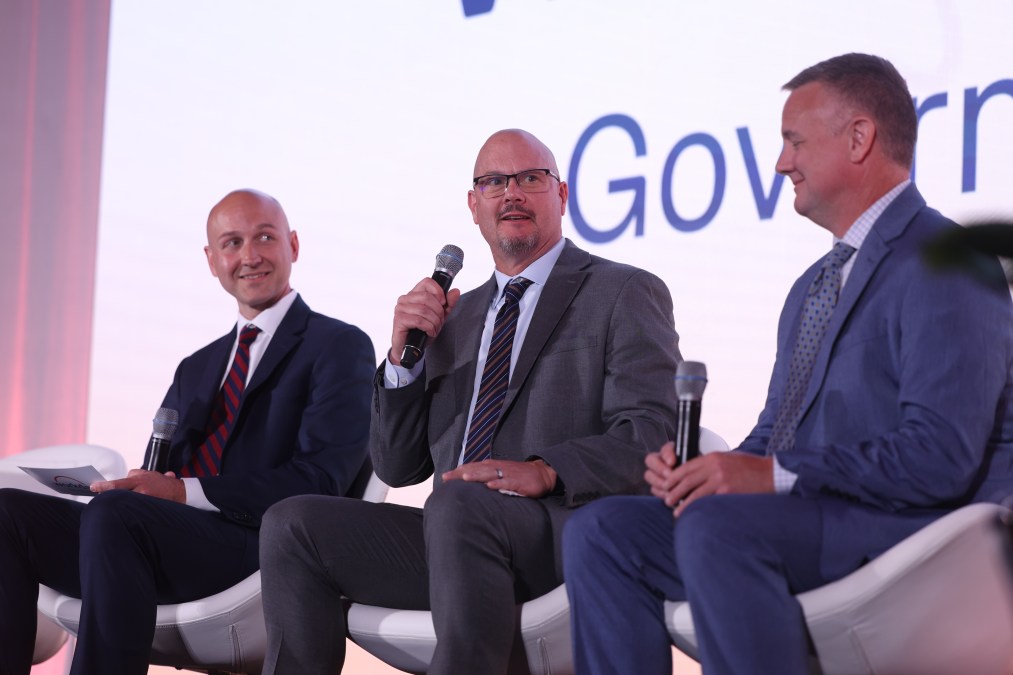
The Department of Energy is working to bring more AI into its talent management strategy, per two officials with leadership positions in the agency.
DOE has set its sights on AI-enabled self-service features, helping employees find what they are looking for faster. Using AI to align learning opportunities with the workers that need them is another priority. The agency plans to explore these use cases over the next three to six months.
The interest in artificial intelligence additions follows what the agency is characterizing as a successful HR modernization project that consolidated talent management platforms and access to related data.
“The thing I’m most excited about is having all that within one centralized system,” John Walsh, DOE’s chief learning officer and director of the Office of Workforce Technology and Development, said during a FedScoop-produced event Tuesday.
DOE tapped Workday Government for the HR modernization initiative. The talent and human capital management platform went live about six months ago. Since then, the Energy Department has garnered 14,000 unique visitors across its custom dashboards and 5,000 unique instances of workers pulling personnel reports, according to Walsh.
“We’ve had some challenges, of course, with change management and getting people used to working and doing things in a different platform than what they’ve been used to,” Walsh said. “It’s only going to get better, it’s only going to get more efficient and we’re only going to see steady increases.”
The HR modernization comes amid broader efforts to centralize federal agencies’ talent platforms. The White House and Office of Personnel Management announced its Federal HR 2.0 project in December, laying out a two-year transition plan for agencies to move to a single core HCM platform.
“Agencies are expected to pause their own Core HCM procurement, development, and related modernization projects,” OPM said in a memo to agency heads. The federal HR unit outlined exceptions for critical or time-sensitive needs to modernize.
OPM had previously awarded Workday a sole-source contract for HR services in 2025, though it was canceled roughly a week later. While it is still unclear why the contract was canceled, reports suggest Workday is one of the remaining vendors in the race for the contract.
The stakes are high to make this ambitious project successful, as a core HCM system houses all employee information — from salary and benefits information to performance and training data. Currently, there are around 120 of these systems deployed across agencies, many of which are costly, feature lackluster data capabilities and are closed systems.
DOE’s legacy HR system fell into that category.
One of the driving forces behind DOE’s modernization project was that the legacy talent system was not connected to any of the agency’s other systems, which meant it couldn’t access core personnel data, according to Todd Brinson, deputy CIO of enterprise operations and shared services at the DOE. Costs to maintain legacy systems were also steep.
“It’s safe to stay on legacy, except for when it’s not,” he added.
Throughout the project, there was a focus on data quality and hygiene, according to Brinson.
“You really have to understand what your data is doing,” he said. “You absolutely have to get it right.”